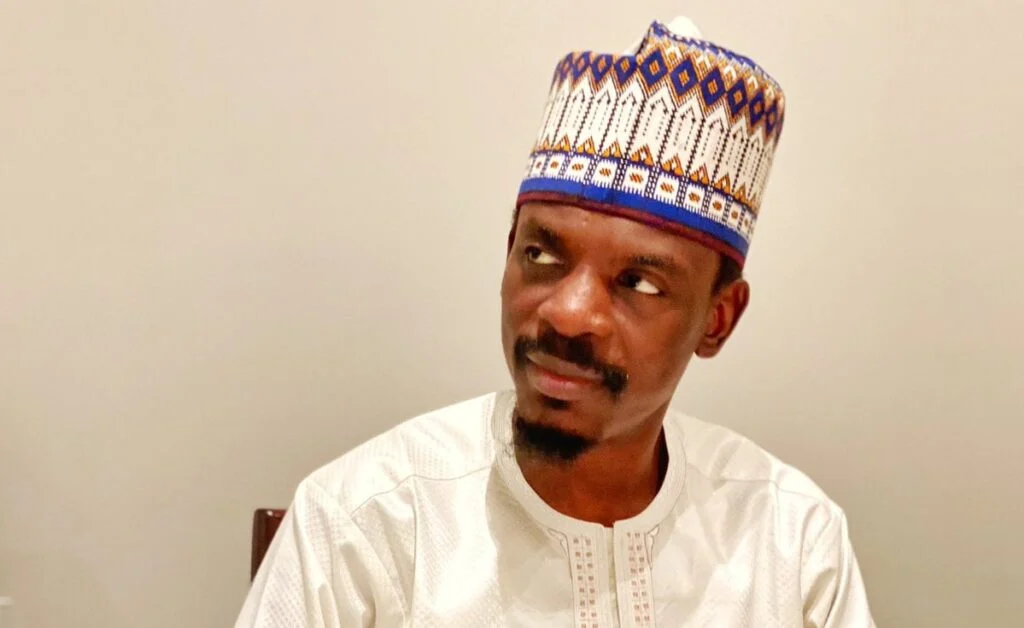
Bashir Ahmad, former digital communications aide to late President Muhammadu Buhari, has said many agricultural intervention programmes under the past administration were severely misused by beneficiaries.
Ahmad made the revelation in a post on X while responding to a comment by Yakubu Wudil, who criticised the federal government’s decision to introduce import waivers as a solution to rising food prices.
Wudil argued that instead of waivers, the government should subsidise fertilisers, fuel, and modern farm equipment for farmers.
In response, Ahmad said such interventions were provided during Buhari’s tenure through initiatives like the Anchor Borrowers’ Programme (ABP), which was launched in 2015 to link processing companies with smallholder farmers of key commodities. By 2023, the Central Bank of Nigeria (CBN) said it had disbursed ₦1.09 trillion under the programme.
“Billions were allocated to farmers to boost food production, reduce poverty, and improve security,” Ahmad said. “Some received as much as ₦6 billion but diverted the funds into sectors like oil and gas, bureau de change, or luxury ventures.”
He also accused some genuine farmers of hoarding their harvests to exploit price hikes, undermining the goal of food affordability for Nigerians.
The International Monetary Fund (IMF) previously reported that only 24% of ABP loans had been repaid, though the CBN countered the figure, claiming a 52% repayment rate.
Ahmad also defended the Buhari-era border closure policy, insisting it was intended to boost local food production and reduce imports, especially rice. He said despite early gains, the efforts were sabotaged by beneficiaries who formed cartels, manipulated supply, and caused artificial scarcity.
He revealed that some of these individuals are now under investigation by the Economic and Financial Crimes Commission (EFCC).
On the current administration’s import waiver policy, Ahmad said while it is not ideal, it is necessary under present economic conditions due to what he described as a “betrayal of trust” by local players.
“It shouldn’t be the first resort, but the people need immediate relief.
Long-term, we still need to strengthen and strictly monitor agricultural interventions,” he added.

- INTERPOL identifies 126 terrorist suspects with AI - September 18, 2026
- FG, CBN sign pact on fiscal, monetary policy coordination - September 18, 2026
- Reps probe exclusion of 5,000 NOUN law graduates - September 18, 2026