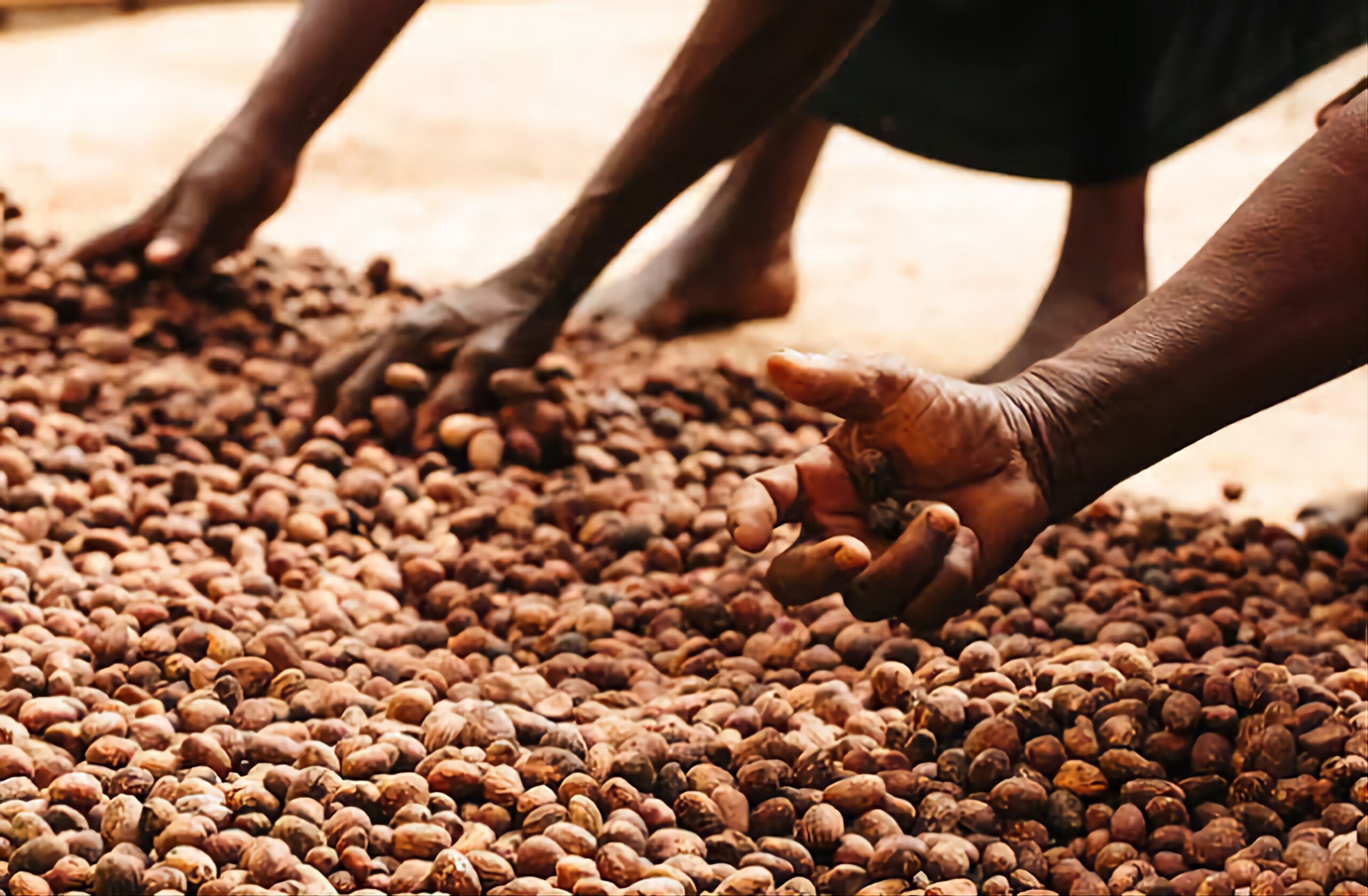
The Centre for the Promotion of Private Enterprise (CPPE) has raised alarm over the Federal Government’s sudden suspension of raw shea nut exports, warning that the measure is undermining farmers’ incomes, exporters’ contracts, and investor confidence.
In a policy brief released on Sunday, CPPE Chief Executive Muda Yusuf said the ban, announced by President Bola Tinubu on August 26, was imposed without stakeholder consultation and has already triggered sharp disruptions in the value chain.
Since the policy took effect, shea nut prices have plunged by over 30 per cent, leaving farmers and aggregators with heavy losses. Exporters now face potential defaults on international contracts and looming loan repayments, while thousands of jobs in cultivation, logistics, and trade are at risk.
Although the government argues that the suspension—expected to generate about $300 million annually by driving local value addition—will boost industrial growth, CPPE insists that the approach is counterproductive.
“Sudden bans on exports with immediate effect introduce uncertainty, heighten risk, and undermine investor confidence,” Yusuf said. “This policy effectively penalises primary producers to benefit processors, creating a zero-sum scenario rather than a shared-growth model.”
The think tank warned that such abrupt policy shifts could reverse progress in non-oil exports, which exceeded $3 billion in the first quarter of 2025.
CPPE recommended that government should allow exporters to honour existing contracts to protect Nigeria’s credibility.
“Set clear timelines for phasing out raw exports rather than enforcing sudden bans.
“Address structural challenges—including power, logistics, infrastructure, and financing—that weaken local processors’ competitiveness.
“Safeguard farmers’ incomes by ensuring fair market prices.”
The organisation also called for regular consultations with farmers, processors, exporters, and financiers to promote transparency and build investor trust.

- Banks shut 476 branches, cash centres in three years — CBN - September 14, 2026
- Falconets storm U-20 World Cup knockouts with 10-1 win - September 14, 2026
- 2027: My projects will secure re-election — Alia - September 14, 2026