

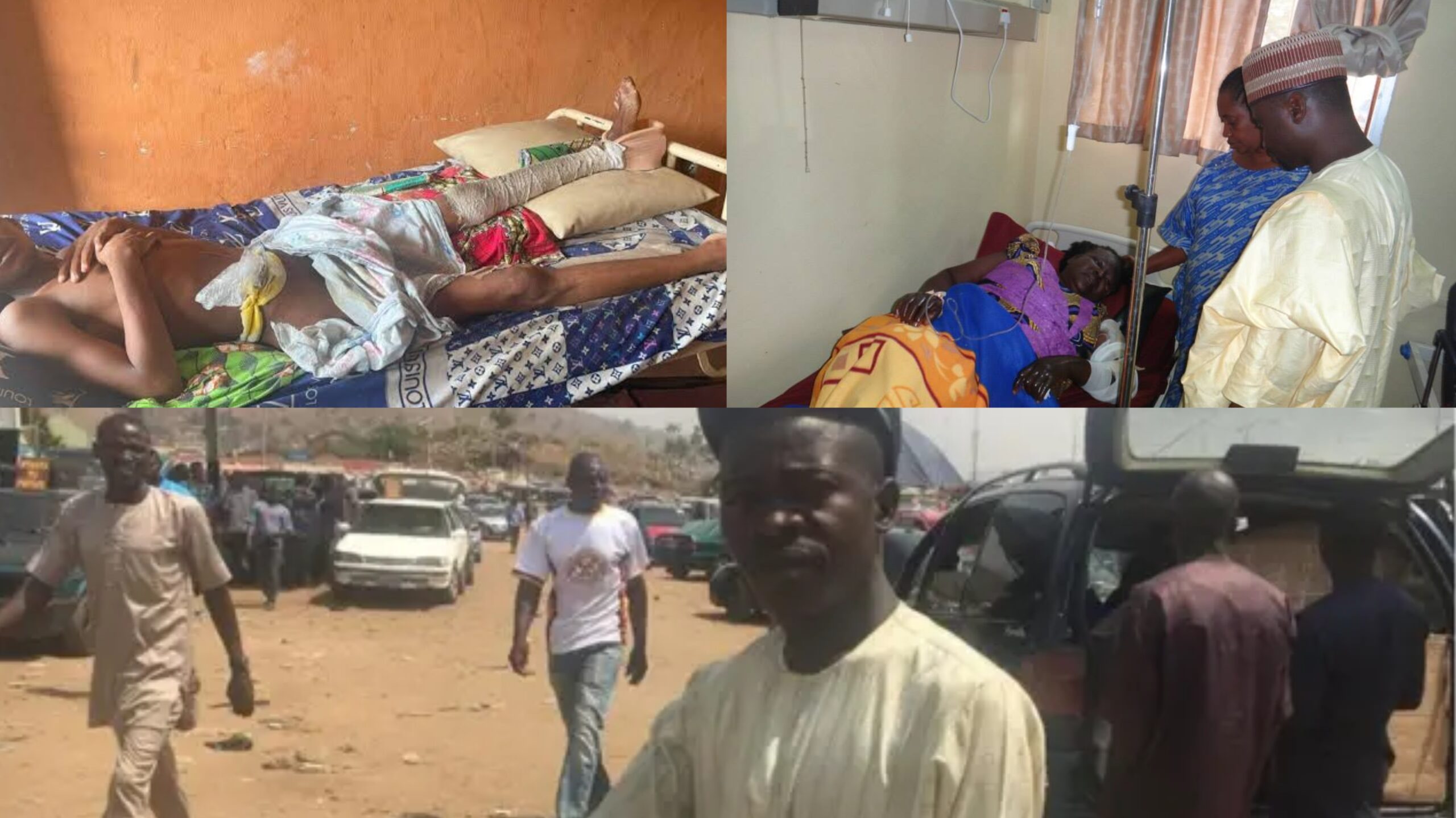
More than a decade after the devastating twin bombings in Nyanya, Abuja, which killed over 75 people and injured hundreds, victims and their families are still waiting for justice.
The case, which began in 2014, has dragged on for 11 years with repeated adjournments, prosecutorial lapses, and systemic inefficiencies. Critics say the prolonged delay reflects the chronic weakness of Nigeria’s judicial system in handling terrorism-related cases.
Although several suspects were arrested and arraigned, including the alleged mastermind, Aminu Ogwuche, no conclusion has been reached. Ogwuche and six others face charges of terrorism, conspiracy, and supporting Boko Haram. Yet, the trial has been adjourned nearly 100 times.
Legal experts describe the delay as both tragic and avoidable. Criminal law specialist Yemisi Lawal said the Nyanya case is a painful reminder of how the justice system consistently fails victims. She pointed out that frequent adjournments, ill-prepared prosecution teams, and the transfer of judges—forcing cases to restart from scratch—remain major obstacles.
Another lawyer, Favour Okonkwo, called for the establishment of special terrorism courts with dedicated judges and strict timelines. “If Nigeria can create anti-corruption courts, it can also establish terrorism courts. These cases are too sensitive to be treated like ordinary criminal trials,” she said.
The Administration of Criminal Justice Act (ACJA), enacted in 2015 to ensure speedy trials, has done little to change the situation due to poor implementation. Legal analyst Kosun Bako argued that inadequate funding, lack of forensic support, and weak witness protection mechanisms have crippled prosecution efforts. He recommended a dedicated fund for terrorism trials and stronger political will to push cases forward.
For families of the victims, the delays deepen their grief. Stella Ibegbunam, who lost her sister in the attack, said every adjournment reopens old wounds. “We want justice not in heaven but here on earth. Delayed justice is denied justice, and in terrorism cases, it undermines national security,” she said.
Even the defendants have expressed frustration. Ogwuche, who was repatriated from Sudan in 2014 to face charges, recently protested that the case had suffered endless delays and asked the court to strike it out for lack of diligent prosecution. One co-defendant reportedly considered changing his plea to “guilty” just to end his prolonged detention.
In September 2024, Attorney General of the Federation Lateef Fagbemi announced plans to introduce National Minimum Standards for the implementation of the ACJA, aimed at harmonizing trial procedures across the country. But with challenges such as underfunding, poor coordination, and limited training, progress remains slow.
As the trial resumes on September 23 before Justice Peter Lifu of the Federal High Court, Abuja, the unresolved Nyanya case stands as a stark reminder of Nigeria’s urgent need for judicial reforms to guarantee timely and fair trials in terrorism cases.

- FG suspends Niger NSCDC boss over 37 miners’ deaths - September 18, 2026
- FG rules out immediate electricity tariff hike, prioritises metering - September 18, 2026
- Nigeria’s $400bn net-zero ambition faces financing hurdle - September 18, 2026