Energy experts have warned that Nigeria risks being left behind in the ongoing global energy transition if it fails to quickly and strategically monetise its vast oil and gas reserves.
Speaking at the 18th NAEE/IAEE Annual International Conference in Abuja, former President of the Nigerian Economic Society, Prof. Adeola Adenikinju, said the country must urgently leverage its hydrocarbon resources before global demand for fossil fuels declines.
“Nigeria ranks among the top oil and gas producers globally, yet over 87 million citizens still lack access to electricity,” he said in his keynote address. “We export crude oil but import refined products. That is an unacceptable paradox.”
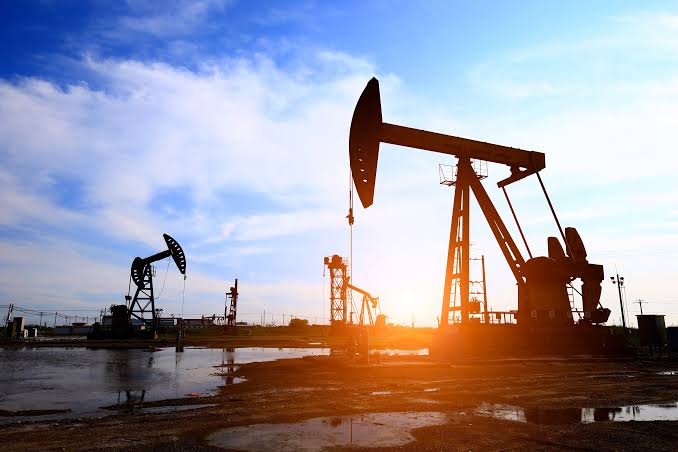
He warned that as the world transitions to a low-carbon economy, Nigeria’s hydrocarbons could become stranded assets if not exploited now. Adenikinju called for an aggressive push to monetise the nation’s oil and gas while scaling up investments in renewable energy sources such as solar, hydro, and wind power.
The economist highlighted that global energy markets are increasingly shaped by wars, artificial intelligence, and shifting geopolitical alliances, all of which are driving volatility and uncertainty in oil prices and investment flows.
He also cited the Ukraine war and the “weaponisation of energy” as key disruptions that have reshaped global supply chains and revived debates on energy security.
Adenikinju urged African countries to move beyond exporting raw materials for clean energy technologies and instead develop local value chains and attract green investment. “Africa must not limit itself to supplying lithium or cobalt; it must build capacity and participate in technology development,” he said.
In his remarks, President of the International Association for Energy Economics (IAEE), Prof. Edmund Lewis, commended Nigeria for its leadership in advancing energy research and policy dialogue in Africa.
Representing the global body, Prof. Wunmi Iledare said Africa’s energy future must be guided by “pragmatic prosperity,” balancing access, sustainability, and growth. “Africa’s path cannot mirror Europe’s past; it must evolve through inclusiveness, evidence, and development-focused policies,” he said.
Similarly, Secretary-General of the African Petroleum Producers Association (APPO), Omar Faruk, said the International Energy Agency had finally acknowledged that fossil fuels cannot be easily phased out.
He argued that this vindicates Africa’s long-standing position that energy transition must be gradual and aligned with the continent’s economic realities.
“Africa must master its existing systems before leaping into new ones,” Faruk said. “If we fail to produce the components we need—whether for renewables or conventional energy—we will remain trapped in dependency.”
The three-day conference, themed “Emerging Geopolitics of Energy: Navigating Global Shifts and Impact on Emerging Countries,” brought together policymakers, academics, and industry leaders to discuss how developing economies can thrive amid global energy transformations.

- Uba Sani’s education reforms target quality, wider access — Dep gov - September 22, 2026
- Troops rescue six FUDMA students, driver from kidnappers in Katsina - September 22, 2026
- Police arrest man for impersonating military officer - September 22, 2026