The Federal Government has released ₦32.9 billion, representing the third tranche of disbursements for 2025, to all states and primary healthcare centres (PHCs) under the Basic Health Care Provision Fund (BHCPF).
The Minister of Health and Social Welfare, Professor Muhammad Ali Pate, announced this on Wednesday during the Third Quarter Ministerial Oversight Committee (MOC) Meeting in Abuja.
He said the funds, approved by the committee and guided by the newly launched BHCPF 2.0, are aimed at improving healthcare quality, supporting facility operations, paying stipends to health workers, and expanding access to care nationwide.
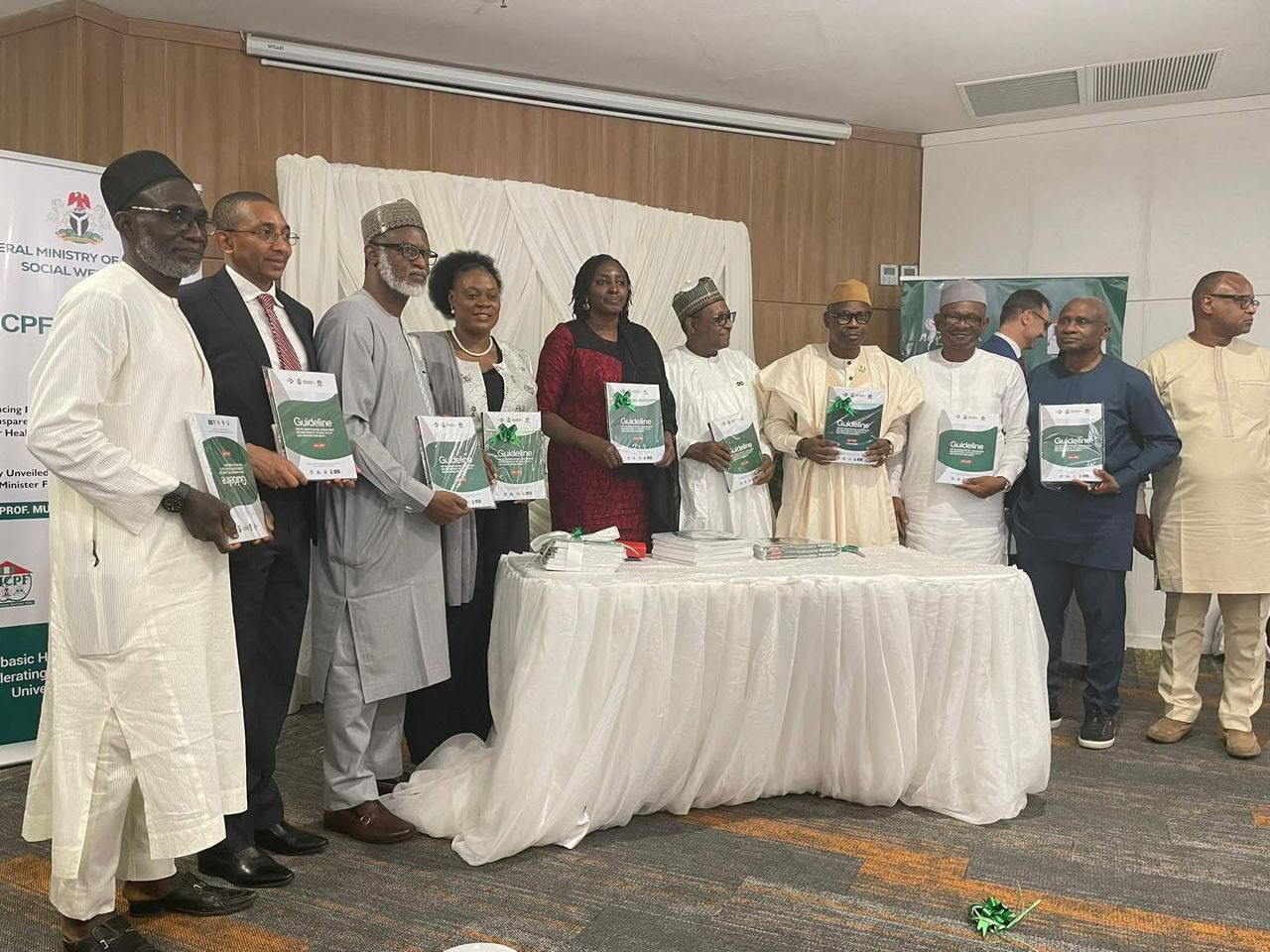
Pate described the new guideline as a major milestone in President Bola Tinubu’s health reform agenda, emphasizing that the ministry has activated a Joint Task Force working with the ICPC to ensure transparency and accountability in fund utilization at the community level.
He commended state governors, commissioners for health, and development partners for their continued collaboration in strengthening primary healthcare delivery.
Highlighting recent gains, Pate revealed that over 21 million Nigerians are now covered by health insurance, while more than 11,000 pregnant women have received emergency treatment and 15,000 accessed obstetric care.
Additionally, 500,000 pregnant women have benefited from maternal health services through the BHCPF.
He noted that PHCs across the country recorded over 80 million visits in the first half of 2025 — a fourfold increase from 2023 — showing growing public confidence in the system.
Preliminary data also indicate a 12% reduction in maternal mortality compared to last year.
The minister announced that a Mini Demographic and Health Survey (DHS) will be conducted in 2026 to provide updated data for monitoring maternal and child health outcomes.
He also disclosed that an end-to-end digital platform for the National Emergency Medical Treatment Committee (NEMTC) will be launched within two weeks to enhance governance transparency, alongside a new public interest and conflict of interest protocol.
Pate said the government would institutionalize Data Quality Assessments (DQAs) and ensure all beneficiary data include National Identification Numbers (NINs) by December 2025.
He also highlighted significant progress in the ongoing integrated immunisation campaign, targeting 106 million children aged 0–14 years against measles, rubella, polio, and neglected tropical diseases.
Uptake in northern states has already exceeded 92%, surpassing national targets.
Meanwhile, in a related development, the Senate on Wednesday passed for Second Reading a bill seeking to amend the National Health Act, 2014, to increase the BHCPF allocation from 1% to 2% of the Consolidated Revenue Fund (CRF).
The bill, sponsored by the Chairperson of the Senate Committee on Health, Senator Ipalibo Banigo, aims to strengthen the healthcare system, reduce dependency on donor funding, and expand access to quality healthcare, especially for vulnerable groups.
Banigo described the amendment as both a “legal and moral imperative,” stressing that it aligns with the constitutional duty of government to ensure citizens’ welfare and security.
She said the move would provide sustainable funding for PHCs, recruit skilled health workers, and guarantee consistent access to essential medicines.
Citing the National Health Accounts (2022), Banigo noted that Nigerians still pay over 75% of total health expenses out of pocket, an unsustainable trend that deepens inequality and pushes many into poverty.
She warned that dwindling donor support, including the withdrawal of U.S. funding for some health programmes, could undermine progress in child survival and epidemic preparedness unless domestic funding increases.
The senator recalled that the National Dialogue on Health Financing held in September 2025 had reached a broad consensus on doubling the BHCPF to achieve Universal Health Coverage (UHC).
“This proposal reflects national consensus,” Banigo said. “Health is an investment in productivity and national security, not a cost.”
The bill received unanimous support from lawmakers, who described it as a “historic and patriotic investment” in Nigeria’s future.
It has been referred to the Senate Committee on Health for further legislative action.

- Tinubu hails ICC tribunal verdict rejecting $680m Sunrise Power claim against Nigeria - September 17, 2026
- I’ll retire from politics after 2031 — Otti - September 17, 2026
- 2027: Obi-Kwankwaso movement unveils 59-member campaign council - September 17, 2026