


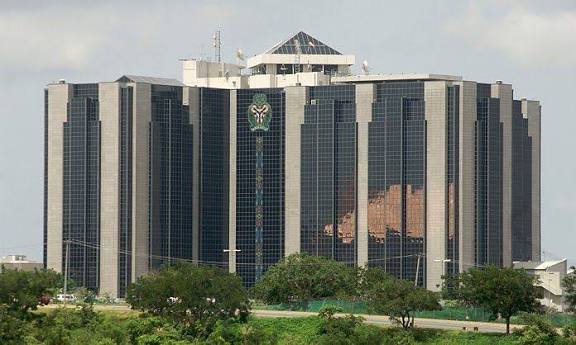
The Central Bank of Nigeria has projected that the country’s external reserves will rise to $51.04bn in 2026, up from an estimated $45bn in 2025.
The forecast was contained in the CBN’s 2026 Macroeconomic Outlook titled “Consolidating Macroeconomic Stability Amid Global Uncertainty,” released on Tuesday.
According to the report, Nigeria’s reserves have been recording steady growth, with figures reaching $45.45bn as of December 29, 2025.
The bank said the expected increase in 2026 would be driven by reduced pressure in the foreign exchange market, higher oil earnings, sovereign bond issuances and rising diaspora remittances.
It added that the expansion of the Dangote refinery from 650,000 barrels per day to 700,000 barrels per day, and subsequently to 1.4 million barrels per day in the medium term, would further support reserve growth.
The CBN noted that ongoing reforms in the FX market are expected to improve transparency, reduce the gap between official and Bureau de Change rates and help stabilise the exchange rate.
Improved refining capacity at home is also expected to limit demand for foreign exchange used for fuel imports.
On inflation, the bank projected that headline inflation would slow to 12.94 per cent in 2026 and further decline to 10.75 per cent in 2027, supported by exchange rate stability, better coordination of economic policies and the lingering impact of previous interest rate hikes.
Data from the National Bureau of Statistics shows inflation has already been easing, dropping to 14.45 per cent in November 2025 from 16.05 per cent in October, although the Consumer Price Index still recorded a month-on-month increase.
The CBN said inflation is expected to continue easing in 2026 as food supply improves, security conditions in farming areas stabilise and energy prices moderate.
It added that more competition in the oil sector is likely to lead to lower petrol prices, contributing further to price stability.
The bank explained that monetary policy would remain flexible during the transition period, with adjustments to interest rates, reserve requirements and other tools aimed at managing money supply while safeguarding growth.
It expects monetary conditions to remain relatively loose in 2026, even as it works to anchor expectations and maintain financial stability.
On the fiscal side, the CBN projected a broadly positive outlook, supported by stronger crude oil production and the gradual implementation of the Nigeria Tax Act, 2025, which is expected to boost non-oil revenue.
However, it warned that falling oil prices, lower-than-expected production, high debt servicing costs and possible increases in government spending ahead of elections could strain the budget.
The report also flagged risks in the financial sector, particularly from rising non-performing loans, which it said could weaken banks’ balance sheets and reduce their ability to lend.
While capital and liquidity levels remain relatively strong, the CBN cautioned that shocks such as foreign exchange pressures or higher credit losses could threaten stability if not carefully managed.

- Bago vows probe as Niger holds prayers for 37 miners who died in custody - September 20, 2026
- Troops rescue two kidnap victims, arrest 11 in Plateau - September 20, 2026
- APC challenges Atiku over proposed petrol subsidy - September 20, 2026