


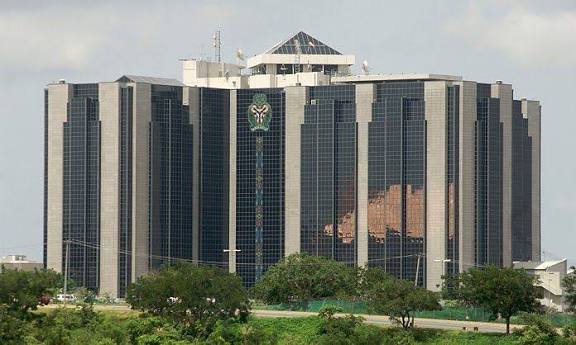
In 2025, the Central Bank of Nigeria (CBN) faced the challenge of steering the country’s economy while inflation was slowing but interest rates remained high.
The apex bank had to strike a careful balance between continuing to ease price pressures and protecting the credibility it had built by tightening monetary policy in 2024.
At the start of the year, inflation was steadily falling, giving policymakers space to consider loosening monetary restraint.
However, with inflation still above desired levels, the Monetary Policy Committee (MPC) decided to maintain a cautious approach, holding the benchmark interest rate at 27.5 per cent for most of the year.
The bank eased rates only once, trimming it by 50 basis points in September, before keeping it steady again as the year closed.
To manage liquidity in the financial system, the CBN took a series of regulatory steps.
In September, it raised the Cash Reserve Ratio (CRR) on non-TSA public sector deposits to 75 per cent, effectively locking away idle funds and reducing inflationary risks.
It also reshaped the lending and deposit facilities to discourage banks from holding excess funds with the CBN and to encourage more lending into the real economy.
The CBN also tightened rules for banks facing regulatory forbearance.
Weak banks were barred from paying dividends or executive bonuses and restricted from investing abroad.
These measures were intended to strengthen capital buffers and promote financial discipline within the banking sector.
Overall in 2025, the CBN’s approach was aimed at sustaining the progress made in reducing inflation while carefully managing monetary and financial conditions amid ongoing domestic and global uncertainties.

- Kaduna: Tinubu kicks off 2027 campaign, seeks Nigerians’ mandate - October 24, 2026
- Insecurity threatens Sokoto polio vaccination drive targeting one million children - October 24, 2026
- Wike to residents: Bonny-Bodo Road justifies Tinubu’s second term - October 24, 2026