

The human toll of demolitions in Makoko was tragically highlighted on Thursday after a pregnant woman reportedly bled to death while being prevented from reaching a hospital during the Lagos State Government’s ongoing demolition exercise in the community.
The incident is among several deaths, displacements, and losses recorded as demolitions spread across Makoko and other underserved Lagos communities.
Rights groups and community leaders, including Justice and Empowerment Initiatives (JEI), Spaces for Change, the Coalition of Oworonshoki Demolition Victims, CEE-HOPE, CAPPA, and residents of the Makoko Waterfront Community, condemned the demolitions in a joint statement titled: “Systemic, Illegal, Cruel and Deceitful Forced Evictions: A Demand for Justice, Accountability and Resettlement for Makoko and Other Affected Communities.” They described the evictions as inhumane and unlawful.
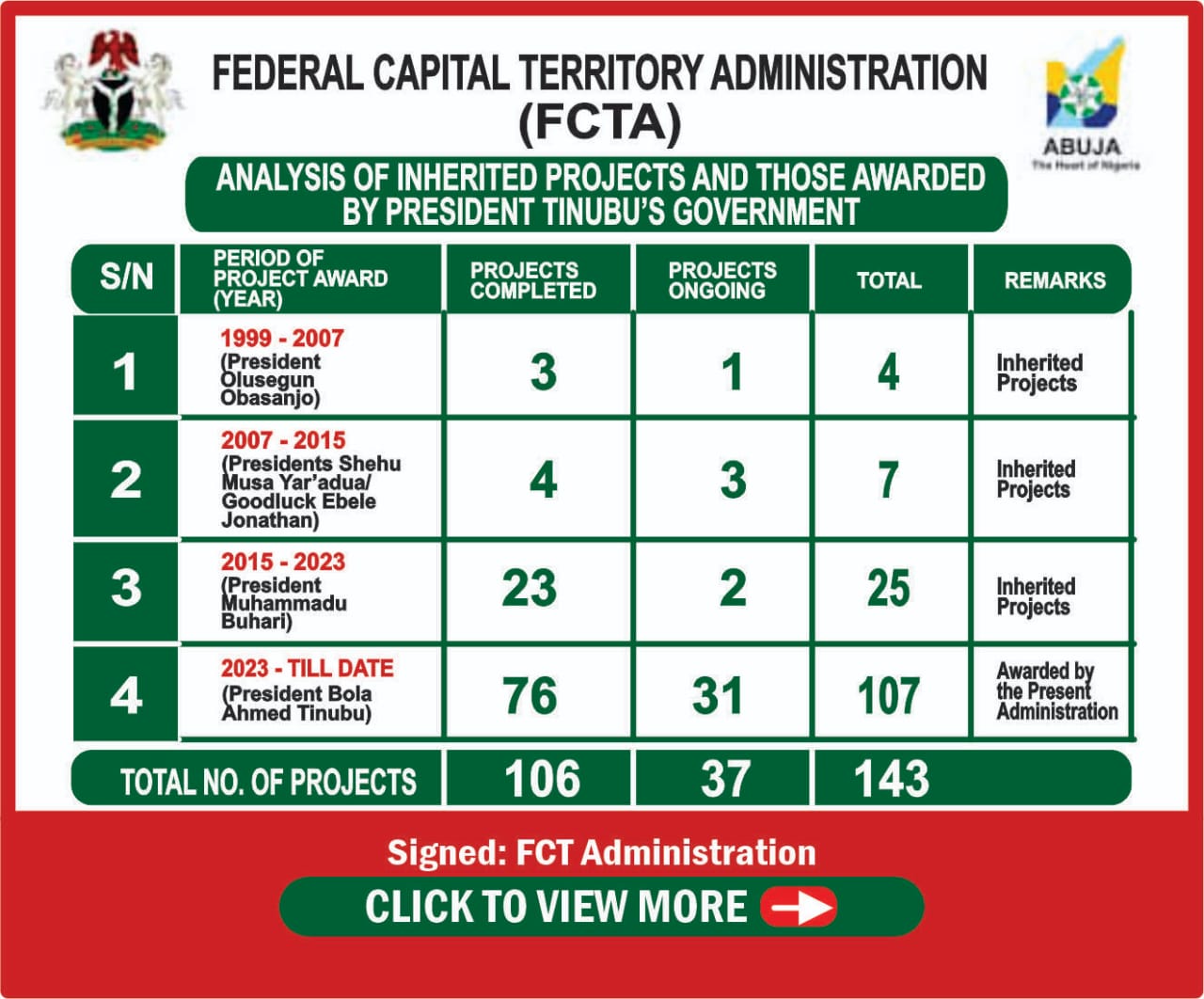
Speaking at a forum organised by the coalition of affected communities, Israel Idowu, Student Coordinator for Makoko Waterfront Community, said the demolitions were predictable and could not have occurred without government knowledge.
He recalled that Governor Babajide Sanwo-Olu had previously spoken publicly about plans to turn Makoko into a tourist destination while also acknowledging the presence of power lines in the area.
“What happened in Makoko was not an accident. The governor himself has mentioned turning Makoko into a tourist centre and spoke about power lines here,” Idowu said.
He added that residents were initially told the demolition would stop, but bulldozers returned, with officials claiming it was “an order from above.”
The human cost, he said, has been devastating.
He recounted that a pregnant woman in need of urgent medical attention was unable to reach a hospital because of restricted movement, resulting in her death.
Many residents are now sleeping in boats, canoes, churches, and open spaces. Children are unable to attend school, fishing has ceased, and small shops relied upon by families have been destroyed.
Idowu also noted ongoing sand filling in the lagoon, suggesting that demolitions are motivated by future development rather than safety concerns.
Comrade Abiodun Ahmed, Chairman of Owode Motor Spare Parts Market, said demolitions in Owode Onirin have wiped out livelihoods built over decades.
Traders lost shops, vehicles, and goods, with some arrested and others having property seized by security forces.
Olanrewaju Olusegun, Secretary of the Coalition of Oworonshoki Demolition Victims, said residents of Oworonshoki endured similar experiences during the 2023 demolitions, with homes destroyed at night, residents injured or detained, and livelihoods lost overnight.
Active citizen Opeyemi Adamolekun called for transparency over allegations that some community leaders received government payments, warning that secrecy breeds mistrust and division.
Rights groups also reported that at least 12 people, including two infants, have died. Among the victims are 70-year-old Albertine Ojadikluno and five-day-old Epiphany Kpenassou Adingban.
The organisations condemned the demolitions as state-created homelessness and land grabbing, demanding an immediate halt to evictions, emergency shelters for displaced families, compensation for lost homes and businesses, accountability for deaths and abuses, and a resettlement plan developed in consultation with affected communities.

- INTERPOL identifies 126 terrorist suspects with AI - September 18, 2026
- FG, CBN sign pact on fiscal, monetary policy coordination - September 18, 2026
- Reps probe exclusion of 5,000 NOUN law graduates - September 18, 2026