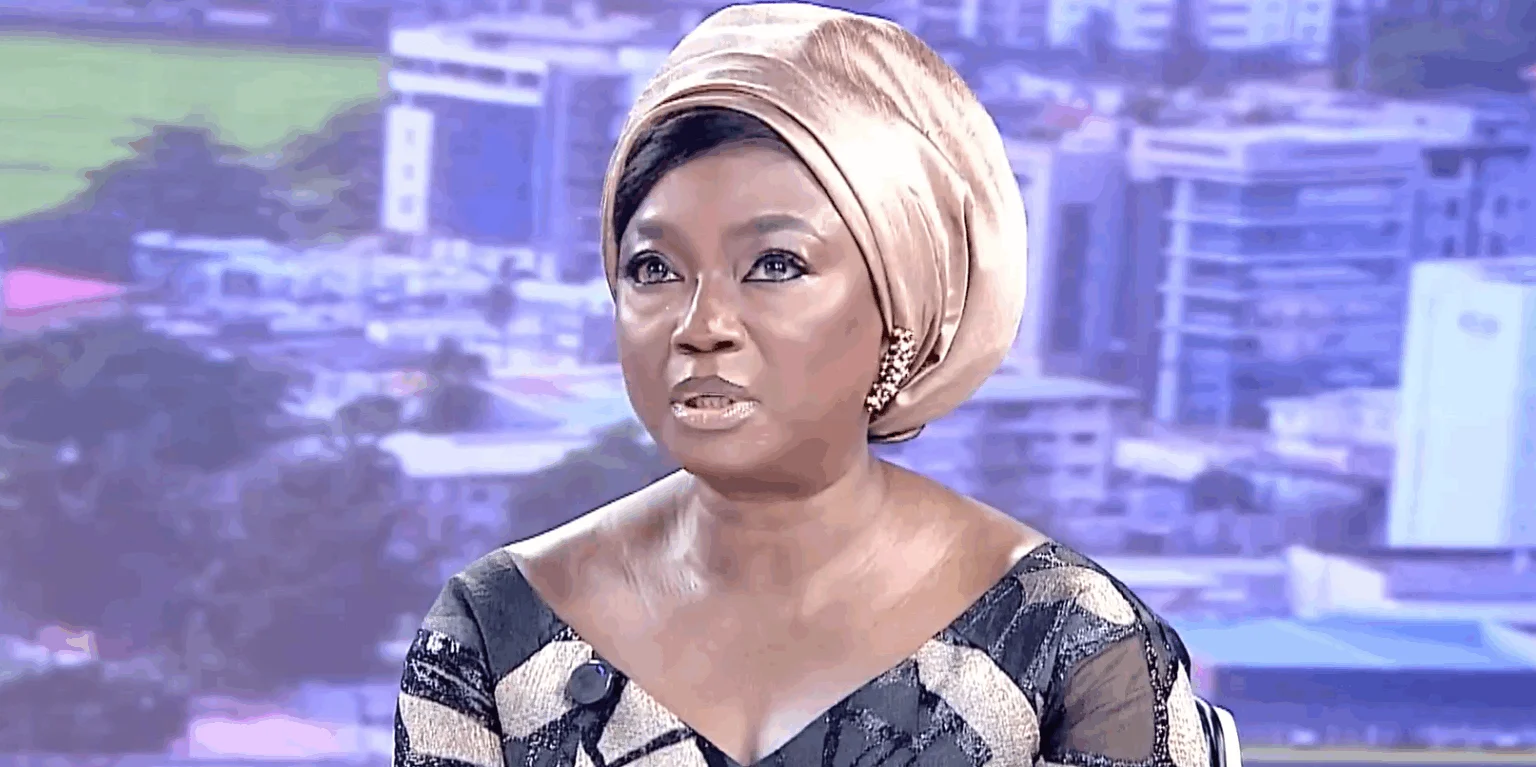
Aisha Muhammed, daughter of former Head of State, General Murtala Ramat Muhammed, has said her father’s simple and disciplined lifestyle made it easier for assassins to target him.
Speaking on ARISE News’ Morning Show on Monday, the Chief Executive Officer of the Murtala Muhammed Foundation reflected on her father’s leadership style as Nigeria marks the 50th anniversary of his assassination.
She described the late military leader as a man who practised what he preached, particularly in the areas of accountability, responsibility and anti-corruption, noting that he believed corruption was a “cankerworm” capable of destroying society.

According to her, Muhammed did not merely speak against corruption but demonstrated his principles through his personal conduct and refusal to embrace the privileges of power.
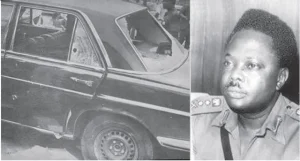
“He led with clarity and believed strongly in accountability and responsibility.
“Corruption wasn’t something he just talked about. He genuinely believed it would destroy society and lived in a way that reflected that,” she said.
Aisha explained that her father deliberately avoided heavy security details, long motorcades and sirens, choosing instead to move around like ordinary Nigerians — a decision she said ultimately made him vulnerable.
She noted that on the day he was killed, he was travelling in regular traffic without extensive protection.
“He didn’t go around with motorcades and sirens or a lot of security. That was what he embodied.
“But that also made it easy to assassinate him because he didn’t have a large security presence.
“He was in traffic like everyone else. The traffic wardens stopped them, just like other road users, and that was when the coup plotters struck,” she said.
General Muhammed came to power in July 1975 through a bloodless coup that removed General Yakubu Gowon.
He was assassinated on February 13, 1976, during an unsuccessful coup attempt, barely six months into office.
Despite his brief 200-day tenure, he introduced major reforms, including the dismissal of thousands of public officials over corruption allegations, the creation of seven new states and plans for a transition to civilian rule.
His administration also began the process that led to the relocation of Nigeria’s capital from Lagos to Abuja.

- APC mocks Obi over claim of victory without evidence - October 9, 2026
- Nigerian Army graduates new Special Forces battalion to tackle terrorism - October 9, 2026
- Court remands terrorist over 170 AK-47 rounds in Kuje prison - October 9, 2026