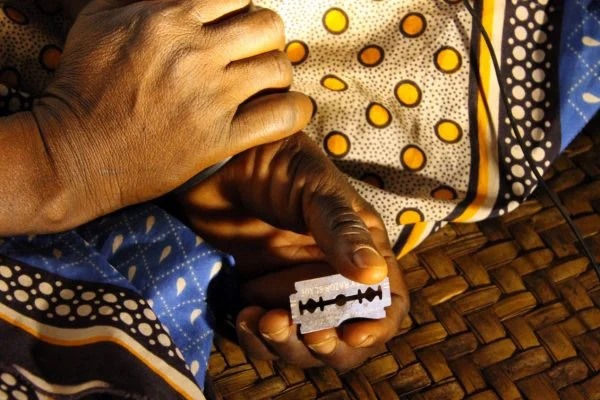
The United Nations Population Fund (UNFPA) has warned that at least 4.5 million girls worldwide could face female genital mutilation (FGM) in 2026, despite ongoing global efforts to end the harmful practice.
The agency also estimates that about 230 million girls and women across the world have already undergone FGM, a procedure that involves altering or injuring female genitalia for non-medical reasons and is widely recognised as a violation of human rights.
UNFPA noted that even when performed by health professionals — a trend often referred to as “medicalised” FGM — the practice remains unsafe, unnecessary and unjustifiable, stressing that there is no medical reason for it.
Although commonly associated with certain regions, FGM is a global issue and has been documented in 94 countries across all continents. The organisation expressed concern that millions of women and girls continue to suffer long-term physical and psychological consequences from the practice.
According to the agency, one factor sustaining FGM is the mistaken belief that calls to end it are driven by foreign influence. However, ahead of the International Day of Zero Tolerance for Female Genital Mutilation marked annually on February 6, UNFPA dismissed this claim, pointing to growing local and community support for its abolition.
Data from about one-third of affected countries show a decline over the past three decades, with the proportion of girls subjected to FGM dropping from one in two to one in three. Globally, two-thirds of both men and women now support ending the practice.
UNFPA called for increased investment and stronger partnerships to meet the global target of eliminating FGM by 2030. It urged governments, donors, civil society groups, community leaders, and young people to work together to challenge the social norms that perpetuate the practice.
The agency also highlighted the role of education, noting that more schools now include comprehensive sexuality education to raise awareness about the risks of FGM.
Africa remains the most affected region. In Ethiopia, for instance, about three-quarters of women and girls aged 15 to 49 have undergone some form of FGM. However, progress is being recorded in some countries through legislation and religious advocacy.
In 2025, Islamic scholars in Djibouti, Eritrea and Somalia issued a national fatwa clarifying that there are no religious grounds to justify the practice, a move seen as a major step toward ending FGM in those countries.

- Bauchi woman stabs husband over belongings - October 25, 2026
- FG releases N38.93bn for 166 tertiary institutions - October 25, 2026
- Ebola: NCDC isolates nine fresh contacts as tracing expands - October 25, 2026