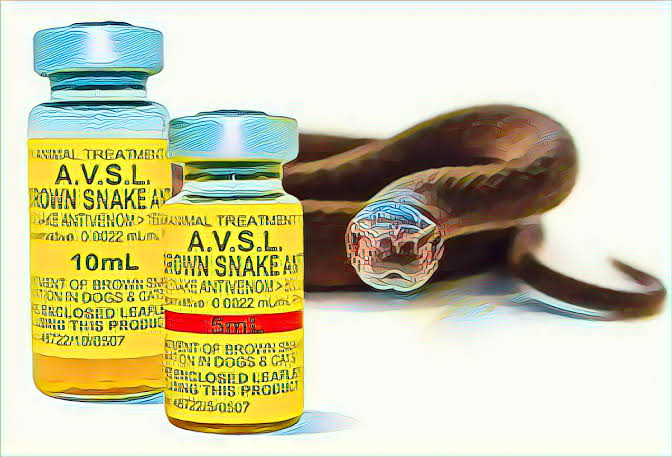
Nigeria records about 43,000 snakebite cases every year, but limited access to life-saving antivenom continues to drive preventable deaths and disabilities, health experts have warned.
Medical professionals and researchers on Neglected Tropical Diseases are urging the Federal Government to prioritise local production, subsidise costs, and ensure widespread availability of antivenom across hospitals and primary healthcare centres nationwide.
According to the experts, snakebite victims currently pay between ₦180,000 and ₦250,000 per dose of antivenom — roughly four months’ income for workers earning the ₦70,000 minimum wage — making treatment unaffordable for many rural dwellers who are most at risk.
Data from the Toxinological Society of Nigeria show that nearly 1,900 people die annually from snakebites in the country. The society described the situation as a neglected public health emergency during its recent Annual General Meeting on Snakebite Management and Research Interventions at Gombe State University.
Concerns intensified following the death of Abuja-based singer Ifunanya Nwangene, 26, who reportedly died last Saturday after a snakebite. The rising artiste gained national attention after competing on The Voice Nigeria in 2021.
The Association of Community Pharmacists of Nigeria subsequently called on the government to make antivenom free nationwide and develop local manufacturing capacity to reduce over 2,000 preventable deaths recorded each year.
A report by the global Strike Out Snakebite initiative revealed that at least 50 per cent of Nigerian health facilities lack the capacity to treat snakebite envenoming. Nearly all health workers surveyed reported difficulties administering antivenom — the only treatment recognised by the World Health Organisation for snakebite care — while 98 per cent cited challenges in accessing supplies.
Nigeria is home to 29 snake species, about 41 per cent of which are venomous, yet victims often travel long distances for treatment or resort to traditional remedies due to poor healthcare access. In Benue State, 12 internally displaced persons reportedly relied on traditional medicine after suffering snakebites because medical personnel were not regularly available.
The Medical Director of the Snakebite Hospital and Research Centre in Kaltungo, Gombe State, Dr Nicholas Amani, described antivenom as a globally scarce commodity, largely because snakebite victims are predominantly poor, rural farmers with little political influence.
“Even specialised hospitals currently do not have adequate supplies,” he said, noting that government efforts to improve availability remain in progress.
Following Nwangene’s death, the Senate demanded mandatory stocking of antivenom in hospitals and urged state governments and the Federal Capital Territory to establish emergency referral systems to ensure quicker access to critical treatments.
Professor Patricia Lar, a medical microbiologist at the University of Jos, said Nigeria has the expertise to produce antivenom locally but lacks commitment. She blamed reliance on imports from India, China, and the United Kingdom for the high costs and limited accessibility.
“We have the science and the knowledge, but not the coordinated effort to produce on a large scale,” she said, adding that antivenom should be readily available at primary healthcare centres.
Similarly, Professor Chinyere Ukaga, a public health parasitologist at Wigwe University, said snakebite management remains low on the government’s priority list, contributing to shortages nationwide.
She noted that areas where snakebites are common tend to record lower fatality rates due to better awareness and preparedness, stressing the need for nationwide education and consistent supplies.
Both experts called for antivenom to be subsidised or provided free of charge and urged communities to maintain clean environments to reduce snake habitats, while seeking immediate medical care rather than traditional treatments when bites occur.

- Nigerian oil tycoon Indimi loses $60m on Jaiz Bank shares - October 26, 2026
- Nigeria could be declared Ebola-free on December 7 — Minister - October 26, 2026
- NUPRC plans crude swap to cut refinery costs by $4 per barrel - October 26, 2026