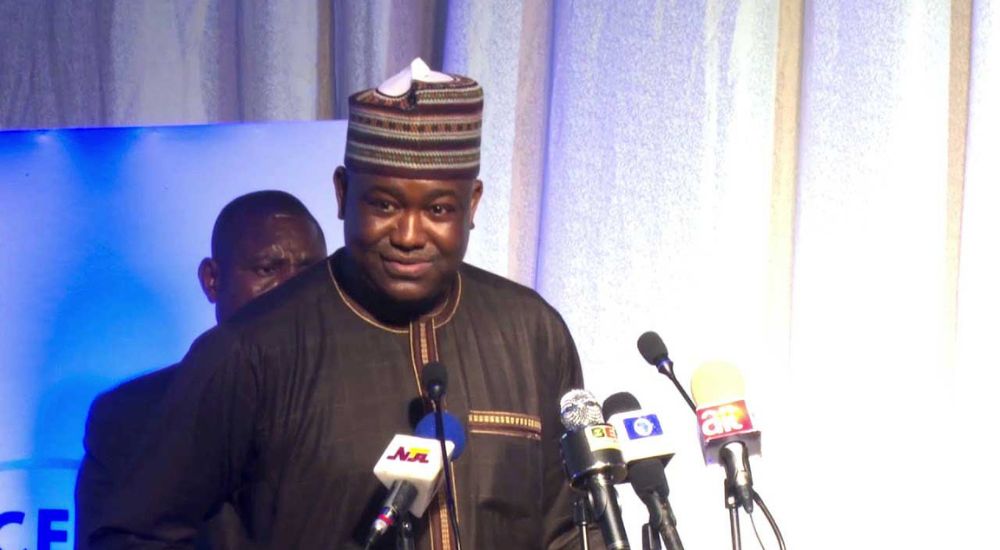
A presidential aspirant on the platform of the Peoples Democratic Party (PDP), Dr. Gbenga Hashim, has described the recent massacre in Woro community of Kwara State as clear evidence of Nigeria’s worsening rural insecurity, warning that the country risks sliding into a dangerous era where large-scale attacks occur without timely or effective state intervention.
In a statement issued on Sunday, Hashim said the magnitude of the assault goes beyond sympathy and demands urgent accountability from security authorities.
“This killing is unprecedented in its scale and unmatched in its barbarity. I offer my condolences to the Woro community, but condolence is not enough this time around,” he said.

He called on the United Nations Special Rapporteur on Human Rights to launch an international investigation into the incident, stressing that Nigerians deserve answers, particularly over claims that intelligence about the impending attack was ignored.
According to Hashim, the tragedy highlights the growing vulnerability of rural communities across the country.
“The killings in Woro have demonstrated how easy it is for armed groups to take hundreds of lives without resistance,” he said.
The former presidential candidate questioned the absence of aerial support during the attack, arguing that Nigeria’s air power makes explanations about the village’s remoteness unacceptable.
Referencing the Nigerian Air Force presence along the Wawa–New Bussa axis, which he noted is less than a 15-minute flight from Woro, Hashim asked why no emergency air response was deployed.
“I hear the unacceptable explanation that it takes hours to access the remote village. So what happened with the Air Force?” he queried.
He also pointed to what he described as inconsistencies in the military’s responsiveness, recalling previous cross-border interventions.
“The world needs to know why the Air Force that could fly to Benin Republic to save the Beninois President from mutiny could not save the Woro people within the same geographical axis,” he said.
Hashim further criticised the military high command, noting Nigeria’s past decisive roles in restoring stability in Sierra Leone and Liberia.
“Nigeria’s Army stopped killings in Sierra Leone and Liberia before. Why then can it not stop the slaughter of Nigerians in their own communities?” he asked.
He cited reports that attackers had allegedly issued threats beforehand and that security agencies were notified, raising concerns over claims that troops initially deployed were later withdrawn.
“Nigerians deserve to know who ordered that withdrawal and why,” he said.
Describing the delayed response as troubling, Hashim questioned how such a large number of people could be killed without arrests or credible information about the perpetrators days later.
He warned that repeated failures to respond swiftly to attacks are emboldening criminals while deepening public distrust in government.
“This is the tragedy of rural Nigeria today. Citizens are attacked, yet the state arrives after the attack, not during the attack,” he said.
Hashim cautioned that continued neglect could drive communities toward self-help measures, including vigilante actions and unregulated armed groups, which could further destabilise the country.
“When communities feel abandoned, they will begin to seek survival outside the state. That is how societies slide into deeper instability,” he warned.
He urged the Federal Government, the Nigerian Air Force, and other security agencies to provide a detailed operational timeline of events, including distress calls received, response measures taken, and reasons for the lack of aerial intervention.
The PDP chieftain also advocated reforms to strengthen rural protection, including rapid-response mechanisms, aerial surveillance, helicopter deployment, and forward operating bases in vulnerable areas.
Hashim stressed that the Woro attack should not be treated as an isolated incident but as a warning sign of expanding insecurity across the North Central region, particularly communities bordering Niger State and the Kainji Lake axis.
Without decisive action, he said, Kwara risks becoming a new hotspot for banditry and rural terrorism, threatening agriculture, livelihoods, and social stability.
“Nigeria must not normalize massacres. If a village can be attacked for hours and the state still cannot respond, then we are facing a serious national emergency,” Hashim stated

- Police arrest students over viral Plateau assault video - August 29, 2026
- Christian women urged to uphold dignity, integrity - August 29, 2026
- Uganda’s former youngest king, Oyo Nyimba, dies at 34 - August 29, 2026