
Oil prices fell 1% on Monday, February 9, 2026, as immediate fears of a conflict in the Middle East eased after the United States and Iran pledged to continue talks about Tehran’s nuclear programme over the weekend.
The development calm investors anxious about supply disruptions.
Brent crude futures fell 67 cents, or 1%, to $67.38 a barrel on Monday by 0444 GMT, while U.S. West Texas Intermediate crude was at $62.94 a barrel, down 61 cents, or 1%.
“With more talks on the horizon the immediate fear of supply disruptions in the Middle East has eased quite a bit,” IG market analyst Tony Sycamore told Reuters.
Iran and the U.S. pledged to continue the indirect nuclear talks following what both sides described as positive discussions on Friday in Oman despite differences. That allayed fears that failure to reach a deal might nudge the Middle East closer to war, as the U.S. has positioned more military forces in the area.

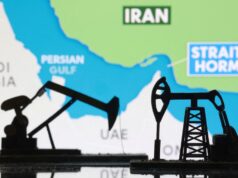
Investors are also worried about possible disruptions to supply from Iran and other regional producers as exports equal to about a fifth of the world’s total oil consumption pass through the Strait of Hormuz between Oman and Iran.
$1.5bn spending: Atiku calls refinery revival wasteful, demands privatisation
Both benchmarks fell more than 2% last week on the easing tensions, their first decline in seven weeks.
However, Iran’s foreign minister said on Saturday Tehran will strike U.S. bases in the Middle East if it is attacked by U.S. forces, showing the threat of conflict is still alive.
“Volatility remains elevated as conflicting rhetoric persists. Any negative headlines could quickly reignite risk premiums in oil prices this week,” a senior market analyst at Phillip Nova, Priyanka Sachdeva, said.