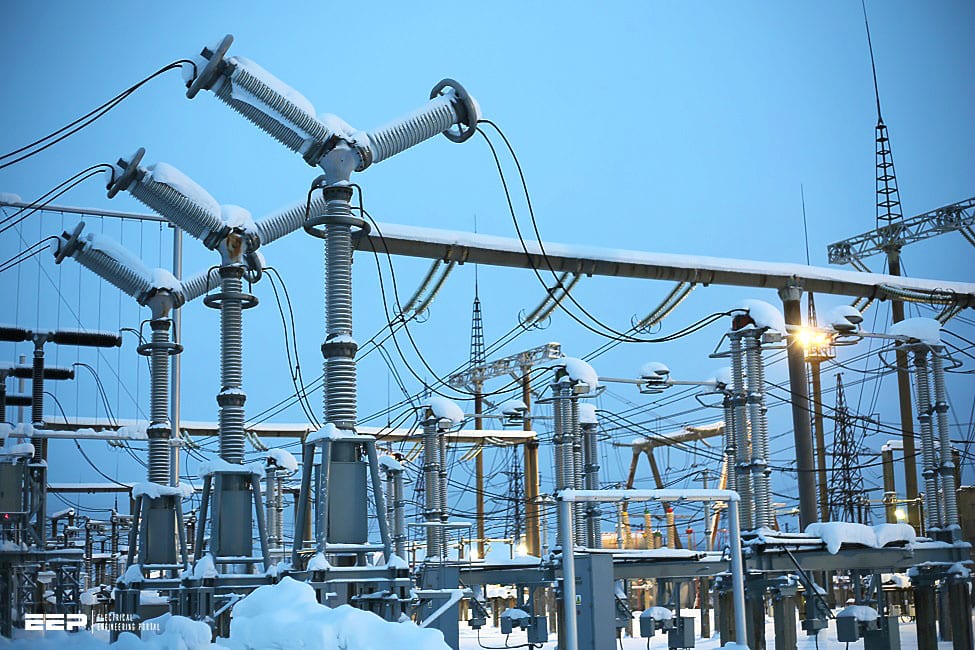

The Federal Government has reaffirmed its commitment to enhancing Nigeria’s gas-to-power value chain as a key strategy to expand electricity supply, drive industrial growth, and reduce energy poverty.
Minister of State for Petroleum Resources (Gas), Ekperikpe Ekpo, made this known while speaking at the National Gas Day session of the 9th Nigeria International Energy Summit (NIES 2026).
Ekpo highlighted that natural gas currently accounts for more than 70 per cent of Nigeria’s on-grid electricity generation, describing it as the backbone of the country’s power sector and a crucial driver of economic development.
“With proven natural gas reserves of over 210 trillion cubic feet, Nigeria is uniquely positioned to leverage gas not just as a resource, but as a catalyst for power delivery, industrialisation, and national growth,” he said.
The minister emphasised that the real measure of success lies in converting these abundant reserves into megawatts supplied to homes, industries, hospitals, and schools. He noted that the federal government prioritises gas as a transition fuel to ensure reliable electricity while supporting climate commitments.
“As a cleaner and more affordable energy source, gas allows us to expand electricity access, deepen industrialisation, and reduce energy poverty in a pragmatic and development-focused manner,” Ekpo added.
He also highlighted a major achievement of the current administration: the settlement of longstanding gas-to-power debts owed to producers, approved by the President and ratified by the National Economic Council (NEC).
“For decades, unpaid gas-to-power obligations discouraged investment and limited supply. Resolving these debts has removed a major bottleneck, restored confidence in the domestic gas market, and is already unlocking fresh investments in gas supply for power generation,” Ekpo said.
The minister stressed that strengthening the gas-to-power linkage remains central to Nigeria’s efforts to provide reliable electricity, support industrial growth, and advance sustainable development.

- EU denies rejecting INEC invitation to observe Nigeria’s 2027 elections - August 10, 2026
- Plateau group challenges Kefiano to unveil clear governance agenda - August 10, 2026
- UK radio station breached rules with false King Charles death announcement - August 10, 2026