

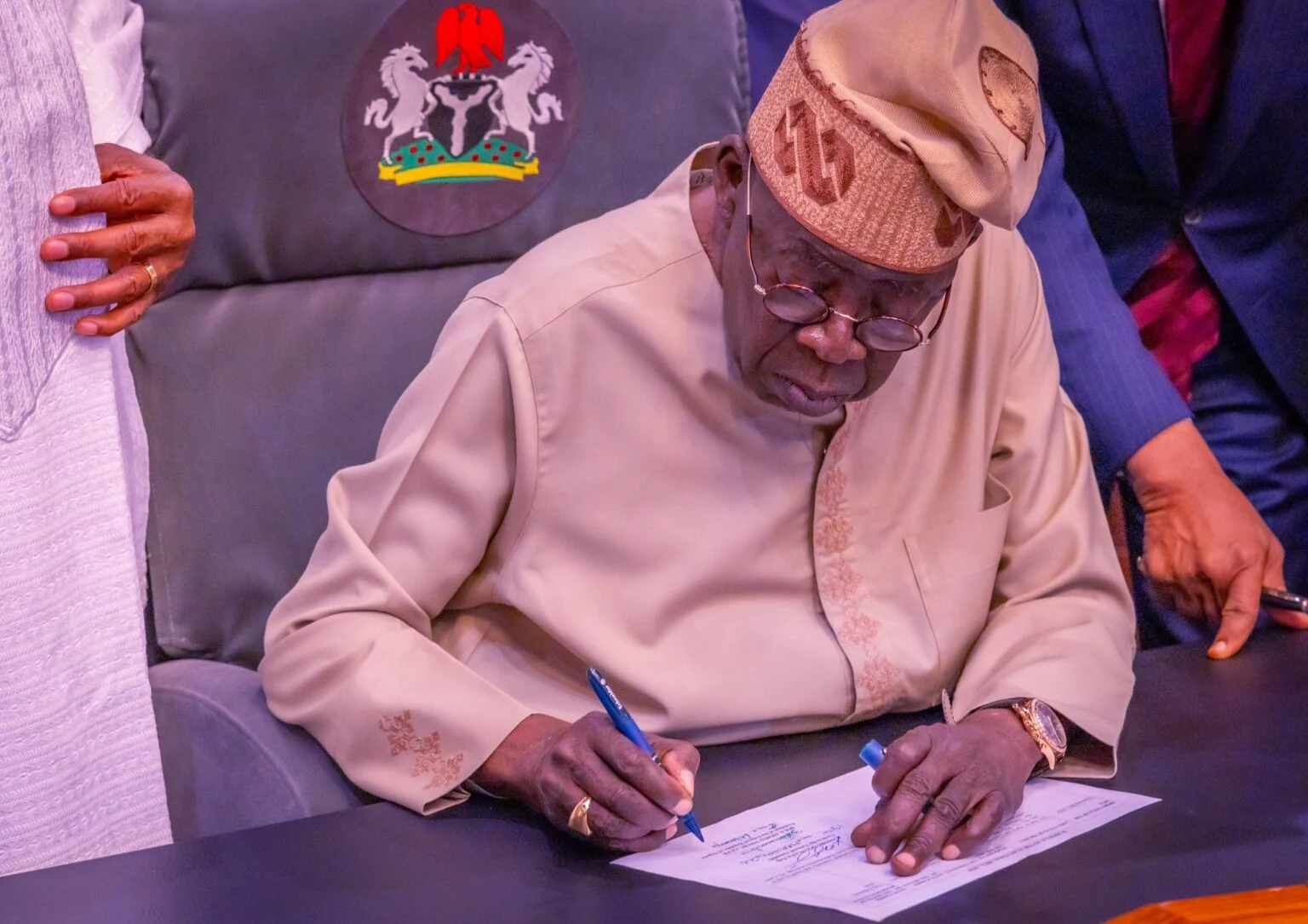

President Bola Tinubu’s latest executive order directing oil and gas revenues to be paid directly into the Federation Account could boost allocations to federal, state, and local governments by about N14.57tn annually, new revenue analysis has shown.
The directive mandates that royalty oil, tax oil, profit oil, profit gas, and other earnings under production sharing, profit sharing, and risk service contracts be remitted straight to the Federation Account, eliminating several retention mechanisms previously used in the sector.
The order, which took effect on February 13, 2026, also scrapped the 30 per cent Frontier Exploration Fund established under the Petroleum Industry Act and ended the 30 per cent management fee on profit oil and gas previously retained by the Nigerian National Petroleum Company Limited.
Revenue shifts across agencies
Based on 2025 revenue data submitted to the Federation Account Allocation Committee, the national oil company is projected to forgo about N906.91bn from management fees and frontier exploration deductions.
Oil and gas royalties estimated at N7.55tn and gas flaring penalties of N611.42bn collected by the Nigerian Upstream Petroleum Regulatory Commission will now flow directly into the Federation Account.
Similarly, petroleum taxes totalling N4.905tn, previously administered by the Nigeria Revenue Service, will be remitted directly, while collections of about N596.61bn from the Midstream and Downstream Gas Infrastructure Fund will also be subject to statutory allocation rules.
In total, the affected revenue streams amount to roughly N14.7tn, although actual inflows may vary depending on oil production levels and market conditions.
End of retention structure
Since the implementation of the Petroleum Industry Act in 2021, only 40 per cent of proceeds from Production Sharing Contracts went into the Federation Account, with the remaining 60 per cent retained by NNPC for frontier exploration and management fees.
Under the new directive, operators must pay all government interests directly into the Federation Account, while gas flare penalties will no longer be channelled into sector-specific funds.
The policy also requires that spending from the gas infrastructure fund comply with public procurement regulations.
Tinubu said excessive deductions and overlapping funds had weakened remittances and slowed development, stressing that oil and gas revenues must prioritise Nigerians.
He noted that the reforms aim to strengthen fiscal discipline, improve transparency, and ensure that every legitimate revenue due to the federation is protected. The President also announced an implementation committee and a broader review of the Petroleum Industry Act to address structural gaps.
Fiscal impact
Analysts say the policy could significantly increase allocations to states and local governments, helping to reduce deficits and improve funding for infrastructure and social services.
The Frontier Exploration Fund — designed to finance exploration in basins such as the Chad, Sokoto, Bida and Benue regions — will no longer receive automatic deductions, potentially reshaping Nigeria’s long-term exploration strategy.
Expert reactions
Energy policy expert Professor Wumi Iledare described the directive as a major fiscal intervention aimed at strengthening transparency and reducing discretionary retention of public revenues.
However, he warned that parts of the order may conflict with statutory provisions under the Petroleum Industry Act, suggesting that legislative amendments may be required to ensure constitutional alignment and investor confidence.
The Capital Market Academics of Nigeria backed the move, calling it a bold reform that corrects long-standing revenue imbalances and improves equity in revenue distribution.
The group urged the government to strengthen oversight mechanisms and extend similar reforms to joint venture assets to maximise national earnings.
If fully implemented, the directive is expected to mark a major shift in Nigeria’s oil and gas revenue management, with wider implications for government finances, sector institutions, and investor confidence.

- Budget Office: No PFIPC funds released despite appropriation - July 24, 2026
- Former adult film actress sworn in as Colombian senator - July 24, 2026
- Kano to launch state-owned airline — Gov Yusuf - July 24, 2026