By Lukman Abdulmalik
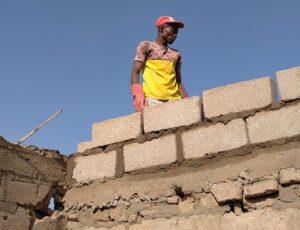
The sun is already unforgiving in the city of Kano by mid morning. Abubakar Umar is a sweaty 32-year-old bricklayer who under the fading umbrella breaks his work and imbibes the contents of a plastic sachet of water.
“I can I tell you, if I quit I do not earn. But as I go on I grow weak in my body,” he said.

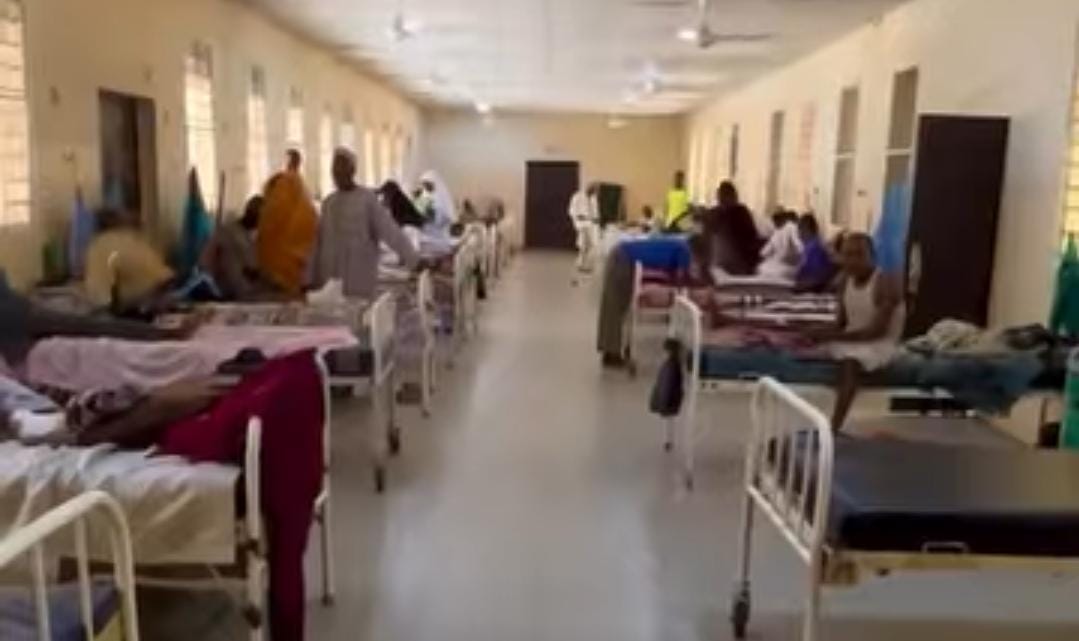
In Kano, temperatures are on the rise causing everyday life to change, and more and more hospital waiting rooms.
Having construction workers, commercial motorcyclists as the main examples, even street vendors and security guards, the menial workers spending numerous hours in the street are the most susceptible to heat stress.
Heatwaves are increasing in frequency and severity in Kano and in some years have long periods in excess of 40°C, especially in the months of March, April and May.
These seasons are linked with exhaustion, pain, lack of productivity and heat diseases.
In the case of manual workers the risks are increased. An evaluation of outdoor labour using the Kano-focused study has identified that the length of exposure to sun, insufficient ventilation, absence of rest periods and inadequate hydration are significant contributors of heat stress.
Some of the health consequences are dehydration, heat related illnesses, exacerbation of underlying diseases and an increased risk of work related injuries.
Physician at Murtala Mohammed Specialist Hospital, Dr. Aisha Sani, noted that the trend can be observed.
Sani, serves a large number of low-income patients, is a sharp increase in dizziness, headaches, fainting and heat exhaustion among labourers in the season.
“The body finds it difficult to control the temperature. When individuals continue working in hot conditions, the organs start experiencing a strain.
“High temperature may cause impairment of concentration, physical strength and even mental health, thereby exposing workers to injury and loss of income as they work depending on their daily wages.” She clarified.
The Hidden Price of Low-Skilled Laborers
Unlike office workers who can retreat indoors, menial workers face a difficult choice: rest and lose pay, or continue working and risk illness.
Umar explained that his current practice is to be at work sooner and have more breaks, yet work still slows down.
“Your head spins sometimes at noon,” he said.
The Nigerian Institute of Health have raised concerns that heat exposure lessen production in all outdoor industries and may increase poverty circles.
One of the estimates indicates that heat can reduce the productivity of outdoor work by almost twenty-five percent and the losses are expected to increase with the increase in temperature.
To the transport workers the pressure is unceasing.
Commercial tricycle rider Khalid Sanusi reports that he gets extremely fatigued and irritable in hot seasons.
“You are tired faster. You get angry easily,” he said. Nonetheless, passengers must still move.
Health experts observe that dehydration and heart work are frequent problems and in the long run, heat may worsen respiratory and heart diseases.
In extreme situations, heat stroke may cause organ damage or death in the absence of treatment.
Struggling Clinics
There is a progressive change in the clinical situation in Kano.
Health workers report increased heat-related illnesses but also patient complications in diabetes, high blood pressure and kidney diseases.
According to Dr. Sani, heat aggravates the conditions.
“We are seeing more patients whose symptoms escalate during hot months.
“Another issue that is emerging is sleep disturbance, loss of appetite and mental stress.
“Heat is an extreme to worse health, higher likelihood of death and impaired labour capacity, especially when the temperature is high among people of low income earning who do manual labour.
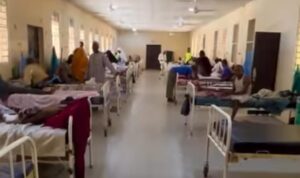
“To hospitals that are already strained, seasonal peaks cause more pressure on scarce resources,” he noted.
In the Murtala Mohammed Specialist Hospital, the hottest weeks experience a significant change at the outpatient wing.
According to nurses, patients are increasingly presenting with complaints of dizziness, unremitting headaches, uncharacteristic fatigue and fainting spells, the symptoms of which doctors are increasingly attributing to exposure to heat throughout the Kano region.
In the case of the 45 year old roadside food vendor Zainab Haruna, the trial started as she experienced normal fatigue.
“I couldn’t stand long. I felt weak, it was tight in my chest, I remember, sitting in a plastic chair in the waiting-room.
“Doctors subsequently determined that there was severe dehydration and heat exhaustion.”
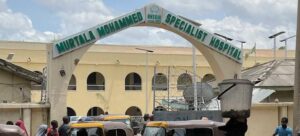
According to Doctors in the hospital, such tales as the one about Zainab are becoming a norm.
Dr. Aisha Sani elaborates that extreme heat puts a strain on the cooling mechanism of the body particularly to patients who already have had a history of elevated blood pressure, diabetes or kidney issues.
“We perceive it as situations deteriorating in a short period, rise in blood pressure, dehydration in the patients and an increase in time to heal,” she said.
Sadiq Bello is another patient is a tricycle rider and he did not take heed to any of the symptoms until he almost gave in when he was working.
Without preventive actions, the doctors warn that cases caused by heat may keep on rising silently remodeling the Kano healthcare burden in every hot season.
Government Response and Gapes
The officials of the Kano State Ministry of Health admit the increased difficulty.
Dr. Abubakar Labaran Yusuf, Commissioner of Health, said that hydration, shade and changed working hours are now being promoted through awareness campaigns.
“The city layout also contributes: concrete sprawl, less plant life and poor electricity availability contribute to indoor heat exposure, making many households unable to cool their houses.”
He noted that adaptation to heat should not be confined to recommendations such as shaded markets, protection to workers and infrastructure that responds to climate.
Climate scientists warned over the extreme heat events in West Africa, which is becoming probable as a result of the climate change, thus endangering outdoor workers.
Coping on the Frontlines
The informal adaptation of workers is already underway the workers are now wearing lighter clothes, changing schedules and drinking more water.
Public health expert Musa Sufi highlighted that targeted policies may be effective: “a mandatory rest break, heat alerts, employer policies and expanded primary healthcare assistance in the months of peak heat is needed.”
Towards the end of afternoon Umar gathers his implements.
He did not make as much as was expected of him the heat had brought him to a crawl and he reckons himself fortunate.
He did not collapse. He did not miss work.
The increase of temperature is frequently represented in numbers of degrees, predictions, climate hypotheses.
However, in Kano, the effect is quantified differently when there are slower workdays, overcrowded clinics, restless nights and bodies stretched to their extremes.
According to the doctors, heat is becoming a silent patient in the healthcare system in the city.
And in the case of menial laborers, it is a daily bargain between life and living which is becoming more challenging with each passing hot year.
This report was published under HumanAngle’s SCOJA Fellowship.

- APC mocks Obi over claim of victory without evidence - October 9, 2026
- Nigerian Army graduates new Special Forces battalion to tackle terrorism - October 9, 2026
- Court remands terrorist over 170 AK-47 rounds in Kuje prison - October 9, 2026