
The Federal Government is facing criticism following a sharp rise in foreign exchange outflows for medical travel, with Nigerians spending about $549.29 million on healthcare abroad in the first nine months of 2025 — a 17.96 per cent increase from $465.67 million recorded in the same period of 2024.
Data from the quarterly statistical bulletin of the Central Bank of Nigeria shows steady growth in medical travel expenses, with $151.53 million spent in the first quarter of 2025, $189.41 million in the second quarter, and $208.35 million in the third quarter. Analysts say the figures highlight persistent reliance on treatment overseas despite government assurances to strengthen domestic healthcare.
Experts attributed the trend to declining trust in local health services, gaps in specialised care, and recurring disruptions within the health sector. Many Nigerians, particularly those with financial capacity, continue to seek treatment abroad for complex procedures such as cardiovascular interventions and cancer care.
A recent high-profile case involved author Chimamanda Ngozi Adichie, who alleged medical negligence after the death of her 21-month-old son in a Lagos hospital while preparing to travel to the United States for treatment — an incident that renewed public debate about healthcare quality.
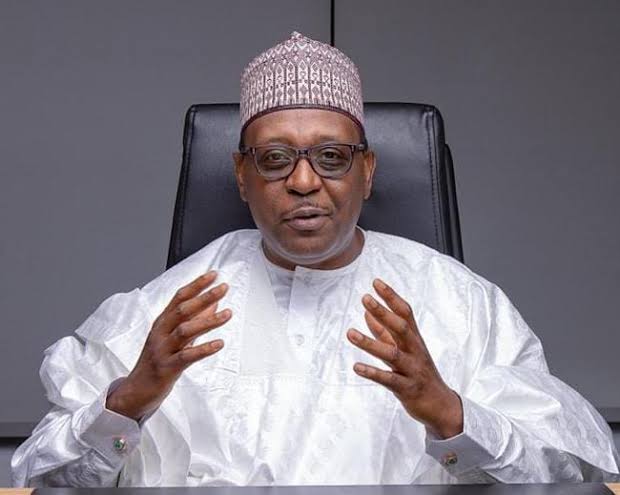
Despite repeated pledges to curb medical tourism, progress appears limited. The Coordinating Minister of Health and Social Welfare, Muhammad Ali Pate, had previously pledged to prioritise health security and reduce outbound medical travel, noting earlier that Nigeria loses about $2 billion annually to the practice while also pointing to emerging inbound medical visits.
Healthcare stakeholders, however, argue that systemic challenges remain unresolved. Former President of the Pharmaceutical Society of Nigeria, Olumide Akintayo, blamed deteriorating conditions in hospitals, citing inefficiencies, corruption, prolonged strikes and shortages of essential medicines as key drivers of outbound treatment.
According to him, gaps in drug availability — including cardiovascular, anti-diabetic, anti-cancer and antibiotic medicines — continue to push patients toward foreign facilities, while weak management of drug supply systems has worsened access.
President of the Nigerian Medical Association, Bala Audu, said most Nigerians seeking foreign exchange for treatment are likely managing chronic and advanced diseases, particularly cancers, but noted that limited data on the specific purpose of travel complicates policy responses.
He stressed that Nigerian medical professionals are globally competitive but face constraints due to inadequate equipment, lack of reagents and underfunded infrastructure, which sometimes forces laboratories to send tests abroad.
Former NMA President Mike Ogirima also warned that rising medical tourism is draining foreign reserves, arguing that poor hospital equipment and the migration of healthcare workers continue to widen treatment gaps.
The growing outflow comes as Nigeria seeks to stabilise its external reserves and strengthen the naira, with experts insisting that sustained investment in healthcare infrastructure, equipment and workforce retention is critical to reversing the trend.