
State governments have thrown their weight behind President Bola Ahmed Tinubu’s Executive Order 9 on the direct remittance of oil and gas revenues, arguing that the directive is more about enforcing constitutional compliance than boosting states’ earnings.
Chairman of the Forum of State Commissioners of Finance, Akintunde Oyebode, said the order would add an estimated N1.5 trillion to the Federation Account but stressed that the amount represents only a marginal increase compared with the scale of annual inflows.
Speaking on Arise News, Oyebode said the projected funds from management fees, frontier exploration charges and gas flaring penalties would have a single-digit impact on overall federation revenue, which he said exceeds N30 trillion yearly.
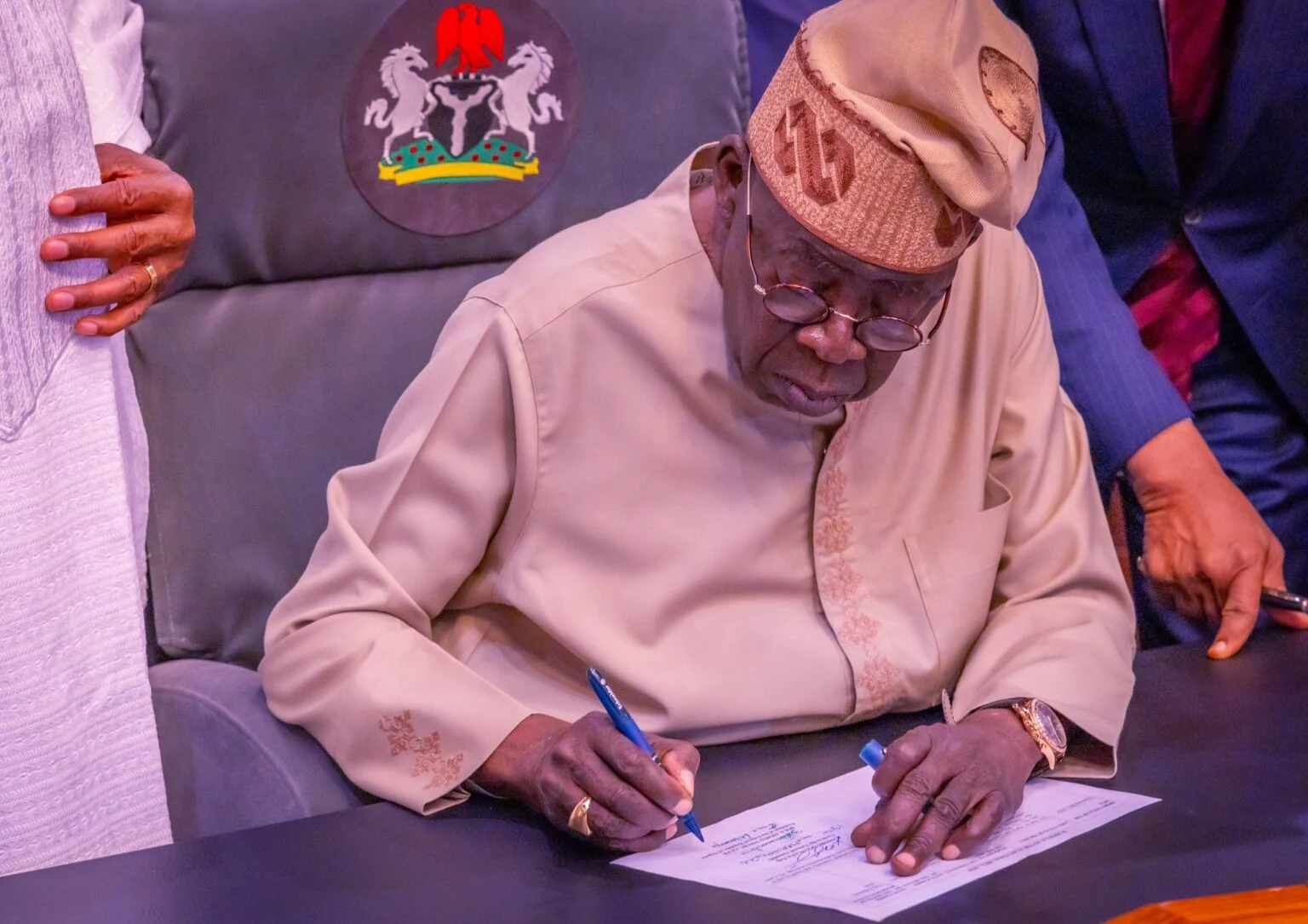
He explained that the objective of Executive Order 9, signed in February 2026, is to ensure oil and gas revenues due to the federation are remitted directly into the Federation Account, limiting deductions by agencies and requiring statutory inflows to be paid in full before any spending.
The directive has generated debate within the petroleum sector, with the Petroleum and Natural Gas Senior Staff Association of Nigeria warning that the policy could send negative signals to investors and urging its withdrawal.
Oyebode rejected suggestions that the policy would simply increase state allocations, insisting that the core issue is safeguarding federation revenues in line with constitutional provisions.
He also argued that larger leakages may lie beyond the specific items targeted by the order, citing what he described as a steep drop in joint venture inflows following the Petroleum Industry Act.
According to him, joint ventures contributed about $12bn before the law but now generate roughly $2bn, raising concerns about asset transfers, valuation and governance.
Addressing fears that the directive could disrupt operations at NNPC Limited, Oyebode said the amounts involved were relatively small compared with the company’s scale.
He referenced audited figures indicating NNPC recorded about N4.5 trillion profit in 2024 against revenues he estimated at N45 trillion.
The Presidency has defended Executive Order 9 as a measure to enforce constitutional revenue remittance rather than introduce new legislation.
Oyebode said any legal disputes should be resolved through the courts and urged stakeholders to wait for guidelines from the government’s implementation committee.
He added that investor concerns would depend on how the policy is executed, noting that existing agreements and contracts should not be affected if properly honoured.
Beyond the executive order, the commissioner addressed broader criticism of state finances, saying revenues shared through the Federation Account belong to all tiers of government rather than being “given” by the Federal Government.
He claimed domestic debt levels in many states have declined by between 15 and 20 per cent in recent years, while increases in the naira value of foreign debt were largely driven by exchange-rate movements.
He also dismissed claims that states borrow to fund recurrent expenditure, noting that multilateral loans are typically used for infrastructure and development programmes.
Oyebode further pointed to transparency reforms under the World Bank-supported State Fiscal Transparency, Accountability and Sustainability programme, saying states now publish budgets, procurement records, quarterly implementation reports and audited financial statements to strengthen public oversight.

- Kano to launch state-owned airline — Gov Yusuf - July 24, 2026
- Fake doctor confesses treating 15 patients before arrest - July 24, 2026
- Air Force strikes ISWAP hideout, kills terrorists in Lake Chad operation - July 24, 2026