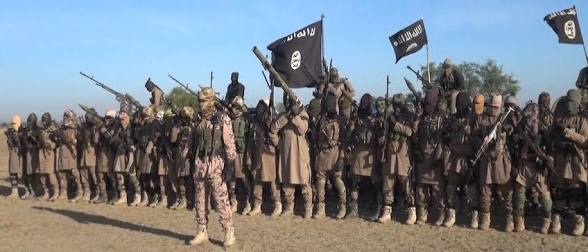
Two recently freed abductees have provided new insight into the increasingly sophisticated logistics and coercive tactics employed by terrorists operating within the Kainji Forest Reserve, heightening fears over the depth of insurgent entrenchment in the area.
The victims, Badiyu Hamidu and Saminu Isah, regained their freedom on Monday and arrived in Babanna around 11:00 a.m., offering what security sources describe as “valuable human intelligence” on activities inside the forest.
According to their testimony, at least 10 trucks loaded with grains, yams, and other food items were delivered to a major terrorist camp deep in the reserve. The volume of supplies, analysts say, points to a well-organised logistics network designed to sustain long-term insurgent operations.

More troubling is the victims’ account that abducted civilians were forced at gunpoint to offload the supplies—an emerging pattern of forced labour increasingly used by armed groups to minimise exposure and preserve operational secrecy.
The freed captives also reported seeing young boys positioned as guards during the offloading process, reinforcing concerns about the continued use and radicalisation of minors within extremist networks.
The terrorists, the victims added, accused nearby communities of “betrayal” for attempting to flee the area. They claimed that they had previously allowed locals to access farming, fishing, mining, and logging opportunities inside the forest—activities officially restricted by the government. Security experts interpret this as a form of shadow governance, through which insurgent groups create parallel economic structures to secure community compliance.
However, the backlash against fleeing residents suggests a shift from seeking cooperation to enforcing control through intimidation as military pressure mounts.
“Their complaints about betrayal show that voluntary community support is shrinking, and the groups are increasingly resorting to coercion,” one security source observed.
Kainji Forest has evolved into a major corridor for insurgent and criminal activities, aided by its rugged terrain and minimal state presence. The significant stockpiling of food and supplies, analysts warn, may indicate preparations for prolonged confrontation in response to ongoing and expected counter-terrorism operations.

- Are you saying my father wasn’t well raised? — Kogi varsity VC replies commenter - September 29, 2026
- My bad game equals 400 games from others — Yamal - September 29, 2026
- Messi closes in on all-time free-kick record with 76th goal - September 29, 2026