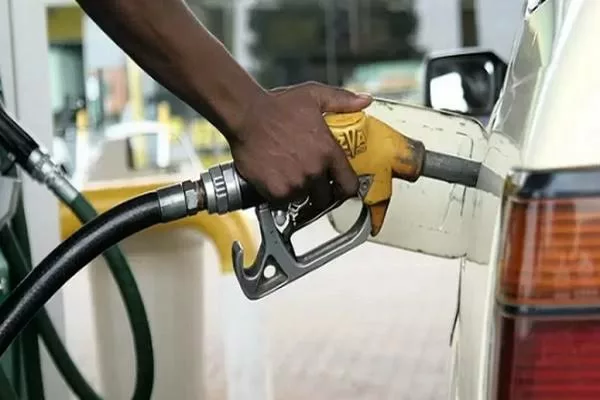
The cost of Premium Motor Spirit (petrol) in Nigeria has surged by about 643 per cent in three years, rising from roughly N175 per litre in May 2023 to as high as N1,300 in May 2026, according to market data.
The sharp increase followed the removal of fuel subsidies shortly after President Bola Tinubu assumed office on May 29, 2023. The policy change immediately pushed pump prices upward, with petrol rising from about N175–N200 to over N500 per litre in the early months of the administration.
The depreciation of the naira and continued foreign exchange pressures further worsened import costs, while global oil market disruptions have also contributed to recent price spikes.
Three years later, petrol now sells between N1,300 and N1,400 across filling stations, depending on location and supply conditions. Prices had hovered around N800 earlier in 2024 before climbing again amid international tensions, including disruptions linked to Middle East conflicts affecting crude oil supply routes.
Following subsidy removal, the Nigerian National Petroleum Company Limited initially absorbed part of the cost gap through what was later described as an “implicit subsidy” or under-recovery arrangement, selling petrol below landing cost for several months before adjusting prices upward.
Former NNPC officials have acknowledged that fuel was being sold below import costs during that period, leading to fiscal pressure on government finances.
The entry of the Dangote Petroleum Refinery into the market briefly moderated prices in 2024, with petrol selling between N800 and N900 before another round of global oil shocks triggered fresh increases.
Economists say the latest price surge has worsened inflation, increased transport costs, and further strained household incomes. They note that rising fuel prices have had a direct impact on food prices and general cost of living.
Energy experts have urged government intervention, including targeted cash transfers to vulnerable households, arguing that broad wage adjustments alone are insufficient as most Nigerians work in the informal sector.
Industry stakeholders, including petroleum retailers, warn that prices could rise further if global tensions persist, with projections suggesting petrol could exceed N1,500 per litre under worsening conditions.
However, the Federal Government has maintained that it will not return to fuel subsidies or introduce price controls, insisting on a market-driven pricing system.
Officials say the subsidy removal is a permanent reform aimed at reducing fiscal distortions and encouraging efficiency in the downstream petroleum sector, despite the short-term economic hardship faced by citizens.

- Rainbow Coalition has reduced political hostility in FCT — Wike - October 23, 2026
- Nigerian Breweries unveils digital learning centre in Abuja school - October 23, 2026
- Unilever Nigeria’s nine-month profit rises 20% to N26.4bn - October 23, 2026