

Oil prices retreated on Thursday, July 30, 2026, after a sharp rally in the previous session, as traders assessed the impact of escalating conflict in the Gulf against continued crude supply from the region’s key export routes.
Brent crude futures fell 96 cents, or 1.06 per cent, to $89.78 per barrel as of 0418 GMT, while U.S. West Texas Intermediate (WTI) crude declined 64 cents, or 0.76 per cent, to $83.82 per barrel.
The losses came after Wednesday’s rally, which saw Brent jump 7.91 per cent and WTI gain 6.56 per cent following renewed military tensions involving the United States and Iran.

The gains had erased a 5 per cent drop recorded on Tuesday after a temporary lull in the five-month conflict.
Market sentiment was initially boosted after United States President Donald Trump warned that Washington would strike Iran “very hard” in response to an Iranian missile attack on a U.S. military base in Jordan.
Tensions intensified further as the United States and Saudi Arabia launched airstrikes against Iran-backed paramilitary groups in Iraq in retaliation for drone attacks on Saudi oil infrastructure.
The U.S. Central Command also confirmed that American forces carried out two hours of strikes on Iranian targets on Wednesday.
However, analysts said the market’s attention has shifted from military developments to whether oil exports from the Gulf will be disrupted.
Stock market investors lose N648bn amid sell-offs
The Vice President of Commodity Markets (Oil) at Rystad Energy, Lin Ye, told Reuters that geopolitical headlines continue to trigger sharp price rallies, but those gains tend to fade when supply remains largely unaffected.
According to Ye, investors are increasingly assessing the conflict based on its actual impact on oil flows rather than political rhetoric alone.
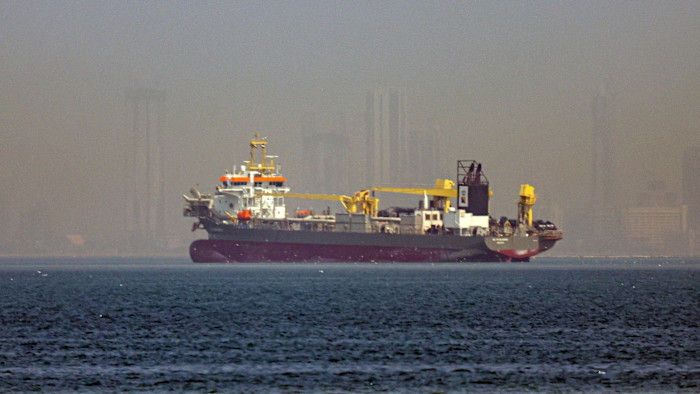
Despite Iran’s closure of the Strait of Hormuz after the outbreak of the U.S.-Israeli conflict on February 28, crude exports from the Gulf have continued.
Rystad Energy estimates that around 13 million barrels of oil per day are still reaching global markets from the region.
The firm also noted that while the Iran-backed Houthi movement imposed a naval blockade on Saudi Arabia in the Red Sea on July 20, disrupting shipping through the Bab el-Mandeb Strait, some oil cargoes – particularly those transported by Chinese-linked tankers – have continued to move to international markets, helping to ease supply concerns.

- Kaduna govt: We’ve retrieved 500,000 hectares of land from bandits, farmers now go to farms - September 15, 2026
- ‘We’re for Asiwaju’: Northern students endorse Tinubu for 2027 election - September 15, 2026
- Obi challenges Anambra govt: Prove I left debt, I’ll quit campaign - September 15, 2026