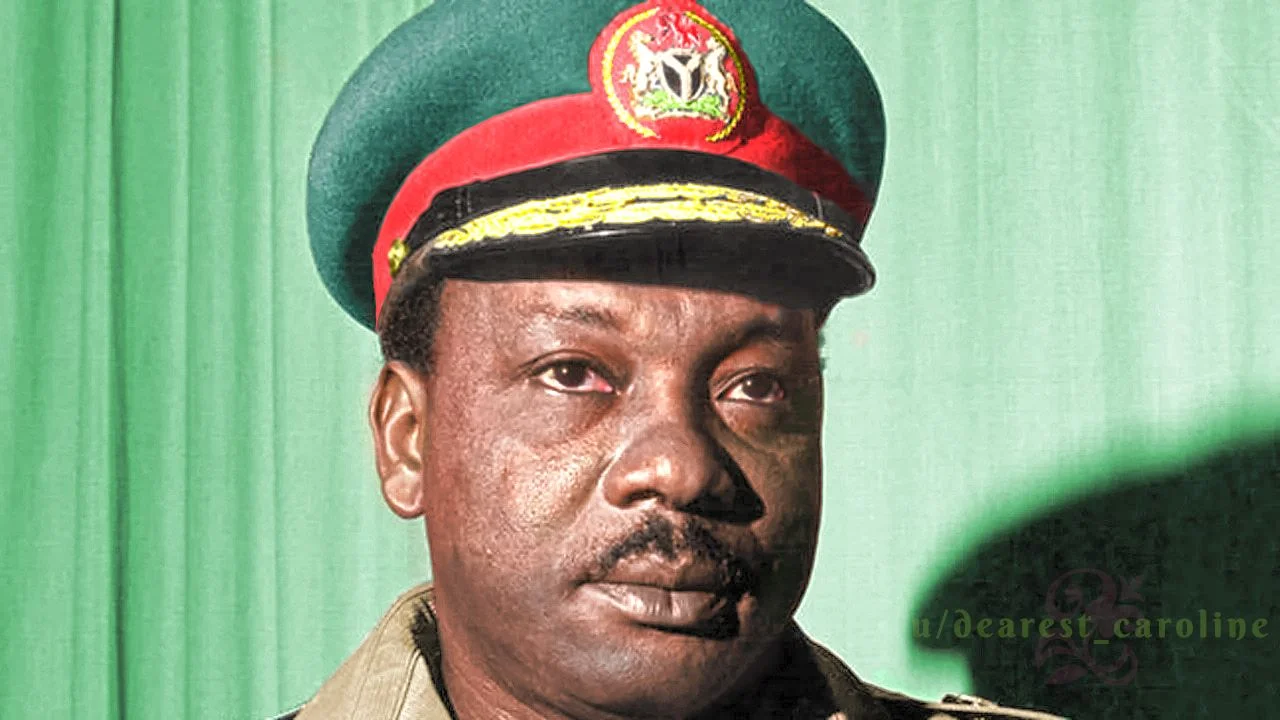
The family of Nigeria’s first military Head of State, Major General Johnson Aguiyi-Ironsi, has called on the Federal Government to apologise and pay compensation over his assassination during the July 1966 counter-coup.
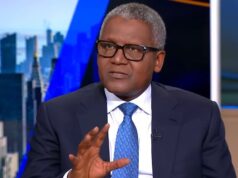
The demand was made by the head of the Aguiyi-Ironsi family, Imo Aguiyi-Ironsi, during an interview on Arise News on Thursday.
He said the family was seeking a sincere apology, compensation and reconciliation, insisting that the late military leader was unfairly blamed for events he did not initiate.
“I think the family needs an apology. The family needs to be compensated. We need a sincere apology. We need sincere reconciliation,” he said.
Imo described Aguiyi-Ironsi as a visionary and detribalised leader whose brief tenure was cut short despite having no involvement in the January 15, 1966 military coup.
“He was a man of vision. He was a detribalised Nigerian. He was a good leader,” he said.
According to him, Aguiyi-Ironsi became Head of State solely because he was the most senior military officer after the January coup and was later killed because of that position.
“He occupied the seat of Head of State for only six months, and he was taken away from us. Not because of a sin he committed, because he wasn’t part of the January 1966 coup.
“Only because of his position as the most senior military officer, he was told to take charge. And then that cost him his life,” he added.
He expressed hope that those in positions of authority would consider the family’s appeal.
Aguiyi-Ironsi assumed office as Nigeria’s Head of State on January 16, 1966, following the January 15 military coup that claimed the lives of several political leaders.
Although he survived the coup and restored order, his promulgation of Decree No. 34, which replaced Nigeria’s federal structure with a unitary system, and the perceived handling of the coup plotters generated resentment among some northern military officers.
On July 29, 1966, Aguiyi-Ironsi was overthrown and killed alongside his host, Lt. Col. Adekunle Fajuyi, during a counter-coup staged by northern soldiers, an event that marked a turning point in Nigeria’s political history.

- Katsina deploys 238 tricycle ambulances to rural health centres - September 15, 2026
- Over 1,100 terrorists neutralised under outgoing OPHK commander - September 15, 2026
- Dangote blames petrol smuggling for high prices in Nigeria - September 15, 2026