Disagreements among members of the House of Representatives ad hoc committee investigating the purported Presidential Foreign Investment Promotion Council have delayed the completion of its report.
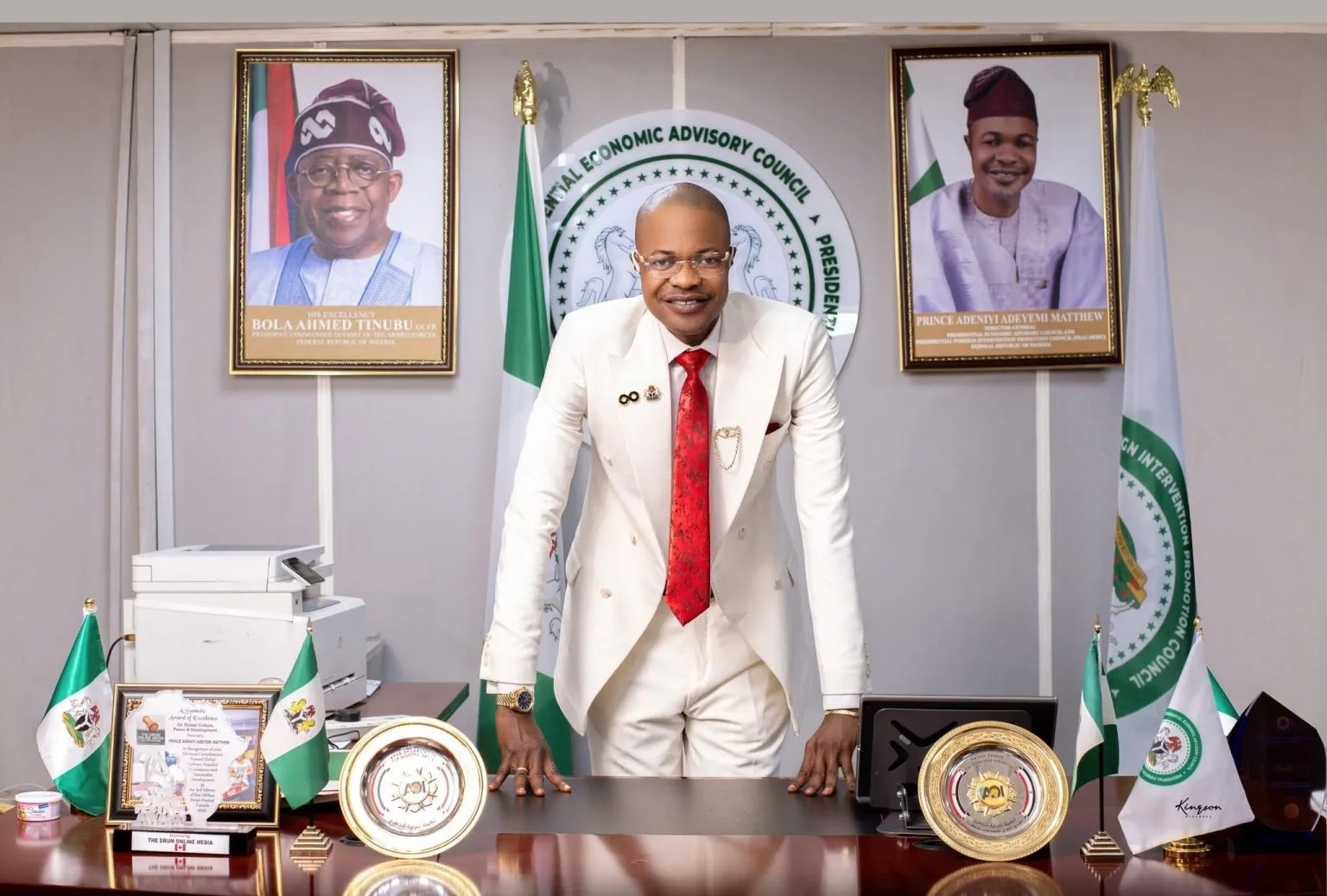
The 12-member committee, chaired by Yusuf Gagdi, has been investigating how the alleged agency gained recognition within government institutions despite the Presidency’s position that it was fictitious.
The panel, which has been sitting for more than a month, is now working on its final report for presentation to the House when plenary resumes.
As part of its investigation, the committee questioned several senior government officials, including the Head of the Civil Service of the Federation, Didi Walson-Jack; the Central Bank of Nigeria’s Director of Banking Services, Hamisu Abdullahi; Director-General of the Budget Office of the Federation, Tanimu Yakubu; and the Head of the Federal Projects Financial Management Department in the Office of the Accountant-General of the Federation, Joshua Luka.
The officials were asked to explain how the purported agency and its alleged Director-General, Adeniyi Adeyemi, were able to gain access to government processes and institutions.
The government officials reportedly told the committee that they acted based on information and documents presented by Adeyemi, who had represented himself as the agency’s Director-General.
Adeyemi had alleged that he paid N400m to the Chief of Staff to President Bola Tinubu, Femi Gbajabiamila, through a proxy to facilitate his appointment. He later clarified that he had never met Gbajabiamila personally.
Both the Presidency and Gbajabiamila denied the allegation, maintaining that the purported agency did not exist and accusing Adeyemi of forging official documents.
The Independent Corrupt Practices and Other Related Offences Commission, which separately investigated the matter, cleared the Presidency of wrongdoing and recommended Adeyemi’s prosecution.
However, attempts by the House committee to conclude its investigation have reportedly been slowed by disagreements over whether Adeyemi should testify publicly and whether Gbajabiamila should be invited to respond to the allegations.
The committee had earlier indicated that it would question Adeyemi at an undisclosed location, but he reportedly insisted on appearing publicly in the presence of journalists and his lawyers.
A source familiar with the proceedings said some committee members were also opposed to concluding the report without giving Gbajabiamila an opportunity to address the allegation in which his name featured.
“Some of the committee members feel there should have been a presentation from Gbajabiamila since Adeyemi is alleged to have mentioned his name in the saga. So, writing a report without listening to him may attract criticism from the public,” the source said.
The source added that some members wanted the committee to approach the court for permission to have Adeyemi testify publicly.
The disagreements have also stalled an earlier plan by the committee to brief journalists on its findings after questioning the government institutions involved.
Meanwhile, civil society organisations have raised concerns over the credibility and scope of the parliamentary investigation.
Amnesty International Nigeria described the controversy as evidence of weaknesses within Nigeria’s governance institutions and called for an independent panel to investigate the circumstances surrounding the purported agency.
Its Country Director, Isa Sanusi, said the ability of a purported government agency to penetrate several government institutions demonstrated serious institutional weaknesses.
He also criticised the House investigation, arguing that government officials should not be left to investigate issues involving their colleagues and institutions.
Similarly, Transparency International Nigeria warned that the committee could conclude its investigation without addressing key questions surrounding the controversy.
Its Executive Director, Auwal Rafsanjani, said the matter went beyond allegations of impersonation and forgery against Adeyemi.
He questioned how an organisation the Presidency described as non-existent could allegedly gain recognition across government institutions, secure office accommodation within the Federal Secretariat and appear in the 2026 Appropriation Act with an allocation of more than N1.3bn.
Rafsanjani urged the committee to hear from all individuals whose roles or names are materially connected to the controversy before finalising its report.

- Police arrest man of raping, impregnating 12-year-old in Abuja - October 3, 2026
- IEDs block rescue as drone locates NYSC abductors’ camp — Imo CP - October 3, 2026
- BOA, AFAN roll out dry-season funding for 400,000 farmers - October 3, 2026