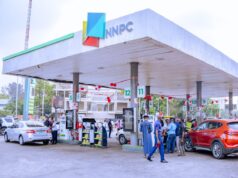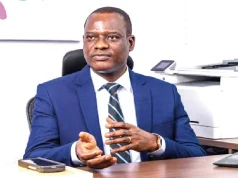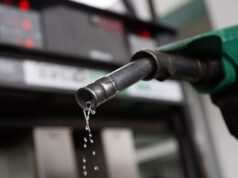


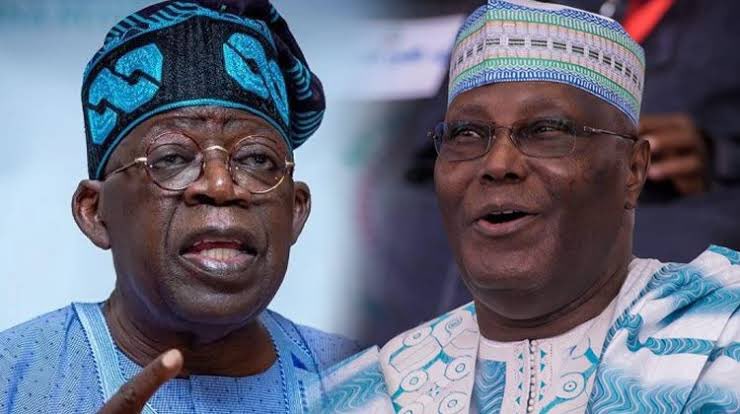
The Presidency has criticised former Vice President Atiku Abubakar’s proposal to restore petrol subsidy if elected president, describing the plan as economically unsustainable, legally complicated, and a reversal of reforms already implemented in the petroleum sector.
The Special Adviser to the President on Information and Strategy, Bayo Onanuga, in a statement on Thursday, August 20, 2026, said Atiku’s position represented a complete departure from his earlier stance in support of subsidy removal during the 2023 presidential campaign.
Onanuga said the former vice president’s latest promise was driven by political considerations rather than sound economic planning.
Onanuga noted that the fuel subsidy regime, which officially ended in 2023 under the Petroleum Industry Act (PIA), had imposed enormous fiscal burdens on the country through under-recovery of costs, increased borrowing and huge debts.
He dismissed Atiku’s claim that the Federal Government realised about N30 trillion in savings from subsidy removal, insisting that no such windfall exists.
“The subsidy was never a pool of money available for distribution. It was the difference between the cost of importing petrol and the regulated pump price, which created huge financial losses,” Onanuga said.
The presidential spokesman further noted that restoring subsidy would require fresh legal, fiscal and administrative measures, including amendments to existing petroleum laws and identification of funding sources.
He stressed that Nigeria’s petroleum sector had changed significantly with the commencement of large-scale domestic refining, particularly by the Dangote Refinery, reducing dependence on imported fuel.
Atiku proposes targeted fuel subsidy for local refineries
Onanuga said reintroducing subsidy could discourage local refining, threaten smaller refineries, reduce foreign exchange earnings, and reverse gains made in the downstream sector.
Onanuga also argued that funds previously spent on subsidy now accrue to the three tiers of government, enabling states to improve salary payments and execute infrastructure projects.
He added that the President Bola Tinubu administration was pursuing alternative measures to cushion the impact of higher fuel prices, including the promotion of Compressed Natural Gas (CNG), which it said is about 70 per cent cheaper than petrol.
Onanuga urged politicians to provide detailed fiscal plans for campaign promises, asking Atiku to explain how a restored subsidy would be funded, its annual cost, and whether the National Assembly would be required to amend the Petroleum Industry Act.
The presidential spokesman maintained that Nigeria should focus on strengthening domestic refining, competition and energy security rather than returning to what it described as an opaque and fiscally burdensome subsidy regime.

- OAU lecturer wins $5m Gates Foundation grant to tackle maternal deaths in Nigeria - October 9, 2026
- Wike orders demolition of illegal beer parlours in Abuja - October 9, 2026
- FG bars MDAs from buying vehicles from unregistered suppliers - October 9, 2026