

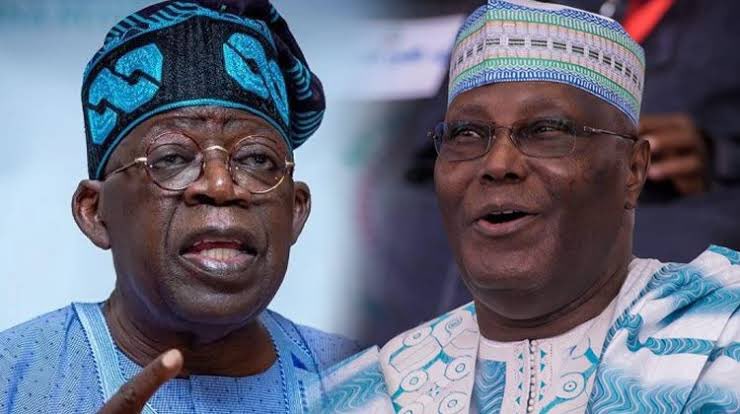
The Presidency has accused former Vice President Atiku Abubakar of taking contradictory positions on petrol subsidy, saying his latest comments reflected policy inconsistency rather than a coherent economic plan.
The Special Adviser to the President on Information and Strategy, Bayo Onanuga, in a statement issued on Wednesday, August 26, 2026, said Atiku had offered three different explanations within a week on how he would handle petrol subsidy if elected president, describing the shifting positions as evidence of political opportunism.
Atiku’s spokesperson, Paul Ibe, had initially stated that the former vice president would restore petrol subsidy temporarily before phasing it out to provide relief for Nigerians and businesses.
Another aide, Phrank Shaibu, later dismissed that explanation as “unauthorised and misleading,” insisting that any subsidy would remain until domestic refining capacity expanded, fuel supply stabilised, competition deepened, and market conditions could sustain affordable prices without government intervention.
The African Democratic Congress (ADC) presidential candidate subsequently reaffirmed his original position, saying he would restore a “targeted subsidy” if elected and maintain that his stance had not changed.
However, Onanuga argued that the differing explanations exposed a lack of clarity on one of Nigeria’s most critical economic policies.
“If Atiku’s position has not changed, why did one of his principal aides say the subsidy would be temporary and phased out? Why did another senior aide publicly reject that explanation and propose an entirely different framework?” he stated.
The presidential spokesman further challenged Atiku to explain how a targeted subsidy would operate, including its projected cost, funding source, intended beneficiaries and the criteria for determining when it should end.
Onanuga noted that petrol prices are influenced by several factors beyond government subsidy, including international crude oil prices, exchange rates, refining costs, transportation and distribution expenses.
Atiku rejects aide’s subsidy plan, says ‘I will restore it’
“We therefore urge Atiku to stop shifting positions and explain precisely what he means by ‘targeted subsidy’: how much will it cost, who will benefit, how will beneficiaries be identified, how will it be funded, and what objective economic conditions will determine its eventual termination?” the presidential spokesman said.
Onanuga maintained that while fuel prices contribute to transportation costs, they are not the sole driver of food inflation, noting that Nigeria experienced rising food prices even when petrol subsidies were in place.
He said agricultural productivity, insecurity, exchange rates, logistics, flooding, storage, production costs and supply constraints all contribute to inflation and should be addressed through broader economic reforms.
Defending President Bola Tinubu’s economic policies, Onanuga said the removal of petrol subsidy had strengthened the fiscal position of the federal, state, and local governments while contributing to macroeconomic stability.
He also questioned Atiku’s proposal to tie subsidy to crude oil prices, arguing that petrol represents only about 45 per cent of the products obtained from refining a barrel of crude oil.
According to him, other refined products such as diesel, aviation fuel, and kerosene have long been deregulated, raising questions about whether the former vice president would also subsidise those products.
Onanuga stressed that Nigerians deserved a transparent and costed petroleum policy rather than what he described as “policy somersaults, incoherence, destructive populism and election gimmicks.”

- Oyebanji re-appoints SSG, CPS, chief of staff - October 17, 2026
- WAEC: 56,000 candidates register for 2026 private WASSCE - October 17, 2026
- Banks raise N4.65trn in fresh capital — CBN - October 17, 2026