


The Federal Government is considering introducing assessment tests for Nigerians who obtain degrees from foreign universities before approving their qualifications for mobilisation into the National Youth Service Corps (NYSC).
The proposed measure is aimed at verifying that foreign degrees reflect genuine academic achievements and meet Nigeria’s required educational standards.
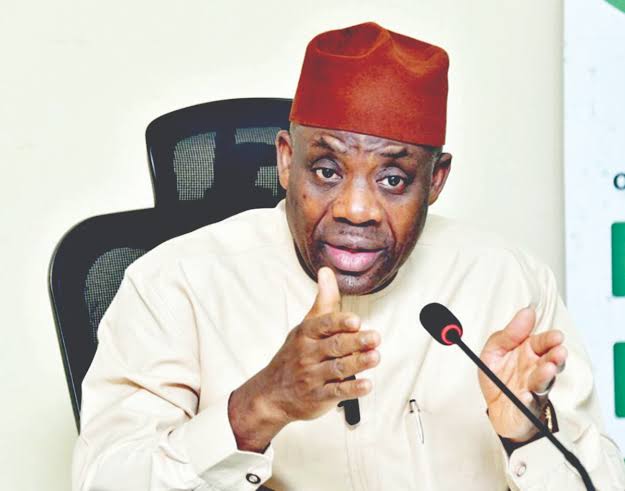
Acting Permanent Secretary of the Federal Ministry of Education, Dr Folake Olatunji-David, disclosed this on Monday at the 37th meeting of the National Standing Committee on Evaluation of Foreign Qualifications in Abuja.
She said the proposal was particularly necessary amid the increasing number of Nigerians obtaining degrees from foreign institutions, especially in West African countries.
Olatunji-David urged the committee to consider the introduction of assessment tests as part of the evaluation process for foreign graduates seeking NYSC mobilisation.
“We must ensure that the standard of education in Nigeria is not lowered by allowing all manner of foreign qualifications that are not recognised, to be paraded by Nigerians without the corresponding learning achievement.
“In as much as we want to encourage global socialisation, education, and the rest of them because the world is a global village now, we want to maintain standards,” she said.
She added that the government wanted to ensure that certificates were genuinely earned and that their holders possessed the knowledge and skills needed to contribute to national development.
The acting permanent secretary also expressed concern over the rising cases of forgery of Nigerian and foreign degree certificates, saying the ministry was taking steps to address the problem.
She described the committee as a critical mechanism for safeguarding the integrity of Nigeria’s education system by ensuring that only genuine and duly accredited foreign qualifications were recognised.
Ogun: Corps members packed into hall as NYSC camp faces bed shortage
Olatunji-David said the ministry had recorded progress in verifying the accreditation status of foreign institutions, issuing clearance letters for NYSC mobilisation, authenticating certificates and granting no-objection letters.
She also disclosed that the evaluation of foreign certificates and authentication of Nigerian certificates had been automated and digitalised since the beginning of 2026.
According to her, the digitalisation has streamlined the process and improved the ministry’s revenue generation, with fees remitted into government accounts.
The committee is also expected to deliberate on guidelines for issuing no-objection letters required for registering proposed institutions with the Corporate Affairs Commission.
Other issues slated for consideration include compliance by foreign-curriculum secondary schools operating in Nigeria with the country’s education policy on public examinations.
Olatunji-David said such schools must prepare students for examinations conducted by recognised bodies, including the West African Examinations Council, National Examinations Council, National Business and Technical Examinations Board and National Board for Arabic and Islamic Studies, as applicable.
She stressed that students must sit for at least one of the recognised examinations before graduating, irrespective of their intended destination for higher education.
The committee will also examine the recognition of foreign secondary school qualifications, including Higher School Diplomas issued in the United States and Canada and Baccalaureate certificates awarded by French schools.
Other areas of deliberation include monitoring Nigerians studying in African institutions through institutional visits and recognising foreign regulatory bodies responsible for providing information on accredited institutions through diplomatic channels.
Earlier, the Director of Education Support Services in the ministry, Gabriel Amudipe, said the committee’s work was essential to improving learning outcomes, institutional performance and quality assurance across the education sector.
He urged members to remain objective, fair and firm in evaluating foreign qualifications to ensure that genuine certificates were recognised while those that failed to meet the required standards were rejected.

- FG considers test for Nigerians with foreign degrees before NYSC - November 9, 2026
- ICPC files 36 fresh charges against fake agency DG, four others - November 9, 2026
- 2027: FCT monarchs pledge massive support for Tinubu’s re-election - November 9, 2026