

Lukman Abdulmalik
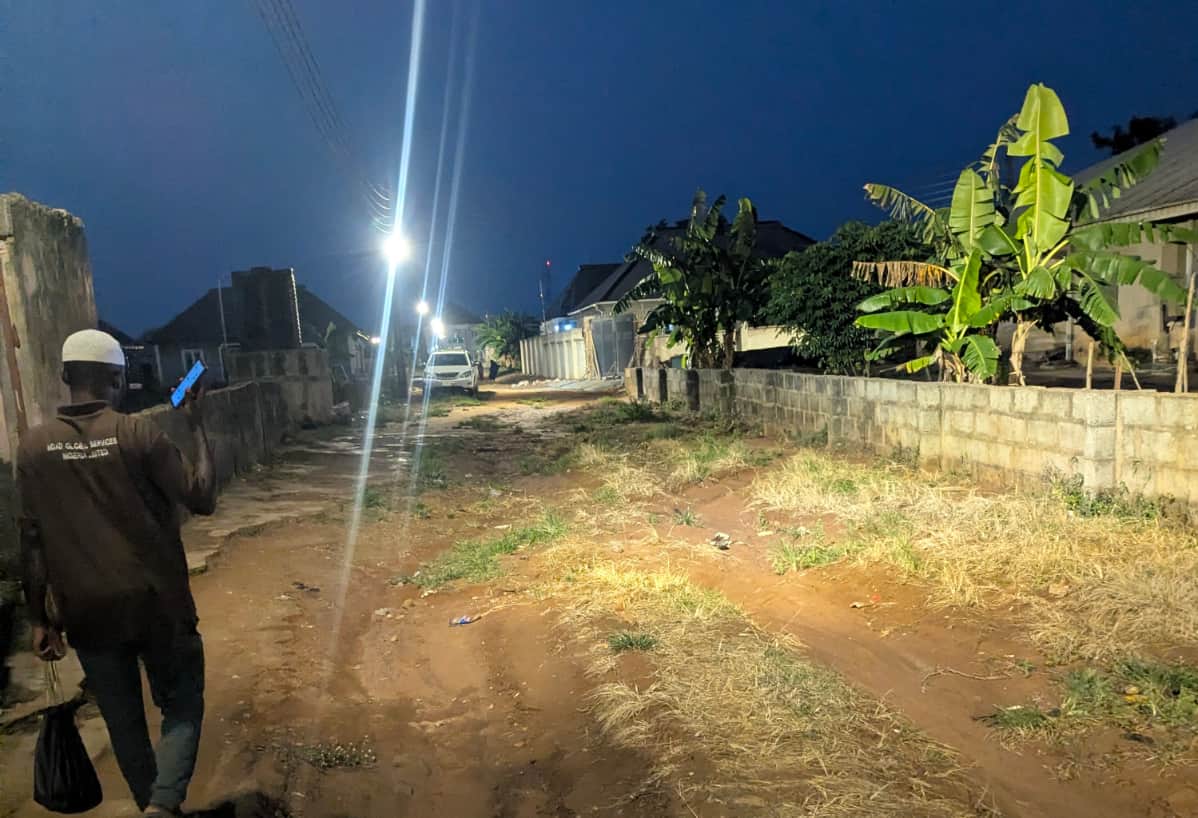
For Aisha Sulaiman, the return of electricity to Olayemi community in Alimosho Local Government Area of Lagos State on Thursday evening brought relief after a month of spending heavily to keep her household running without power.
During the prolonged blackout, Sulaiman spent more than N300,000 on diesel to power her generator, an expense that placed additional pressure on her family’s finances.
The month-long outage forced her household to depend on alternative electricity sources for basic needs, turning what should ordinarily be a routine utility expense into a major financial burden.
Like many residents, she welcomed the restoration of power on Thursday evening after weeks of coping with darkness and the rising cost of fuel.
But while households struggled with the additional expenses, the impact on small businesses was even more severe.
For Opeyemi Isaac, a frozen fish seller in the community, the blackout meant putting her business on hold for an entire month because she could not afford the cost of petrol to power a generator.
Isaac said she lost sales estimated at between N600,000 and N1m during the period, as she could not operate her business without reliable electricity to preserve her products.
Her experience highlights the vulnerability of small-scale traders whose livelihoods depend on consistent electricity supply, particularly those dealing in perishable goods.
For a frozen fish seller, electricity is essential to maintaining stock and preventing spoilage. Without it, continuing operations can expose the trader to further financial losses.
The inability to afford petrol meant Isaac could not sustain her business through the blackout, leaving her without the sales she would ordinarily have made over the month.
The consequences of the outage extended beyond business owners to households that had to spend additional money on fuel to meet their daily electricity needs.
N639bn gas debt threatens Nigeria’s electricity supply
For Sulaiman, the more than N300,000 spent on diesel represented money that could otherwise have gone towards food, children’s needs and other household expenses.
Residents expressed excitement when electricity was restored on Thursday evening, hoping the supply would remain stable after a month of disruption.
However, the experience has raised fresh concerns about the financial pressure unreliable electricity places on households and small businesses, particularly those operating with limited resources.
While the restoration has brought immediate relief to Olayemi residents, the losses suffered during the blackout remain a burden for affected households and traders.
For Isaac, returning to business will mean rebuilding after a month without sales, while Sulaiman and other residents will hope they no longer have to spend hundreds of thousands of naira to keep their homes powered.

- Morocco tipped to retain AFCON title as CAS prepares final verdict - November 23, 2026
- Four killed as gunmen attack Omo-Agege’s campaign rally in Delta - November 23, 2026
- APC dares authors of fake INEC letter to provide evidence - November 23, 2026