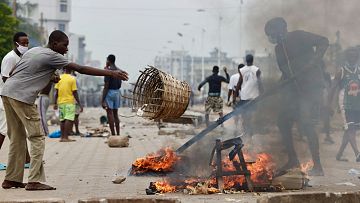
At least seven people have been killed and many more injured in Togo’s capital, Lomé, amid violent anti-government protests sparked by sweeping constitutional changes that could extend President Faure Gnassingbé’s grip on power.
According to civil society groups, security forces used tear gas and batons to disperse demonstrators, with videos circulating online showing alleged brutality by police.
The protests took place despite a nationwide ban on demonstrations imposed in 2022.
Triggered by reforms passed earlier this year, the unrest reflects mounting public anger over Gnassingbé’s appointment in May as President of the Council of Ministers—a powerful role without term limits.
The presidency, now largely ceremonial, has been handed to Jean-Lucien Kwassi Savi de Tove.
Critics, including opposition politicians, have condemned the new system as a “constitutional coup” designed to allow Gnassingbé, in power since 2005, to remain indefinitely.
Civil groups and online activists had called for mass protests from June 26 to 28, defying state repression and an escalating crackdown.
In response, authorities restricted internet access, with social media platforms operating erratically.
The developments have drawn regional concern, as Togo becomes the latest West African nation facing democratic backsliding amid a wave of military coups and rising authoritarianism.

- UBA, NiDCOM strengthen ties to mobilize diaspora investment for Nigeria - March 18, 2026
- Malami breaks silence, thanks allies amid legal battle - March 18, 2026
- Insecurity: Yobe orders closure of recreational centers - March 18, 2026