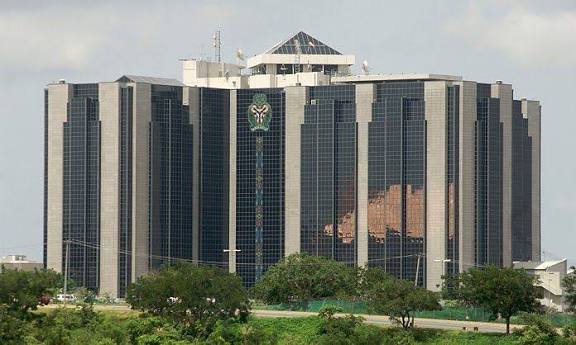
The Central Bank of Nigeria (CBN) has approved a temporary measure permitting importers to use expired National Agency for Food and Drug Administration and Control (NAFDAC) licences for import documentation, easing pressure on businesses affected by recent changes in Nigeria’s trade processing systems.
In a circular dated January 26, 2026, and issued by its Trade and Exchange Department, the apex bank announced that authorised dealer banks may continue to process Form M applications with NAFDAC licences that expired on December 31, 2025.
According to the circular, the approval takes immediate effect and will remain valid for a two-month period, ending on February 28, 2026.
The document, signed by Aliyu M. Ashiru on behalf of the Director of the Trade and Exchange Department, stated that the decision followed a temporary dispensation granted by NAFDAC, allowing the continued use of the affected licences strictly for Form M processing within the approved window.
The CBN explained that the measure became necessary due to operational challenges arising from the migration from the legacy Nigeria Integrated Customs Information System II to a new platform. It noted that importers have been unable to validate or renew NAFDAC licences since December 2025, largely due to difficulties encountered on the B’Odogwu platform.
To prevent delays and disruptions in import documentation, the bank directed authorised dealer banks to continue accepting the expired licences during the dispensation period.
The CBN stressed that the approval is time-bound and will lapse automatically on February 28, 2026, urging banks to comply strictly with the stated terms. It added that the initiative is aimed at ensuring continuity in trade transactions while NAFDAC completes the integration of its systems with the National Single Window.
In October 2025, the Federal Government unveiled the National Single Window and a Trade Facilitation Portal as part of efforts to digitalise and streamline Nigeria’s import and export processes. The platform, championed by the Minister of Industry, Trade, and Investment, Dr Jumoke Oduwole, is designed to reduce bureaucracy, improve transparency, and boost Nigeria’s global trade competitiveness.
The government has set March 2026 as the target date for the National Single Window to become fully operational.

- SERAP urges Tinubu to probe ₦5.9bn spent on NNPC rebranding - March 15, 2026
- Bandits kill Zamfara college director after family paid ₦25.7m ransom - March 15, 2026
- Death of Zamfara bandit commander Alti triggers turf wars among armed groups - March 15, 2026