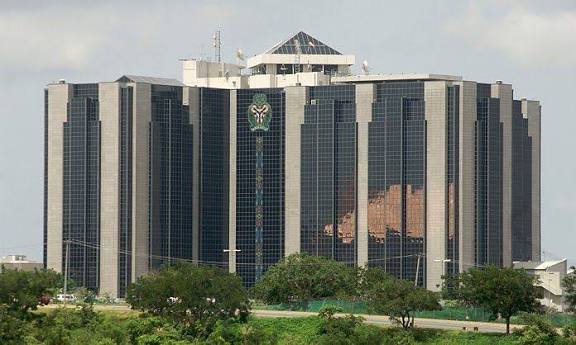
The Central Bank of Nigeria (CBN) has moved decisively against chronic loan defaulters, announcing sweeping restrictions on banking services for individuals and companies with substantial non-performing loans.
The directive, issued on Wednesday, follows comments by CBN Governor Olayemi Cardoso at the 4th Annual IMF/AFRITAC West 2 High-Level Executive Forum in Abuja.
Cardoso declared that the era of leniency toward delinquent borrowers has come to an end, stressing that the apex bank is strengthening corporate governance to protect the N4.61 trillion recently injected into the banking sector.
“Our stance on corporate governance is unequivocal: zero tolerance for violations,” the Governor said.
“By ending years of regulatory forbearance, we have reinforced accountability, tightened supervision, and elevated compliance standards across the sector.”
Under the new rules, the CBN will bar “large-ticket obligors”—borrowers with significant debts already classified as non-performing—from accessing fresh credit or key banking instruments such as letters of credit, performance bonds, and other contingent liabilities.
The measure aims to stop defaulters from “credit jumping,” a practice where borrowers move between financial institutions to secure additional loans despite outstanding debts.
“This restriction on banking services to non-performing large-ticket obligors underscores our commitment to credit discipline, financial integrity, and accountability,” the CBN stated.
The regulator says the policy is designed to instil a long-absent “culture of repayment,” safeguard depositors’ funds, and strengthen the stability of the financial system.
For years, banks have battled with high-profile borrowers—both wealthy individuals and large corporations—who take out huge loans and fail to repay, putting the system at risk.
Cardoso also reaffirmed the CBN’s return to orthodox monetary policy, focusing on price stability and traditional monetary tools to tame inflation and restore confidence in the naira.
This marks a departure from the previous era of large-scale intervention programmes and direct lending across various sectors.
“The CBN remains firmly anchored in orthodox monetary policy, focused on restoring price stability, strengthening policy credibility, and anchoring expectations through discipline and consistency,” Cardoso said.
The clampdown signals a new chapter in Nigeria’s financial regulatory environment—one that prioritises accountability, transparency, and systemic stability.

- ASUU gives FG four-day ultimatum on new salary structure - March 27, 2026
- Nigeria loses N40trn yearly to power outages - March 27, 2026
- 32 govs, 8,453 delegates storm Abuja for APC convention - March 27, 2026