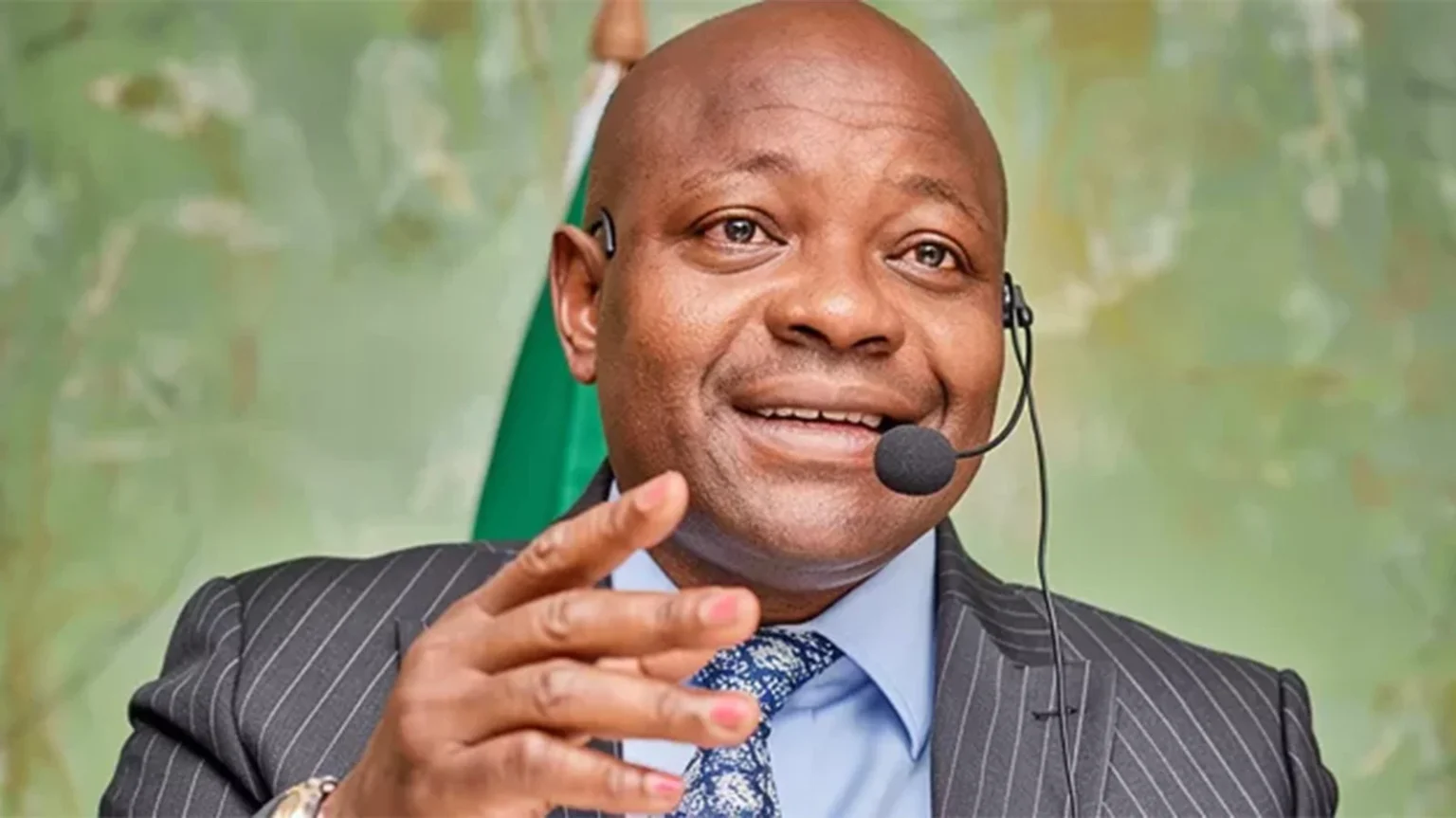
The Director-General of the Department of State Services (DSS), Oluwatosin Ajayi, has instructed personnel of the agency to refrain from arresting individuals over matters that are purely civil.
Ajayi disclosed this during a media interview on Thursday, saying the directive was part of ongoing efforts to strengthen respect for the rule of law and improve the DSS’s human rights practices.
The DSS chief said reforms introduced since he assumed office had focused on five key areas: law enforcement, collaboration with other security agencies, accountability, human rights and administrative and infrastructural improvements.
He explained that the reforms had helped the agency draw a clearer line between civil disputes and criminal offences, noting that the DSS had in the past sometimes treated the two categories alike.
Ajayi stressed that coercive powers should not be deployed to settle civil disagreements.
“You cannot apply the use of force in civil matters. Even some criminal matters don’t require force,” he said.
He cited the case involving political economist, Prof. Pat Utomi, who came under DSS scrutiny over allegations connected to an attempt to establish a “shadow government.”
According to Ajayi, rather than arrest Utomi, the agency sought judicial interpretation of the matter. The court subsequently ruled that the alleged initiative was unconstitutional, illegal and posed a threat to national security.
He also referenced the legal dispute involving the Socio-Economic Rights and Accountability Project (SERAP), which had accused two DSS operatives of invading its premises.
Ajayi said the agency allowed the matter to proceed through the courts without making arrests, adding that the court eventually awarded more than N100 million to SERAP.
The DSS boss further disclosed that he had directed operatives to adopt the same approach in other civil matters, including cases involving journalists.
“I have told my people that there should be no arrest in any civil case,” he said, adding that the agency would prefer judicial remedies where necessary.
Ajayi described journalists as the agency’s “professional colleagues”, explaining that while journalists provide information to the public, the DSS supplies information to government, much of which remains classified until officially declassified.

- No deal to step aside for ADC — Kwankwaso - October 18, 2026
- Presidency dismisses Makinde’s claim of N250bn NLNG dividend per state - October 18, 2026
- After 40 years apart, Fatai Okoya begs billionaire father for forgiveness - October 18, 2026