

Political tensions are rising ahead of the 2027 general elections in Nigeria as opposition leaders push for an immediate review of the Electoral Act 2026, while the Senate insists any amendment must follow legislative procedures.
Leaders of the opposition, including Atiku Abubakar, Peter Obi and Rotimi Amaechi, mounted fresh pressure on the National Assembly, arguing that certain provisions of the new law threaten electoral transparency ahead of the next polls.
The law, recently passed by the legislature and assented to by Bola Ahmed Tinubu, limits political parties to direct primaries and consensus arrangements for candidate selection, removes the option of indirect primaries, shortens campaign timelines, and provides for the release of funding to the Independent National Electoral Commission six months before elections instead of 12.
Speaking at a press conference in Abuja, leaders of the African Democratic Congress and the New Nigeria Peoples Party described the changes as anti-democratic and accused the ruling All Progressives Congress of attempting to gain an advantage ahead of 2027.
NNPP National Chairman Ajuji Ahmed argued that provisions such as the discretion granted to presiding officers under Section 60(3) could weaken the push for real-time electronic transmission of results. Opposition figures cited past comments by former INEC officials, including Mahmud Yakubu and Festus Okoye, to support claims that network limitations should not hinder electronic result transmission.
The opposition also criticised restrictions on party primaries, insisting that the choice of nomination method should remain an internal party matter. They warned that limiting options could undermine party autonomy and transparency.
At the event, Obi linked electoral concerns to broader governance issues, highlighting rising poverty, insecurity and economic hardship, while calling for stronger opposition unity. Amaechi, a former APC presidential aspirant, said the opposition must refine its strategy rather than focus solely on the presidency. Atiku urged opposition parties to work together and even suggested presenting their concerns to foreign missions, warning that democratic decline in Nigeria could have wider regional implications.
Several political figures attended the gathering, including ADC National Chairman David Mark, NNPP chieftain Buba Galadima, former Osun governor Rauf Aregbesola, former Cross River governor Liyel Imoke and Senator Dino Melaye, among others.
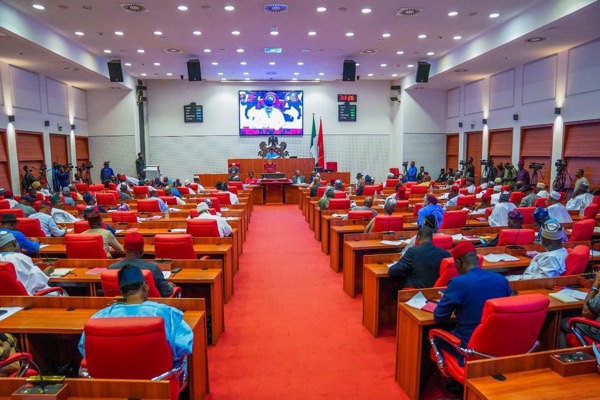
However, the Senate dismissed calls for a fresh amendment. Senate spokesman Yemi Adaramodu said opposition figures should submit proposals through their representatives in the National Assembly rather than escalate political rhetoric.
Similarly, Senator Orji Uzor Kalu maintained that the authority to amend electoral laws rests with the legislature, cautioning opposition leaders against statements that could inflame political tensions. He advised dissatisfied parties to channel their efforts into contesting elections rather than challenging a law that has already received presidential assent.
The exchange highlights an intensifying debate over Nigeria’s electoral framework as political parties begin early positioning ahead of the 2027 elections, with the Electoral Act emerging as a central issue shaping the country’s evolving political landscape.

- Why opposition leaders are angry over 2026 Electoral Act — APC - February 27, 2026
- Kano recovers govt cars from ex-commissioners - February 27, 2026
- Cement price surge hits N11,000 - February 27, 2026