

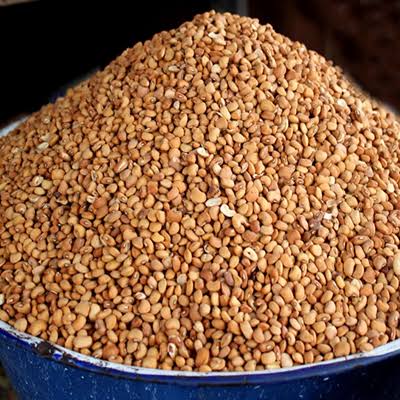

Nigeria’s agricultural sector loses an estimated $362.5–$363 million yearly due to the prolonged European Union (EU) ban on its dried beans exports, stakeholders revealed at the National Summit on Agroecology and Public-Private Partnerships in Lagos.
The EU ban, first imposed in 2015 and repeatedly extended, was triggered by high levels of the pesticide Dichlorvos (DDVP) in exported beans, far exceeding EU safety limits. DDVP, banned in the EU since 2006, is still widely used by local farmers to protect beans from pests.
Muhammad Rili, General Manager of the Kaduna Agricultural Development Agency (KADA), warned that continued use of hazardous pesticides exposes farmers and consumers to acute and chronic health risks.
Studies show developing countries use only 25% of global chemical pesticides but account for 99% of pesticide-related deaths, with symptoms including respiratory problems, nausea, headaches, skin rashes, and eye issues.
The summit also critiqued Nigeria’s 2025 budget allocations for agroecology, biodiversity, and climate resilience, noting that major funds were concentrated in the Presidency and the Office of the Secretary to the Government rather than relevant ministries.
Stakeholders called for increased budgetary support for agroecology, extension services, and timely fund disbursement to boost food production, reduce hunger, and achieve food security.
Experts further urged the preservation and promotion of Nigeria’s indigenous seeds, seedlings, and livestock through community seed banks, participatory breeding programs, and enhanced agro-biodiversity initiatives.
The summit recommended strategic public investments to raise agricultural GDP to at least 6%, prioritising extension services, access to credit, women and youth in agriculture, labor-saving technologies, post-harvest loss reduction, climate-resilient sustainable agriculture, irrigation, research and development, and effective monitoring and coordination.

- Wike plans infrastructure for new Waru-Pozema District - March 12, 2026
- NiMet warns of rising meningitis risk in Sokoto, Zamfara, Kebbi, others - March 12, 2026
- ISWAP names Abu Ameer as Pulka camp leader after commander’s death - March 12, 2026