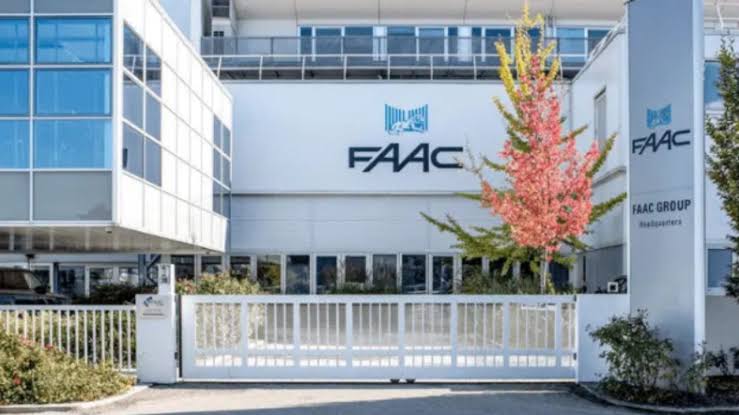

The Nigerian military and paramilitary agencies received a total of N2.3tn in special intervention funding between October 2023 and September 2025, according to new Federation Account Allocation Committee (FAAC) documents.
The records, sourced from the Office of the Accountant-General of the Federation, show that the funds were disbursed in 23 equal tranches of N100bn each under the “Ledger of Special Intervention Programme for Nigerian Military,” with every inflow immediately followed by a corresponding outflow, leaving no balances after payments.
The ledger began with a N100bn brought-forward balance on October 19, 2023, followed by the first transfer—described as “Transfer from September, 2023 Allocation”—which was paid out on November 8, 2023.
Nine more tranches were released and disbursed in similar fashion until July 2024, completing the first phase and totalling N1tn.
A second phase commenced with another series of N100bn releases beginning in August 2024. Ten tranches were recorded between August 2024 and May 2025, all disbursed within days of receipt, bringing another N1tn to the security sector.
By the end of this phase in June 2025, the cumulative amount disbursed under the special intervention programme had reached N2tn.
The third phase, which began in June 2025, saw three additional tranches released from May, June, and July 2025 allocations. Each N100bn inflow was transferred out almost immediately, adding N300bn and bringing the total special intervention funding to N2.3tn.
The documents did not disclose how the funds were apportioned among the armed forces and paramilitary agencies, nor did they specify the operations, projects or expenditure categories financed with the money.
They nevertheless show a continuous funding line running across nearly two years, separate from regular FAAC allocations.
In a related set of records, the Federal Government released N450bn as non-regular allowances for the military and paramilitary agencies over a three-month period in 2025.
The funds—sourced from non-oil revenue—were paid in three tranches of N150bn each for April, May and June 2025 and were fully transferred to the sub-recurrent account shortly after receipt.
The documents also revealed that N40bn was provided to the Office of the National Security Adviser in September 2025 as the first tranche of security funding for August 2025.
As with other intervention funds, the amount was transferred in full on the same day it was disbursed.
These disclosures come as insecurity continues to weigh heavily on business operations nationwide. The Central Bank of Nigeria’s Business Expectations Survey for February 2026 ranked insecurity as the leading constraint facing firms with an index score of 71.1, ahead of high or multiple taxes at 70.7 and insufficient power supply at 70.0.
The CBN report noted that insecurity, high interest rates and bank charges pose significant obstacles to operational stability and profitability, reinforcing concerns that despite large-scale government funding, security challenges remain the most pressing threat to economic activity and investment in the country.

- Police ban mining, night grazing in Plateau - April 4, 2026
- I’ll support whoever emerges ADC presidential candidate — Atiku - April 4, 2026
- Wike’s aide explains minister’s ‘shoot’ remark, says no threat to TV anchor - April 4, 2026