The Federal Government of Nigeria says it may adjust economic policies if necessary as escalating tensions in the Middle East threaten to trigger fresh shocks to Nigeria’s economy through energy prices, capital flows and global supply chains.
In a statement issued on Tuesday by Uloma Amadi, Assistant Director of Information and Public Relations at the Federal Ministry of Finance, the government said it is closely monitoring the situation and is ready to recalibrate policies to safeguard economic stability.
“The Federal Government will continue to monitor the situation closely and adjust policy measures where necessary to minimise disruptions, sustain investor confidence and protect the welfare of Nigerians,” the statement said.
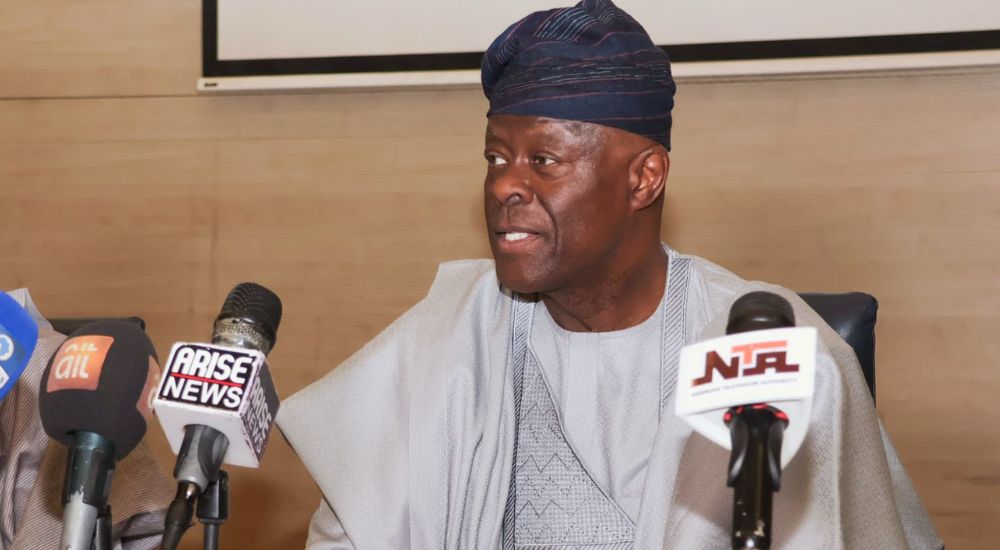
According to the ministry, the Economic Management Team, chaired by the Minister of Finance and Coordinating Minister of the Economy, Wale Edun, has begun reviewing the potential economic consequences of the crisis involving the United States, Israel and Iran.
Officials noted that rising geopolitical tensions could disrupt global energy supply routes, particularly the Strait of Hormuz, increasing volatility in crude oil prices and financial markets.
The government identified three main channels through which the conflict could affect Nigeria. The first is volatility in global oil and gas markets, which could drive higher domestic prices for fuel, diesel, cooking gas and fertiliser.
The second involves financial markets and capital flows, as increased geopolitical risk could reduce investment inflows into emerging economies like Nigeria. The third relates to disruptions in global logistics and supply chains, which may raise freight costs and push up prices of goods domestically.
Officials warned that prolonged instability in the region could worsen inflationary pressures and increase the cost of living if global commodity prices remain elevated.
Despite the risks, the government said Nigeria enters the period of global uncertainty with relatively strong macroeconomic indicators. The country recorded a 4.07 per cent real GDP growth in the fourth quarter of 2025, one of its strongest quarterly performances in more than a decade.
However, the government acknowledged that rising fuel prices—reportedly nearing N1,300 per litre in parts of the country—could increase business operating costs and potentially fuel further inflation.
The Federal Government said it remains committed to monitoring developments and taking necessary steps to maintain economic stability and sustain growth amid global uncertainty.

- FG halts petrol imports as Dangote dominates fuel supply - March 11, 2026
- FG considers policy adjustments as Middle East tensions threaten Nigeria’s economy - March 11, 2026
- CBN extends AML compliance deadline for banks - March 11, 2026