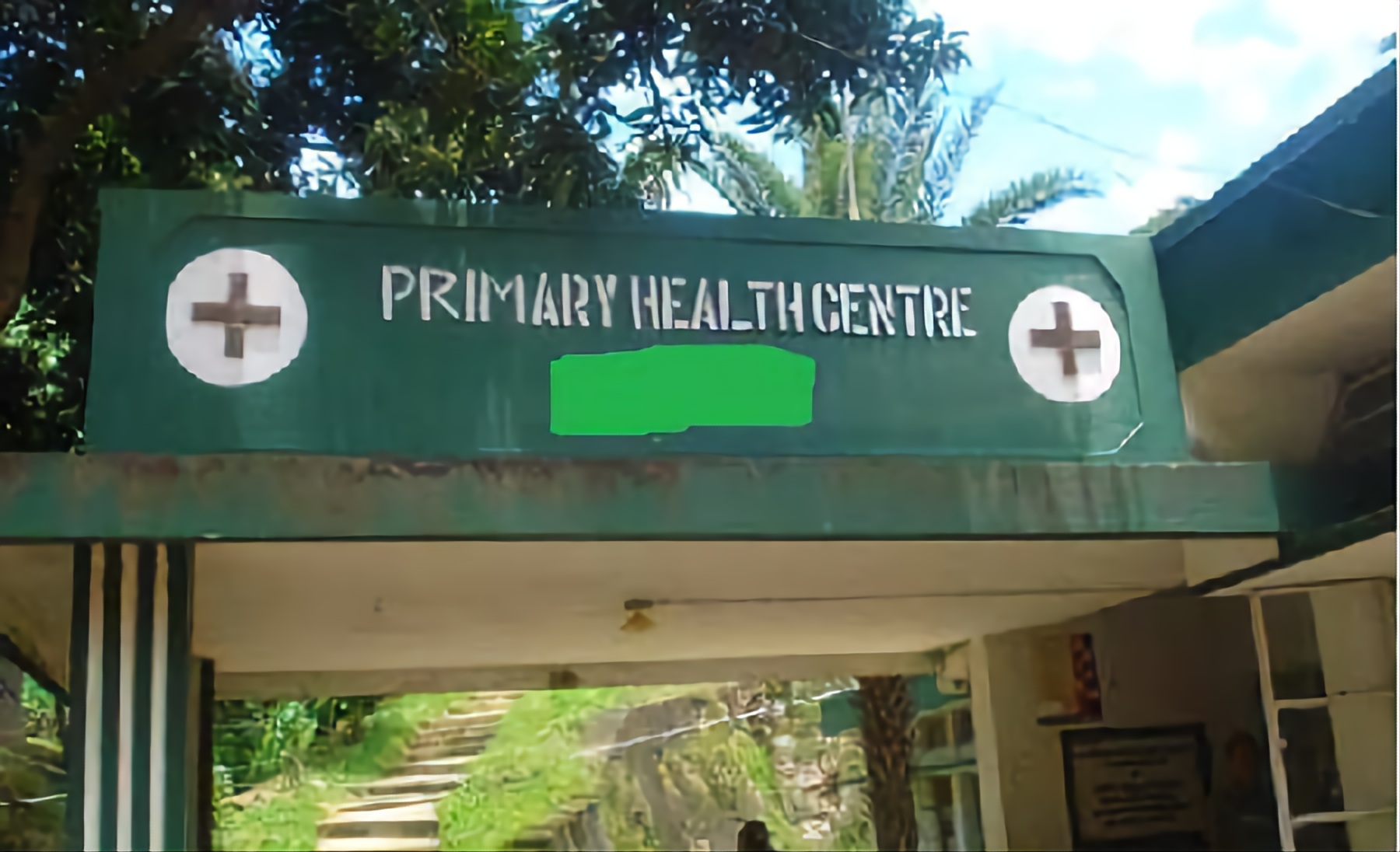

The Federal Government has disbursed over ₦192 billion to strengthen primary healthcare facilities nationwide through the Basic Health Care Provision Fund (BHCPF) since 2019.
Dr. Muyi Aina, Executive Director of the National Primary Health Care Development Agency (NPHCDA), disclosed this during an interview with the Newsmen on the sidelines of the National Health Financing Policy Dialogue in Abuja.
The dialogue, themed “Reimagining the Future of Health Financing in Nigeria”, was organised by the National Health Insurance Authority (NHIA) and its partners to explore sustainable and equitable health financing models.
Aina said the government has mobilised ₦3.5 billion through the Sector-Wide Approach (SWAp) and the Health Sector Renewal Investment Initiative, with 60 per cent pooled from the BHCPF, Global Fund, Gavi and PEPFAR. He noted that 8,309 facilities now receive quarterly allocations under the BHCPF, recently scaled up from about ₦300,000 to between ₦600,000 and ₦800,000 depending on facility size and patient load.
“The reform, tagged BHCPF 2.0, is aimed at meeting real operational costs, including staff salaries, essential medicines and infrastructure,” Aina explained.
Despite increased allocations, he said rising service costs, currency fluctuations and high out-of-pocket spending continue to burden Nigeria’s health system, with the public sector accounting for just 14 per cent of total expenditure.
To improve accountability, the government is set to roll out a direct funding mechanism nationwide, ensuring payments for commodities and salaries go directly into designated accounts.
This model, already piloted in some states, seeks to reduce leakages and enhance transparency.
Aina also raised concerns over vaccine accountability, revealing that between 15 and 25 per cent of non-campaign vaccines cannot be traced due to wastage, inaccurate population data, procurement inefficiencies or weak management systems. Some states were found to consume up to four times more vaccines than their reported coverage rates.
“States must now go down to the local government level to identify gaps and fix them,” he stressed, adding that efficiency measures have cut Nigeria’s five-year vaccine procurement costs from $1.5 billion to $1 billion.
He reaffirmed the Federal Government’s commitment to closing financing gaps through stronger co-financing at all levels of government, backed by performance-based accountability measures.

- NDPC to content creators: Stop filming citizens without consent - March 13, 2026
- Teen accidentally shoots friend dead with father’s gun in Niger - March 13, 2026
- NUC reconstitutes committee to tackle illegal universities - March 13, 2026