
The Federal Government has pushed back against a United States travel advisory that ordered the evacuation of non-emergency embassy staff from Abuja, insisting that Nigeria remains stable and open for business.
The US Department of State, on April 8, 2026, authorised the departure of non-emergency government employees and their families from the US Embassy in Abuja, citing a deteriorating security situation. It also suspended visa appointments at the Abuja embassy, though consular operations in Lagos continue.
In an updated advisory, Washington maintained Nigeria’s overall travel status at “Level 3: Reconsider Travel,” while upgrading 23 states to “Level 4: Do Not Travel.” States affected include Borno, Yobe, Kogi, Kwara, Niger, Plateau, Taraba, Jigawa, and northern Adamawa in the north, as well as Abia, Anambra, Bayelsa, Delta, Enugu, Imo, and Rivers — excluding Port Harcourt — in the south.
The advisory cited widespread violent crime, terrorism, kidnapping, civil unrest, and inadequate healthcare as major concerns, warning that US citizens are frequently targeted as high-value victims.
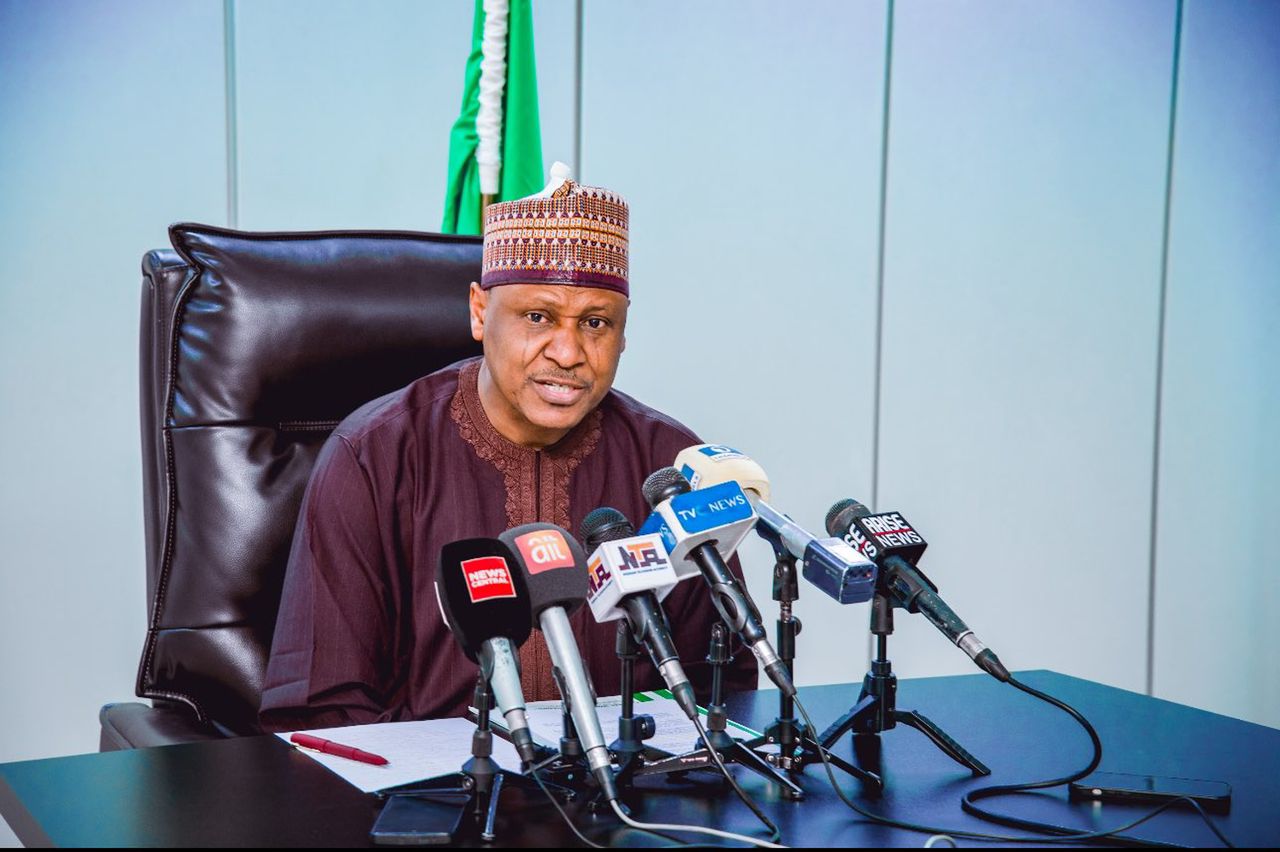
Responding, Minister of Information Mohammed Idris said the advisory did not reflect conditions across the country and described the US action as a routine internal precaution rather than evidence of nationwide insecurity.
“While we acknowledge isolated security challenges in some areas, there is no general breakdown of law and order, and the vast majority of the country remains stable,” Idris said.
The minister pointed to ongoing military operations and inter-agency security efforts as evidence of measurable progress and urged international partners to engage Nigerian authorities directly for a more accurate picture.
This is not the first such advisory. In October 2022, the US similarly ordered the departure of embassy staff from Abuja following warnings of heightened terrorist attack risks in the capital.

- FG dismisses US security advisory, insists Nigeria is safe - April 10, 2026
- Commissioner urges Northern states to replicate Kaduna’s education reforms - April 10, 2026
- Wike announces N500m support fund for late Senator Mpigi’s family - April 9, 2026