


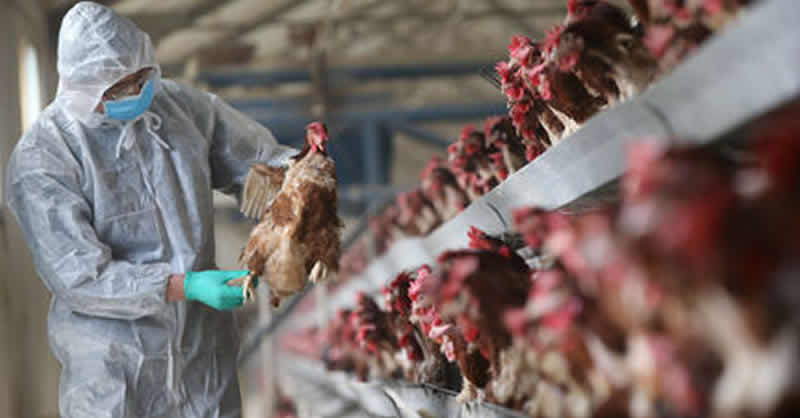
The Federal Government, in partnership with the Food and Agriculture Organization, has launched a $350,000 project aimed at strengthening Nigeria’s preparedness, detection and response to Highly Pathogenic Avian Influenza (HPAI), commonly known as bird flu.
The initiative, unveiled under the FAO Technical Cooperation Programme, will train 240 animal health personnel over the next nine months while enhancing disease surveillance, laboratory diagnostics, biosecurity measures and rapid response mechanisms.
Speaking at the project inauguration, Minister of Livestock Development, Idi Maiha, described avian influenza as a major threat to Nigeria’s poultry industry, food security and international trade.
He noted that the disease has remained a recurring challenge since it first appeared in Nigeria in 2006, with outbreaks continuing to affect poultry farmers across the country.
The ministry said Nigeria recorded confirmed outbreaks of bird flu in Kebbi, Kano, Katsina, Plateau and Bauchi states in 2026, highlighting the need for stronger preventive measures.
Permanent Secretary of the ministry, Chinyere Akujobi, represented by Chief Veterinary Officer of Nigeria, Samuel Anzaku, said the disease continues to cause significant economic losses, particularly among layer farms.
FAO Representative, Otto Muhinda, said the project would strengthen Nigeria’s capacity for early detection and rapid response to outbreaks while supporting the development of predictive tools to reduce future risks.
The intervention will be implemented in seven pilot states and is expected to improve coordination among stakeholders under the One Health framework, which integrates human, animal and environmental health approaches to disease control.

- ‘One hell of a beautiful ass’: Trump compliments Nicki Minaj backside - October 26, 2026
- 2027: NDC accuses APC of N1bn waste on Prado SUVs for youth leaders - October 26, 2026
- Herdsmen demand 30% of agric budget, protection for 417 grazing reserves - October 26, 2026