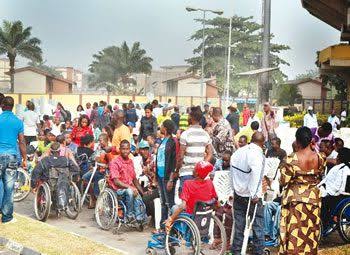

The Federal Government, in partnership with Jobberman Nigeria and the Mastercard Foundation, is advocating for increased job quotas for Persons with Disabilities (PWDs) in the private sector to promote inclusion and economic contribution from marginalized communities.
The call was made during a roundtable on “Technology and Employment Inclusion in Marginalised Contexts,” held in Abuja under the Mastercard Foundation’s Young Nigeria Works programme and convened by Jobberman Nigeria.
In his keynote address, Mohammed Abba Isa, Senior Special Assistant to the President on Special Needs and Equal Opportunities, urged stakeholders to implement a minimum 5% job quota for PWDs in both public and private institutions. He also advocated for an urgent amendment to the National Disability Act to mandate this quota in the private sector.
“No qualified person with a disability should be excluded from contributing meaningfully to our economy,” Isa emphasized, adding that equitable access to digital opportunities would bring justice and fairness to Nigeria’s workforce.
The event gathered representatives from government, civil society, tech platforms, and development organisations to explore systemic barriers and solutions for improving employment access for PWDs, internally displaced persons (IDPs), and women in underserved areas.
Hilda Kabushenga, CEO of The African Talent Company (parent firm of Jobberman), called on the government to incentivize private-sector disability inclusion through tax benefits. “Technology must be a tool for inclusion, not division,” she said.
Rosy Fynn, Mastercard Foundation’s Nigeria Country Director, reaffirmed the Foundation’s commitment to enabling 30 million young Africans—especially women—to secure dignified employment by 2030. “Inclusion is not a side conversation. It is the main agenda,” she said.
A major highlight of the roundtable was the release and validation of a research report titled “Technology and Employment Inclusion in Marginalised Contexts.” The study examined how digital platforms—including job boards, gig work apps, and social media—can be leveraged to improve access to work for vulnerable populations.
Key findings revealed that 87% of employers do not currently recruit from marginalized groups, with 72% making no effort toward inclusive hiring. Despite this, many PWDs and displaced women are engaging in self-employment, particularly in the creative and agricultural sectors.
The report also highlighted persistent barriers such as poor digital literacy, unaffordable data, transport challenges, and widespread workplace bias. Additionally, 85% of schools were found to lack adequate facilities for students with disabilities, further limiting educational and career opportunities.
Breakout sessions during the roundtable focused on practical strategies to bridge the inclusion gap for three main groups: women in disadvantaged communities, PWDs, and IDPs—generating insights to inform future policies and workplace practices.

- UK silence fueled Nigeria persecution debate — Presidency - March 16, 2026
- Trump warns NATO of ‘very bad’ future if allies fail to help reopen Hormuz - March 16, 2026
- Police arrest two customs officers over killing of driver in Osun - March 16, 2026