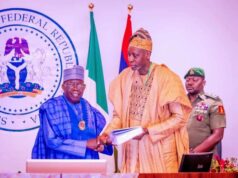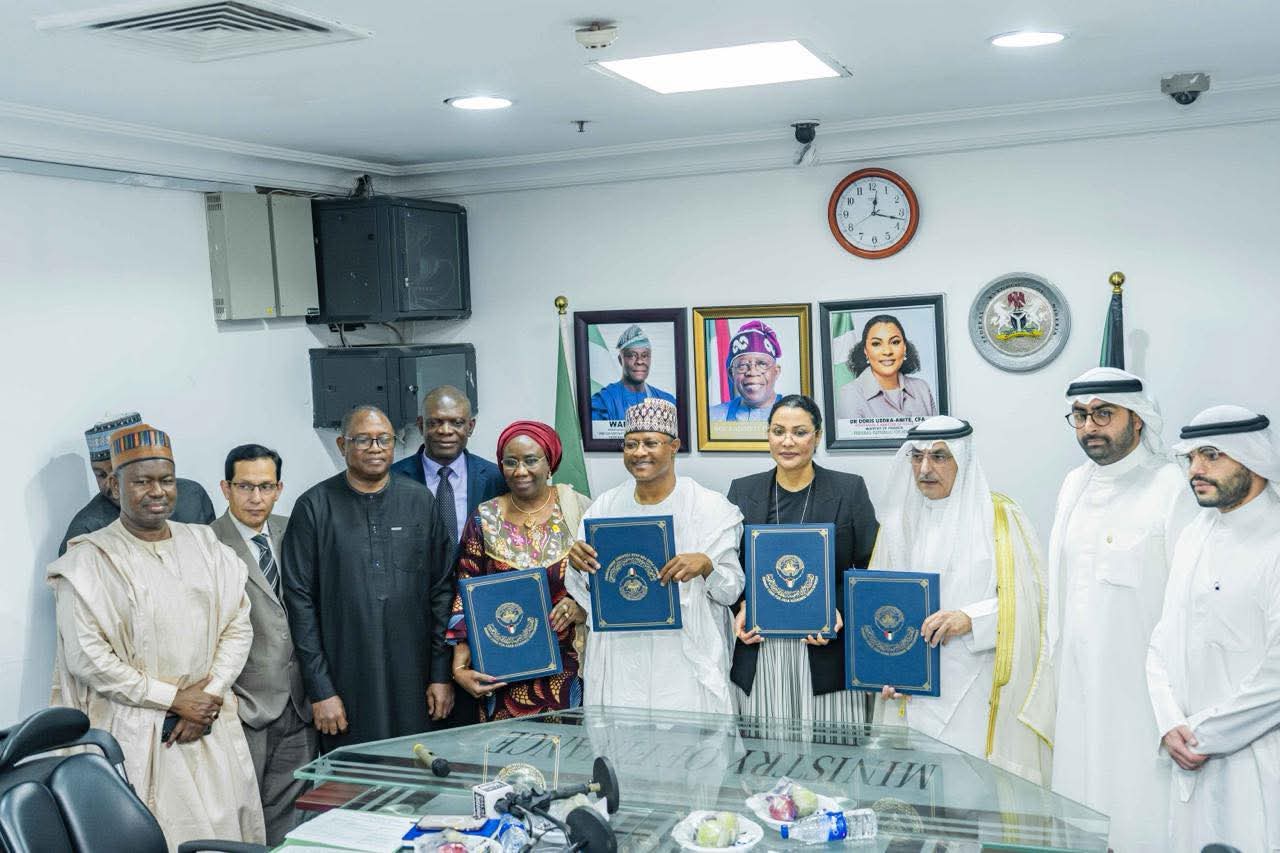
The Federal Government of Nigeria and the Kuwait Fund for Arab Economic Development (KFAED) have signed a $62.8 million Memorandum of Understanding (MoU) to support the Reaching Out-of-School Children (ROOSC) project in Kaduna State—a major step in the fight to reduce the country’s out-of-school population.
This historic agreement, signed in Abuja, marks KFAED’s first-ever intervention in Nigeria and aims to significantly expand access to education for vulnerable children across Kaduna State’s 23 Local Government Areas.
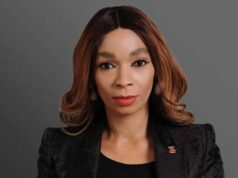
The Honourable Minister of State for Finance, Dr. Doris Uzoka-Anite, signed on behalf of the Federal Government, while the Director General of KFAED, Dr. Waleed Al-Bahar, signed for the Kuwait Fund.
Governor of Kaduna State, Senator Uba Sani, who witnessed the signing, described the development as a transformative milestone for education in Nigeria. He noted that the ROOSC project was designed to reintegrate marginalized children into the formal education system by addressing social, economic, and infrastructure-related barriers to learning.
Governor Sani said Kaduna State had fulfilled 100% of its counterpart funding obligations and is fully committed to the project’s implementation.
He disclosed that the initiative will deliver 102 climate-resilient schools and rehabilitate 170 learning centres, with a strong focus on creating safe and inclusive learning environments for girls, children with disabilities, and internally displaced children.
With more than 18 million children currently out of school in Nigeria, the governor said the ROOSC project is a timely and community-driven response aligned with Sustainable Development Goal 4 (SDG 4) on inclusive and equitable quality education.
The project is being implemented with the support of key international and local partners, including the Islamic Development Bank, Global Partnership for Education, Education Above All Foundation, Save the Children International, and UNICEF.
Governor Sani highlighted the state’s significant investments in education, noting that Kaduna allocated 25% of its 2024 budget and 26.14% of its 2025 budget to the education sector.
Since May 2023, his administration has constructed 60 new secondary schools, built 700 classrooms, renovated over 1,000 classrooms, and slashed tuition fees in state-owned tertiary institutions by 50%.
It has also established three new vocational institutes aligned with the Federal Government’s Technical and Vocational Education and Training (TVET) agenda.
The governor expressed appreciation to the Kuwait Fund, the Federal Ministries of Finance and Education, and all development partners for supporting what he described as a bold step toward delivering quality education for all Nigerian children.
“Kaduna remains fully committed to transparent and accountable implementation of this project,” he assured.

- Tinubu extends Omotayo’s tenure at NIPSS - March 5, 2026
- FG approves N9.99bn for HIV drugs, cancer centres upgrade - March 4, 2026
- FG, GIZ move to enforce solar mini-grid standards - March 4, 2026