The Federal Government has launched a five-year action plan aimed at eliminating child labour in Nigeria by 2030, with stronger labour inspection, child protection, education and social protection measures at the centre of the strategy.
The National Action Plan for the Elimination of Child Labour 2026–2030 was unveiled on Wednesday in Abuja alongside the reviewed National Policy on Child Labour and the 2024 National Child Labour Survey Report.
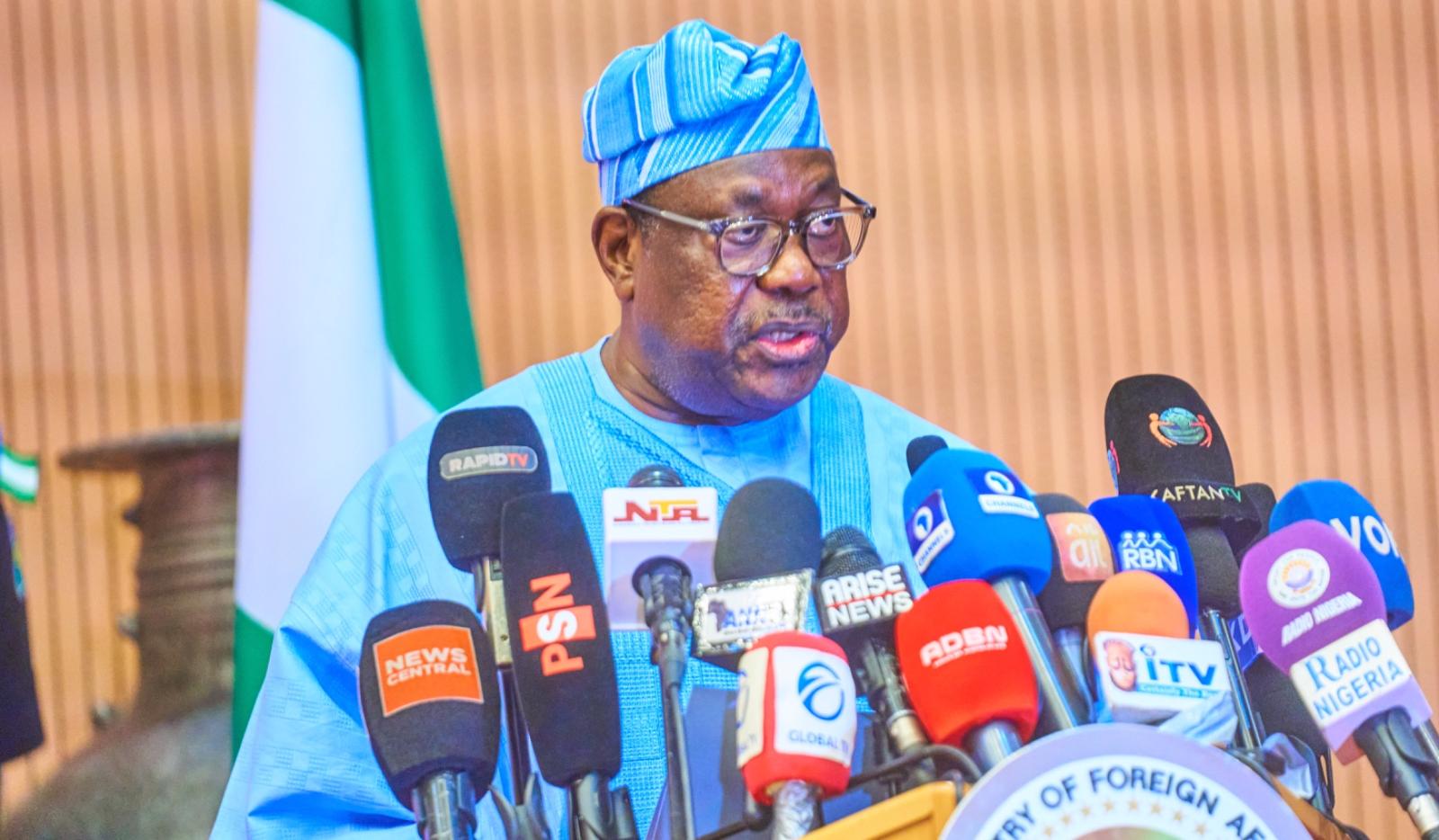
The Secretary to the Government of the Federation, Sen. George Akume, said the government would strengthen labour administration and inspection systems while improving mechanisms for protecting children from exploitation and hazardous work.
“Every child belongs in school, not in hazardous workplaces. Every child deserves protection, not exploitation,” Akume said.
He urged state governments to support implementation of the plan and called on employers to ensure their supply chains were free from child labour.
The SGF also urged parents and guardians to keep children in school, while encouraging workers’ organisations, communities and other stakeholders to promote decent work and social justice.
Akume said the new policy and action plan would help translate Nigeria’s international commitments, particularly Sustainable Development Goal 8.7, into measurable action.
The Minister of Labour and Employment, Dr Muhammad Dingyadi, said child labour remained a challenge to human dignity, social justice and sustainable development.
Dingyadi said findings from the 2024 National Child Labour Survey showed that millions of Nigerian children remained engaged in labour, with many exposed to hazardous conditions.
He identified agriculture, mining, domestic service, street trading and construction among sectors where children face significant risks of exploitation and hazardous work.
The minister said the Federal Government would continue enforcing the Labour Act, Child Rights Act and relevant international labour standards, including International Labour Organisation Conventions 138 and 182.
He said the new framework would focus on prevention, protection, enforcement, rehabilitation and accountability.
“Ending child labour cannot be achieved by government alone. It requires a whole-of-government and whole-of-society approach,” Dingyadi said.
The ILO Country Director for Nigeria, Ghana, Liberia and Sierra Leone, Dr Vanessa Phala, said the dialogue provided an opportunity to move Nigeria’s commitments on child labour from policy to implementation.
Phala identified poverty, vulnerability, inadequate access to education, weak social protection and limited livelihood opportunities as key factors driving child labour.
She called for stronger institutions, accountability and reliable data to track implementation, alongside decent work and economic opportunities that would help families keep children out of the labour market.
“We continue to do our best to make sure that indeed we are moving from commitment to action, that we are moving from talking to actually implementing,” she said.
Phala urged stakeholders to ensure that the new policy and action plan became “living instruments of change” as Nigeria works towards eliminating child labour by 2030.

- Stray bullet injures vendor as police disperse Minna protest - September 18, 2026
- Dangote IPO: Sanusi warns against selling homes for shares - September 18, 2026
- 2027 elections: INEC opens recruitment for 1.4m ad hoc staff - September 18, 2026