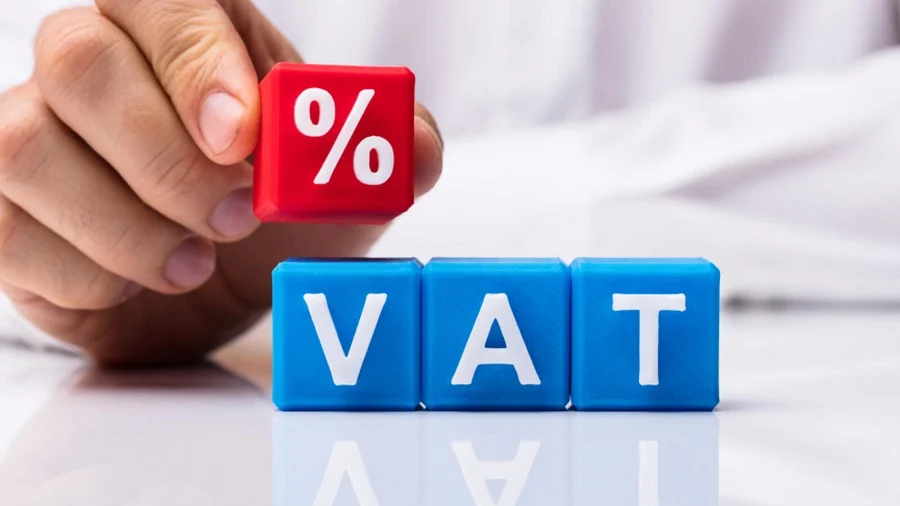
The Nigeria Revenue Service (NRS) has provided answers to a list of Frequently Asked Questions (FAQs) on Value-Added Tax (VAT) as it relates to the tax law. in order to provide further clarity on other areas of concern to Nigerians.
In a statement issued on Thursday, January 15, 2026, and made available to The Star, NRS provides clarifications on VAT. This, the agency said, is to further address public concerns and prevent misunderstanding on VAT
Q1: Is VAT charged on banking services?
Yes, where a fee or commission is charged for a service.
VAT applies to commissions, fees, and charges for services rendered by banks and other financial institutions, such as transfer fees, USSD charges, card issuance fees, account maintenance fees, and similar service charges. This has always been the position under Nigerian VAT law, and was not introduced by the Nigeria Tax Act.
Q2: Does VAT apply to the money I transfer or withdraw?
No. VAT is not charged on the amount of money transferred or withdrawn. It applies only to the service charge or commission imposed by the bank. For example, if a bank charges ₦10 for a transfer, VAT of 7.5% (₦0.75) applies to that ₦10 charge—not to the amount being transferred.
Q3: Is VAT charged on savings account interest or interest on bank deposits?
No. Interest earned on savings accounts, fixed deposits, and similar deposit accounts is not subject to VAT. Interest income is not a supply of goods or services and therefore does not attract VAT under the Nigeria Tax Act, 2025.
Q4: Are basic food items and essential goods subject to VAT?
No. The Nigeria Tax Act expressly exempts basic food items and essential goods from VAT in order to protect consumers and reduce the cost of living. These exemptions are clearly listed under the VAT exemption provisions of the Act.
Q5: Are medical and pharmaceutical products vatable?
No. Essential medical services and pharmaceutical products are VAT-exempt under the Nigeria Tax Act, consistent with longstanding policy to ensure access to healthcare.
Q6: Are educational services subject to VAT?
No. Tuition and core educational services provided by recognised educational institutions are exempt from VAT under the Act.
Q7: What exactly changed recently if VAT is not new?
What changed is compliance and enforcement, not the law. Financial institutions are being reminded of their existing obligation to remit VAT already charged and collected from customers, in line with the Nigeria Tax Act.
Q8: Did the Nigeria Tax Act introduce any new VAT burden on ordinary Nigerians?
No. The Act did not introduce VAT on savings, basic food, medical care, education, or essential consumption. Claims suggesting otherwise are misleading and incorrect.

- EFCC operative testifies in UK trial of Alison-Madueke - February 26, 2026
- Mother, daughter bag 6 months imprisonment for stealing litres of oil - February 26, 2026
- Opposition parties reject new Electoral Act, demand fresh amendment - February 26, 2026