


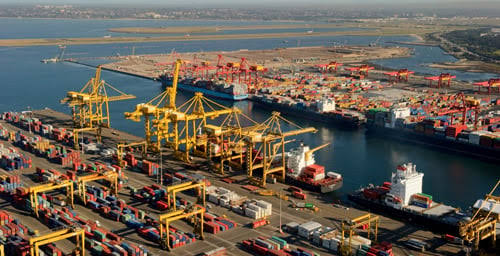
Nigeria’s heavy dependence on imported construction materials—estimated at 70 per cent—is putting the national housing market at significant risk, according to the newly released State of Lagos Housing Market Report.
The report explains that although Nigeria has abundant raw materials, limited local processing capacity means the country continues to rely heavily on foreign supplies.
This dependence makes the housing sector vulnerable to global supply chain disruptions and persistent currency volatility. It noted that such high reliance “exposes the market to global supply chain disruptions and currency volatility.”
To build a more stable and efficient building materials market, the report calls for a broad strategy that includes strengthening local manufacturing capacity, improving supply chain efficiency, ensuring consistent policy reforms, embracing sustainable and innovative construction methods, and encouraging both domestic and foreign investment.
These actions, it emphasizes, are vital not only to stabilise prices but also to reduce Nigeria’s severe housing deficit and support long-term economic development.
Lagos, being Nigeria’s economic powerhouse and most populous city, remains the centre of construction and real estate activity.
Market patterns in Lagos often reflect national trends, making the state’s housing market a key reference point for understanding wider industry developments.
The construction sector in Nigeria continues to grow rapidly, with projections showing an annual expansion rate of eight per cent that may push the industry’s value to ₦25.72 trillion by 2025.
The sector recorded a 12.1 per cent Compound Annual Growth Rate between 2020 and 2024, and estimates suggest it will maintain momentum with a 6.4 per cent CAGR from 2025 to 2029, eventually reaching ₦35.38 trillion by the end of 2029.
This growth is driven by rapid urbanisation, Lagos’ swelling population, and major government investments in infrastructure, including the Lagos Rail Mass Transit and several road expansion projects.
These developments are expected to raise property values and boost demand across the construction sector.
However, the report warns that rising costs of materials, sustained inflation, bureaucratic delays, and expensive financing options continue to pose serious challenges.
It adds that currency fluctuations and recurring supply chain disruptions further strain the sector, making it increasingly difficult for developers to manage costs and meet project timelines.
While the construction industry shows strong potential and growing demand, the report concludes that Nigeria’s progress remains constrained by escalating input costs, which continue to undermine efforts to fully unlock the sector’s opportunities.

- Fire razes 10 shops in Zamfara - March 20, 2026
- Blackouts: FG moves to fix gas supply crisis, promises improved power - March 20, 2026
- Uber reports N6.1bn driver earnings as Lagos strike disrupts ride-hailing - March 20, 2026