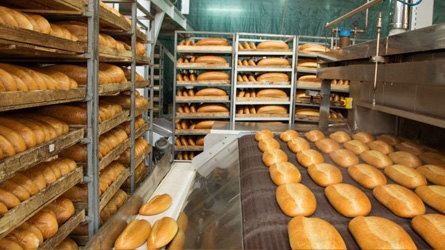
The Premium Breadmakers Association of Nigeria (PBAN) has warned that Nigeria’s food supply chain is under severe strain, revealing that more than 40 per cent of bakeries nationwide have closed between the post-COVID-19 period and 2025.
PBAN President, Emmanuel Onuorah, raised the alarm in Lagos during the PBAN 2025 Day-Out Exhibition & Master Class themed “The Business of Baking: Pathways to Profit, Productivity, and Growth.”
He said the closures stem from worsening insecurity, an increasingly harsh business climate and escalating production costs.

According to him, the number of bakeries registered under PBAN has dropped from over 100,000 after the COVID-19 pandemic to fewer than 60,000 today — a decline he described as alarming.
“We have lost more than 40 per cent of our bakeries in just four years,” Onuorah said.
“Many operators simply cannot survive insecurity, high production costs and the lack of basic support systems.”
Insecurity Deepens Wheat Shortage
Onuorah lamented that insecurity in major agricultural zones, especially the North, continues to cripple Nigeria’s wheat value chain and frustrate ongoing efforts toward backward integration.
Nigeria consumes an estimated 5.1 million metric tonnes of wheat annually, yet produces only about 300,000 metric tonnes.
Attacks on farmers have further widened the supply gap, worsening reliance on imports and exposing bakers to volatile global prices and persistent foreign exchange challenges.
Insecurity, he added, also affects distribution networks, with bakers losing goods, trucks and personnel to attacks or bad roads.
“If you transport bread across the country today, the roads are terrible.
“Trucks fall, goods are lost. Without Goods in Transit insurance, many bakers are ruined,” he said.
“Farmers cannot go to farm. Without security, backward integration is impossible.
“If you fix security, you fix everything.”
Beyond insecurity, the PBAN boss listed high interest rates, soaring energy costs, unstable power supply and multiple taxes as key hurdles pushing operators out of business.
Despite the challenges, Onuorah commended President Bola Tinubu’s decision to remove the 15 per cent wheat import duty and scrap Value Added Tax (VAT) on wheat and grains, noting that the measures helped stabilise bread prices after two turbulent years.
Chairman of the Planning Committee, Mrs. Adijatu Olopade, said the third edition of the PBAN exhibition was designed to help members improve productivity despite the struggling economy.
“The essence is to train both members and non-members on how to make their businesses profitable,” she said.
“In a tough economy like this, knowledge and innovation are essential for survival.”

- Bishops to NAFDAC: Churches can’t detect fake anointing oil - January 25, 2026
- Nigeria’s doctor crisis deepens as workforce falls to 40,000 - January 25, 2026
- UTME registration begins January 26 — JAMB - January 25, 2026