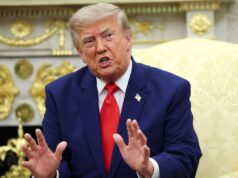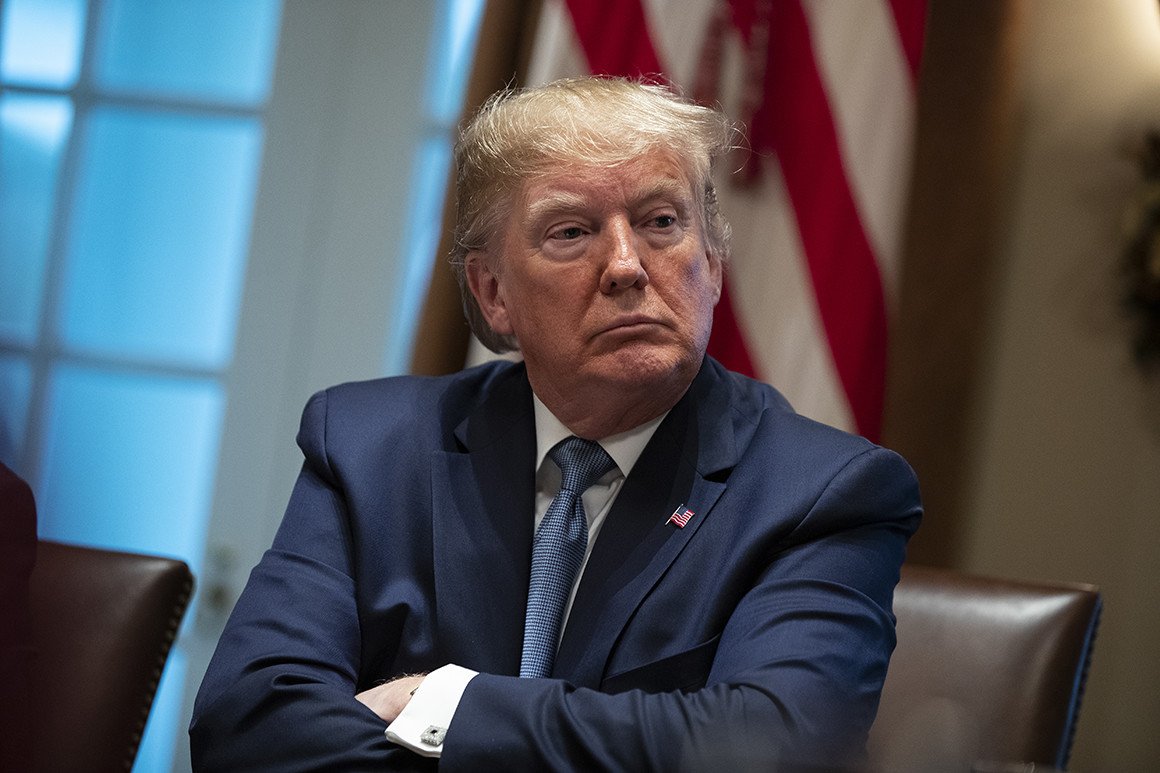
Iran has maintained that negotiations, not military pressure, remain the only route to reopening the Strait of Hormuz after United States President Donald Trump said he had rejected Tehran’s proposal aimed at ending the conflict and restoring shipping through the strategic waterway.
Foreign Minister Abbas Araqchi said on Sunday that Iran’s position had not changed, stressing that the conditions for reopening the strait had already been communicated through diplomatic channels.
“Our conditions are clear, and any move toward reopening the Strait of Hormuz is contingent on these conditions being met,” Araqchi said in a post on social media, adding that “only a negotiated solution can get them out of this deadlock.”
The proposal was unveiled during last week’s United Nations General Assembly in New York and transmitted to Washington through Qatari mediators as part of efforts to de-escalate tensions in the Middle East.
Trump, however, said he had rejected the offer, arguing that Iran was seeking an agreement because it was facing mounting pressure.
“They want to make a deal to open the Hormuz Strait immediately because they’re losing so badly,” Trump told reporters at the White House on Saturday.
Araqchi, however, said Iran had not yet received any formal response through the mediation process despite Trump’s public remarks.
“We are waiting for the mediators to convey the definitive views to us, and we will make a decision based on them,” he said.
The Strait of Hormuz, one of the world’s most important oil transit routes, has remained at the centre of the prolonged confrontation between Tehran and Washington.
Trump rejects Iran’s proposal to reopen Strait of Hormuz
The United States has imposed sweeping economic measures on Iran while accusing it of threatening commercial shipping in the waterway, leading to major disruptions in global maritime traffic.
According to The Wall Street Journal, Trump privately rejected the Iranian initiative because he doubted Tehran would fulfil US demands and believed renewed military strikes could become necessary after the November midterm elections.
Despite the reported rejection, a US official described ongoing indirect contacts through mediators as “positive and constructive.”
Meanwhile, Iran’s army chief, Amir Hatami, warned that Tehran would not tolerate being cut off from international trade while other countries continued to benefit from the region’s strategic shipping lanes.
“If Iran cannot trade, if Iran cannot live, no one will be able to trade or live,” Hatami said.

- Iran dismisses Trump’s stance, says Hormuz’ll reopen via negotiations - September 27, 2026
- NDLEA intercepts N3bn drugs at Lagos airport, nabs Togolese traffickers in Oyo - September 27, 2026
- Europe-bound newlywed man excretes 72 wraps of cocaine at Enugu airport - September 27, 2026