

Iran on Saturday said it was close to reaching an agreement with Oman on a new shipping arrangement through the Strait of Hormuz, but stressed that the deal alone would not be enough to reopen the strategic waterway for normal maritime traffic.
The development comes amid ongoing efforts to restore stability to one of the world’s most important energy corridors following months of conflict that began with United States and Israeli attacks on Iran on February 28. The war prompted Tehran to tighten its control over the Strait of Hormuz, a critical route for global oil exports.
A U.S. official, who spoke on condition of anonymity, told Reuters on Friday that Washington expected Iran and Oman to reach an agreement soon, allowing normal oil shipments through the strait to resume.
Speaking on Saturday, Iranian Foreign Minister Abbas Araqchi said Tehran and Muscat were “very close” to agreeing on a new shipping route but insisted that reopening the waterway depended on additional political and security conditions, including compensation from the United States.
Iran’s Supreme National Security Council Secretary, Mohammad Zolqadr, outlined further demands, including an end to U.S. threats against Iran, a halt to attacks on Iran and its regional allies in Lebanon, Palestine, Yemen, and Iraq, the lifting of sanctions and blockades, and the release of frozen Iranian assets.
Oman, which has been mediating between the parties, condemned what it described as repeated attacks on vessels transiting the Strait of Hormuz without attributing responsibility to any country.
In a statement, Oman’s Foreign Ministry described its negotiations with Iran on shipping arrangements as “positive and constructive” and urged all sides to avoid actions that could undermine the progress achieved.
Oil prices rise over Strait of Hormuz reopening plans
Araqchi also said Iran no longer accepted the previous shipping traffic separation scheme in the strait and was discussing a temporary route with Oman while technical and legal issues surrounding a permanent arrangement were being resolved.
Iranian President Masoud Pezeshkian expressed optimism that the current situation offered the best opportunity to secure an agreement.
“There is cohesion, strength and unity in the country, and as far as I know, Iran is considered victorious and powerful in this war,” Iranian media quoted him as saying.
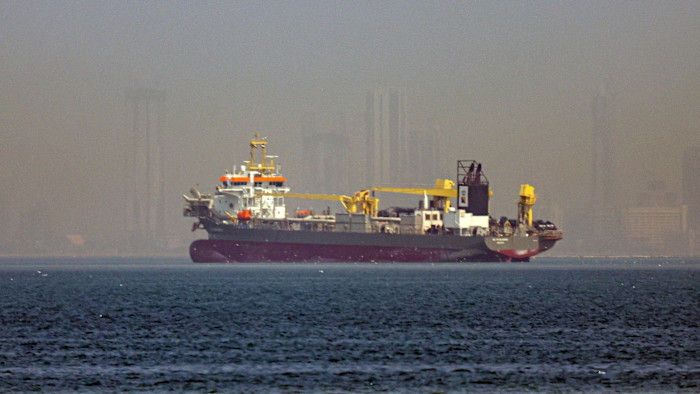
Since the conflict began, Iran has retaliated against the United States by targeting American military bases in Gulf countries and Jordan, while also launching attacks on shipping in the Strait of Hormuz, which previously handled about one-fifth of global oil and gas shipments.
Meanwhile, the United Arab Emirates accused Iran of launching a missile attack on a vessel linked to its state-owned oil company as it transited the Strait of Hormuz. UAE authorities said no injuries were recorded.
The United Kingdom Maritime Trade Operations agency also reported that a vessel caught fire after being struck by an unidentified projectile. The fire was later extinguished, and no environmental damage was reported.

- ‘I wasn’t consulted’: Moghalu rejects appointment to Atiku’s campaign council - September 24, 2026
- Group urges joint action by govt, communities to end Plateau killings - September 24, 2026
- Ogun govt, DP World sign $7bn deal to develop Deep Seaport, Blue Marine SEZ - September 24, 2026