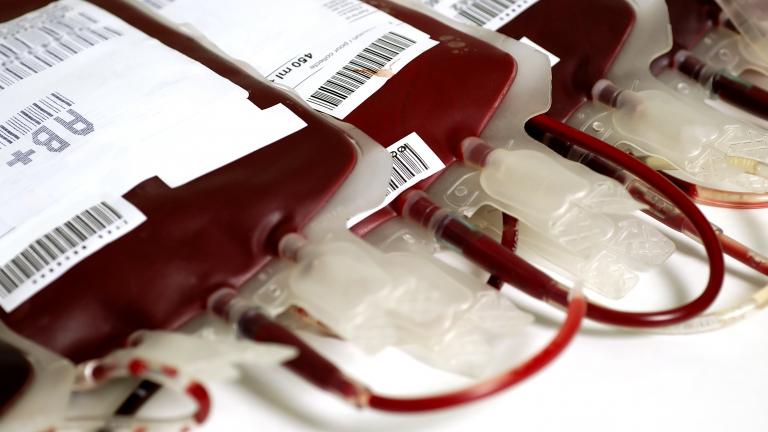
Jehovah’s Witnesses have issued a significant clarification to their long-standing position on blood transfusions, allowing members to decide whether their own blood can be used during medical procedures.
While the religious group continues to prohibit transfusions involving another person’s blood, the updated guidance gives individuals greater discretion over life-saving treatments that involve their own blood.
In a video statement released on Friday, Governing Body member Gerrit Lösch explained that the clarification is intended to respect personal conscience in medical decisions. He noted that although the Bible instructs Christians to abstain from blood, it does not specifically address the use of one’s own blood in modern medical care.

“Regarding the use of one’s own blood, a Christian must decide for himself how it will be handled during surgery, medical tests, or therapy,” Lösch said.
He referenced biblical teachings from the time of Noah and the Mosaic Law, adding that Christians today are not bound by ancient instructions requiring blood to be poured out and covered with dust. According to him, the scriptures do not directly comment on contemporary medical practices involving a patient’s own blood.
Lösch highlighted that many Jehovah’s Witnesses already accept certain procedures that involve their blood, such as laboratory testing, heart-lung machines, cell salvage techniques, and kidney dialysis.
Under the clarified position, members may now choose whether their blood can be removed, stored, and later returned during surgery. He stressed that this decision remains a personal matter of faith, with individuals free to accept or decline such procedures.
“After careful prayer and scriptural consideration, the Governing Body has clarified our position. Some may permit their blood to be stored and reused, while others may object. Each Christian must decide based on personal conviction,” he added.
The development has drawn attention in Nigeria, particularly following the death of a cancer patient and social media personality, Mensah Omolola, known as AuntieEsther, in December 2025. She declined a medically advised blood transfusion due to her beliefs, sparking widespread debate about the balance between religious faith and medical treatment.
Despite misconceptions, Jehovah’s Witnesses maintain that they do not reject healthcare. A 2019 statement emphasized that their stance is rooted in religious doctrine, viewing blood as sacred because it represents life.
Their teachings are based on several biblical passages, including Genesis 9:4, Leviticus 17:10, Deuteronomy 12:23, and Acts 15:28–29, all of which instruct believers to abstain from blood.
Over time, members have embraced alternative medical approaches that align with their beliefs, including bloodless surgical techniques such as cell salvage systems, heart-lung machines, and dialysis, enabling them to receive modern care without compromising their faith.

- Jehovah’s witnesses update doctrine on blood use in care - March 21, 2026
- NIMC warns Nigerians against fake ‘free NIN correction’ portal - March 21, 2026
- US deploys drones, troops to support Nigeria’s counterterrorism operations - March 21, 2026