Lukman Abdulmalik
Tomato farmers in Kano State have recorded losses estimated at over N1.5 billion following a severe outbreak of the Tuta absoluta pest, locally known as “Sharon,” which has devastated farms across major producing areas.
The infestation has hit key farming communities including Bagwai, Shanono, Rogo, Tofa, Bunkure, Kura, Garun Malam, Rano, Kibiya, Tudun Wada and Dawakin Kudu, raising concerns about food supply and rising prices.
The Tomato Growers Association of Nigeria (TOGAN) said the outbreak has repeatedly affected production cycles, but this year’s impact has been particularly severe due to delayed intervention and widespread crop destruction before control measures arrived.
Farmers and stakeholders told THE STAR that pesticides and support from relevant authorities often arrive after the pest has already damaged large portions of crops, worsening losses and reducing yields.
The Kano State House of Assembly has also expressed concern over the situation, warning that continued infestation could worsen food insecurity and further increase tomato prices nationwide.
A report by the Assembly’s Agriculture Committee noted that the pest recurs annually during peak farming seasons, but control efforts remain largely reactive rather than preventive.
Nigeria, which relies heavily on northern states like Kano and Kaduna for tomato production, is already facing a supply deficit worsened by post-harvest losses, weak storage systems, and inadequate processing capacity.
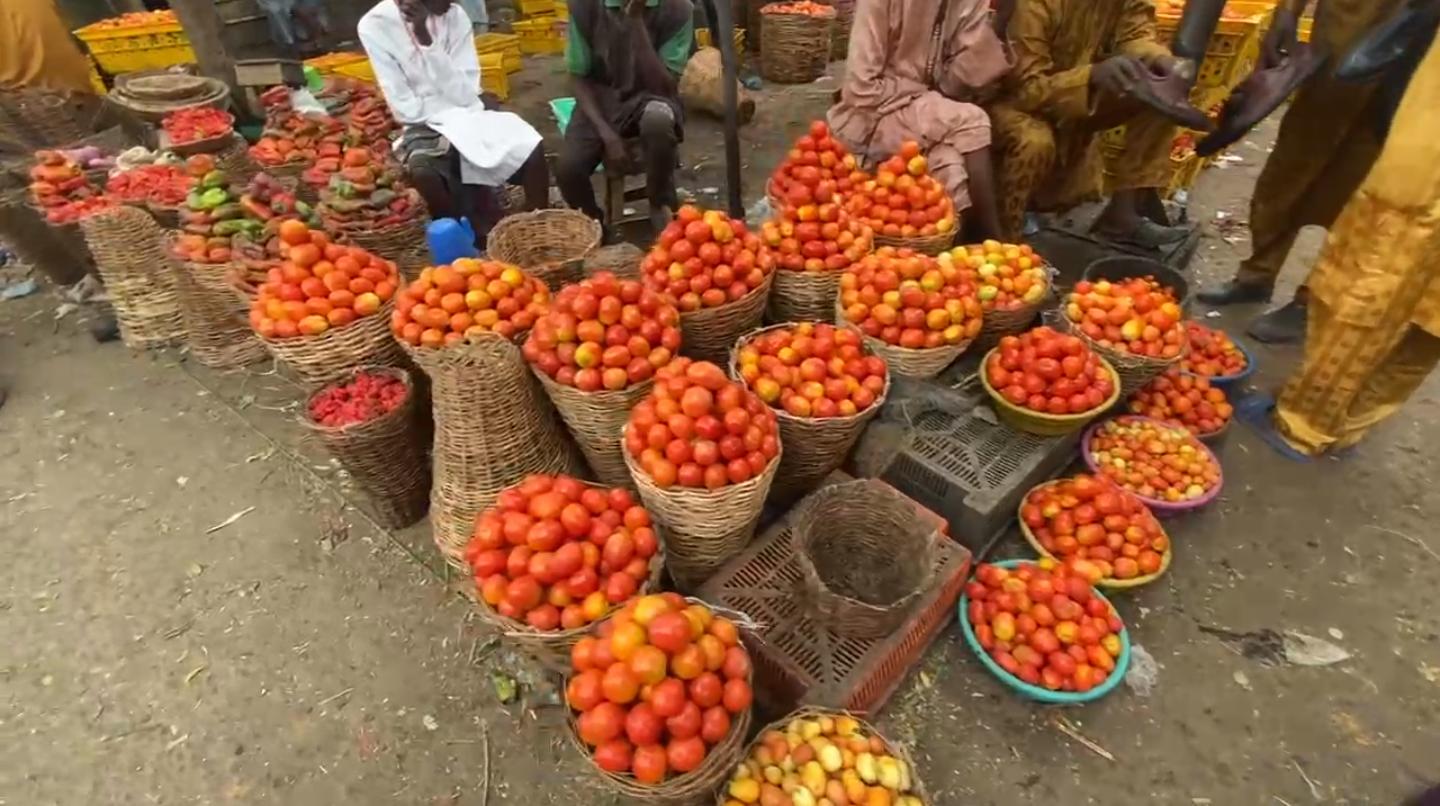
Market observers say the crisis is being felt at major distribution hubs such as Yankaba Market, where reduced supply has pushed up prices and limited consumer purchasing power.
Experts argue that the recurring losses highlight deeper structural problems in Nigeria’s tomato value chain, including poor storage infrastructure, weak pest management systems, and lack of processing facilities close to farming communities.
They called for urgent investment in cold-chain systems, improved extension services, and stronger pest control strategies to reduce annual losses and stabilize supply.
Stakeholders also urged government agencies to adopt proactive measures such as early warning systems, farmer training on integrated pest management, and timely distribution of agricultural inputs.
Despite the interventions proposed, concerns remain that without long-term reforms, Kano’s tomato industry will continue to suffer recurring shocks that threaten both farmers’ incomes and national food security.

- Kano tailor wraps up five-day sewing marathon for Guinness record - October 13, 2026
- Shell to sell Nigerian gas distribution business to Vaaris Energy - October 13, 2026
- Zenith Bank loses N376m to fraud in six months - October 13, 2026