

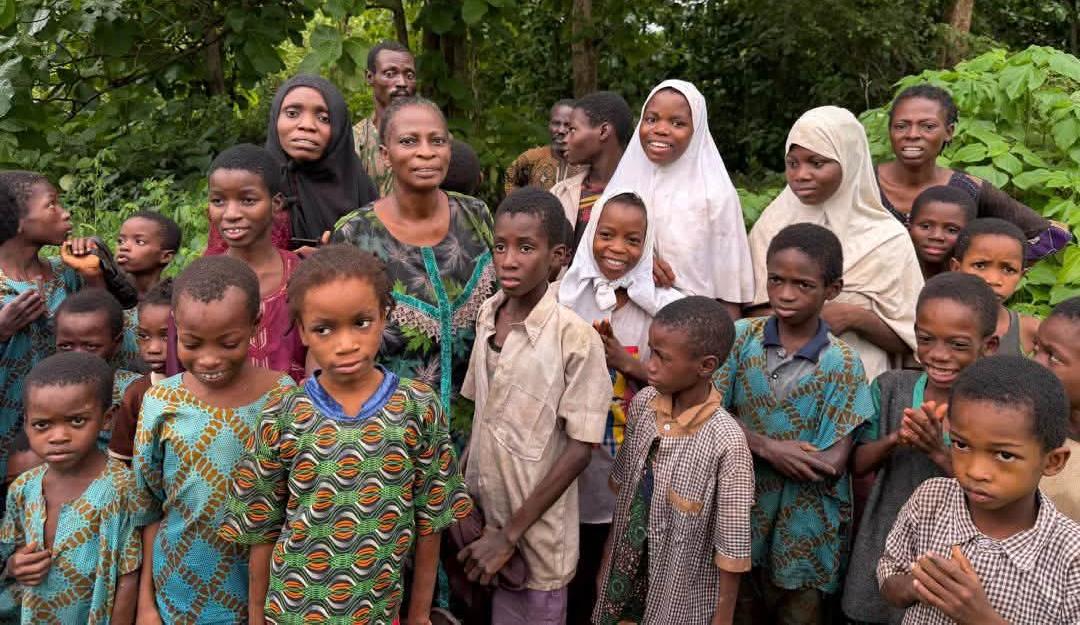
One of the teachers rescued after spending 56 days in captivity in Oyo State, Zacchaeus Olatunde, has claimed that he and the other abductees were released by their kidnappers before security personnel later escorted them home.
Speaking during a telephone interview with Nigeria Info FM on Friday, Olatunde recounted the ordeal of teachers and pupils abducted from schools in Oriire Local Government Area, saying they remained blindfolded throughout their captivity and had no idea where they were being held.
“We didn’t even know whether we were in Nigeria or another country. We were just there, thinking the government had forgotten us,” he said.
According to Olatunde, the abductors spoke Hausa, Nupe, English and Yoruba and identified themselves as members of the Islamic State West Africa Province (ISWAP).
“They said they are not Boko Haram. They said they are ISWAP,” he said, adding that he was the last person abducted and the last to be released.
He said the captives relied on prayers for hope throughout their ordeal.
Describing life in captivity, Olatunde said the kidnappers fed them twice daily with simple meals of rice, beans, onions, margarine and salt but imposed strict restrictions on their religious practices.
He said the captives were initially barred from praying and, when they were eventually allowed to do so after about a month, they were warned not to mention the name of Jesus or pray aloud.
The teacher also disclosed that he and the other teachers were unable to bathe or wash their clothes during the 56 days they spent in captivity.
According to him, their release came unexpectedly when the kidnappers’ commander informed them they were free.
He said he was the last person to leave the camp after a broken handcuff delayed his release, adding that the commander later directed him to follow the path taken by the other captives.
Olatunde claimed the group trekked for nearly an hour before the kidnappers provided motorcycles to take them closer to a nearby village, after which they walked for another one and a half hours until they encountered security personnel.
He said the former captives initially feared the soldiers because they spoke Hausa and arrived in buses without number plates, forcing them to request proof of their identity before agreeing to follow them.
During the journey out of the forest, Olatunde said he helped younger pupils cross rivers, carrying one little girl on his shoulders and using a stick to test the depth of the water before leading others across safely.
He also recalled that he was captured because arthritis in his left leg prevented him from escaping when the attackers stormed the school.
According to him, medication given by the kidnappers unexpectedly relieved the pain in the affected leg.
Despite regaining his freedom, Olatunde said he had yet to receive any financial support from the authorities, stressing that his greatest concern was the welfare of his school.

- ‘We will kill them’: Omo-Agege warns election riggers - October 23, 2026
- Police, DSS deploy intelligence, reinforcements ahead of Plateau 2027 elections - October 23, 2026
- Donald Duke is a jester who needs rehabilitation – Bayelsa Gov - October 23, 2026