The Lagos State Government has announced plans to increase electricity supply to 3,000 megawatts (MW) from the current level of below 1,000MW, by March 2027.
The government said the initiative was part of efforts to end blackouts and build a 24-hour power economy in Lagos State.
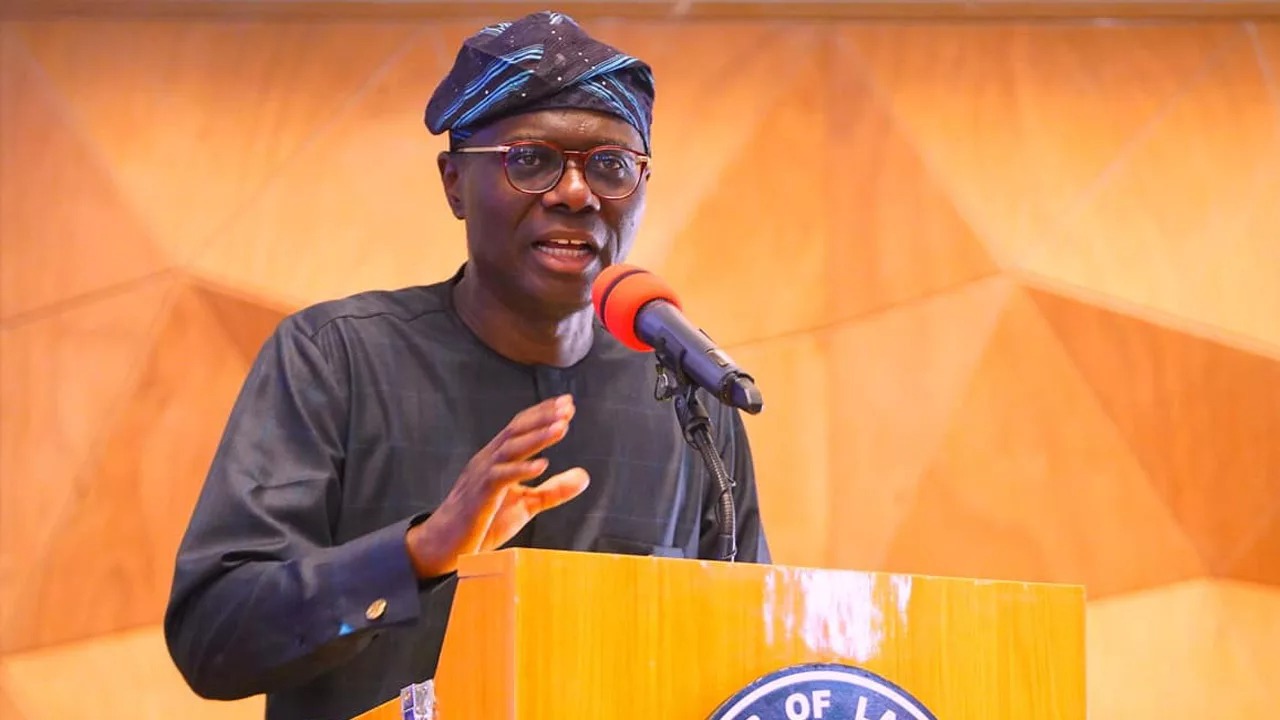
Lagos State Governor Babajide Sanwo-Olu made this known while speaking at the Fourth Lagos Business School (LBS) Africa Energy Conference held at Lekki on Saturday, October 10, 2026.
Sanwo-Olu, who was represented by his deputy, Dr Obafemi Hamzat, said the state was working to mobilise additional 2,000MW through national grid resources, independent power projects, energy hubs, power barges, energy traders, and embedded generation.
The governor said achieving the target would require coordinated improvements across the electricity value chain, including generation, transmission, distribution, gas supply and metering.
He stated: “Lagos needs more power.
“Our immediate objective is to mobilise 2,000MW of additional electricity supply through multiple channels, including additional national grid resources, Lagos independent power projects and energy hubs, excess generation, power barges, energy traders and embedded generation.
“Our ambition is to move from below 1,000MW today to well above 3,000MW by March 2027, while continuing to build towards the larger requirements of the Lagos economy.”
Sanwo-Olu outlined a seven-point action plan to meet the target, saying the action plan includes making Lagos Electricity Market fully functional, increasing electricity generation, strengthening distribution capacity, reinforcing transmission infrastructure, and improving networks and metering.
Power plants utilise 81% capacity in September — NERC
The plan also includes strengthening gas-to-power arrangements, enhancing information technology, and increasing market visibility.
Sanwo-Olu added that the state government was working to strengthen its transmission network, improve substations and distribution feeders, and expand metering coverage to reduce estimated billing and improve service delivery.
The governor added that the government was working to establish clear contractual obligations, improve coordination among electricity market operators and regulators, and create a commercially-viable environment to attract private investment.
He emphasised the importance of reliable gas supply to power plants and deployment of digital systems, including Supervisory Control and Data Acquisition, Advanced Metering Infrastructure and Lagos Electricity Intelligence Platform, to improve monitoring, accountability, and transparency.

- Real Madrid beat Villarreal as Vinicius bags red card for pulling player’s hair - October 11, 2026
- Messi nets brace to win in first Inter Miami match after Argentina exit - October 11, 2026
- Access Holdings, Zenith Bank, UBA lead NGX weekly trading with N50.52bn - October 11, 2026